





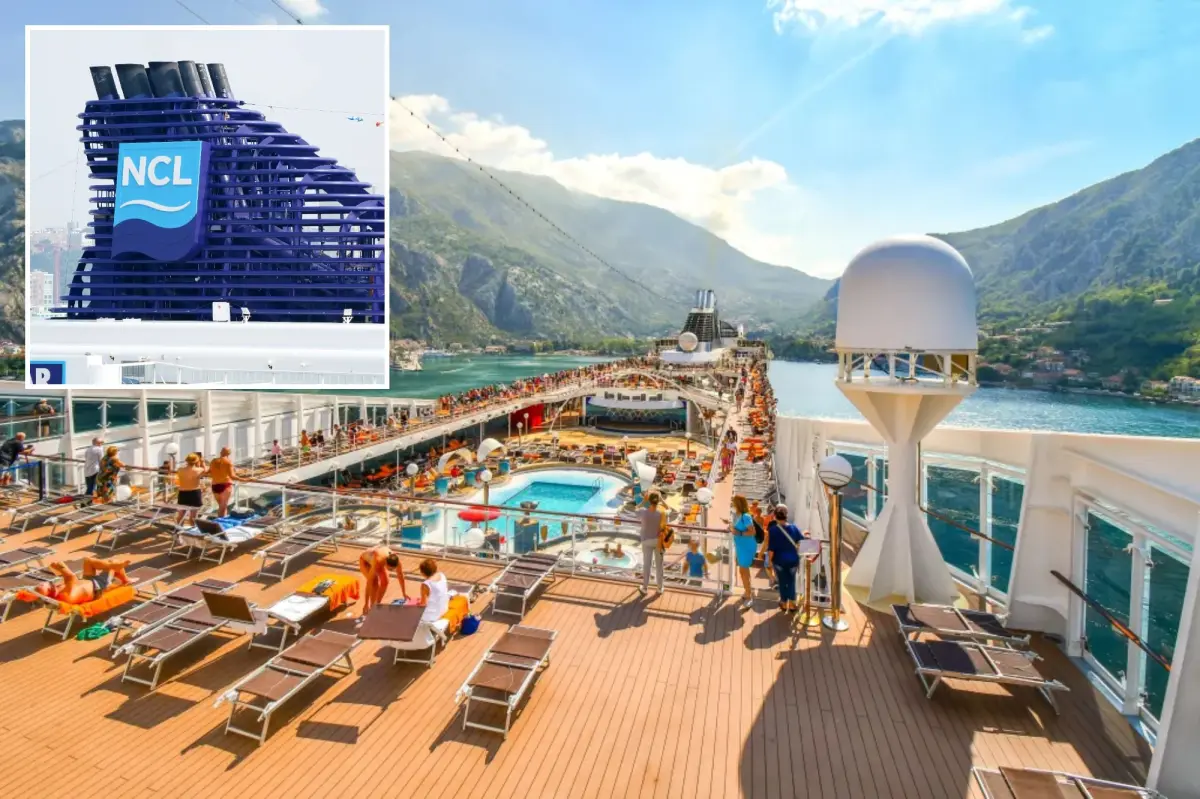
The allure of a cruise vacation has long been anchored in the promise of effortless luxury, gentle ocean breezes, and a serene escape from the relentless demands of daily life. For millions of travelers each year, these massive floating sanctuaries represent the ultimate opportunity to unwind, with visions of sun-drenched afternoons spent lounging by a sparkling pool, a cold drink in hand, and nothing but the unfolding horizon to occupy the mind. However, beneath this picturesque veneer of maritime bliss lies a simmering, decades-old conflict that has quietly plagued the cruise industry and tested the patience of even the most mild-mannered vacationers: the fierce and territorial battle for the poolside lounge chair. This phenomenon, colloquially dubbed “chair hogging” or “pool piracy,” has evolved from a minor nuisance into a highly strategic, early-morning ritual. Armed with an array of mundane personal belongings—brightly colored beach towels, cheap flip-flops, half-read romance novels, sunglasses, and even children’s dolls—enterprising passengers embark on clandestine dawn patrols to claim the prime real estate surrounding the ship’s pools. Once their placeholders are established, these “hogs” often vanish for hours of sleep, breakfast, or shipboard activities, leaving a sea of empty loungers looking occupied but utterly abandoned. This behavior fundamentally disrupts the communal spirit of the vessel, transforming a space meant for shared relaxation into a frustrating landscape of artificial scarcity, where late-risers are forced to wander aimlessly in search of a place to sit. It highlights a fascinating yet disappointing aspect of human psychology, wherein the fear of missing out overrides basic social consideration, turning a peaceful holiday into an anxious game of territory.
The emotional toll of this unspoken war is palpable, creating a tense atmosphere that stands in stark contrast to the carefree environment cruise lines work so hard to cultivate. On online travel forums, social media platforms, and digital communities like Reddit and Facebook, the cruise-going public has long used these spaces to vent their collective frustration, sharing countless tales of disappointment and near-confrontations on the pool deck. The primary source of irritation is not merely the lack of available seating, but the flagrant violation of a shared social contract. Cruisers describe the immense irritation of walking past row after row of pristine, unoccupied loungers baking under the mid-day sun, fully aware that the owners of those towels are likely indulging in a multi-course lunch at the buffet, enjoying a spa treatment, or napping in their air-conditioned staterooms. This lack of consideration breeds a quiet resentment among rule-abiding travelers who actively seek to do the right thing but feel penalized for their politeness. While most passengers unanimously agree that briefly leaving a chair to take a quick dip in the pool, use the restroom, or grab a quick beverage is entirely reasonable and acceptable, the line is crossed when a chair is abandoned for hours. This collective behavior has created a challenging dynamic on board, forcing families and couples to constantly calculate their schedules around chair availability, turning what should be a completely spontaneous vacation into a highly scheduled, defensive operation.
In a bold move to restore peace and order to their outdoor decks, Norwegian Cruise Line (NCL) has recently stepped up enforcement of its long-standing policies, a decision that has sent waves of relief through the travel community. While major cruise lines have almost always maintained official rules stating that pool, deck, and theater chairs may not be reserved, these guidelines have historically been treated as mere suggestions, largely because onboard crew members were hesitant to engage in awkward confrontations with paying guests. However, recent real-world accounts from passengers on vessels like the Norwegian Escape indicate a dramatic and highly organized shift in NCL’s operational approach, with staff actively taking on the role of deck marshals to dismantle the rule-breakers’ strongholds. According to social-media reports, crew members now begin patrolling the pool decks systematically around 10:00 a.m., carefully identifying loungers that are visually “claimed” by personal items but physically unoccupied. Those chairs are then marked with timestamped stickers, starting a countdown clock that directly challenges the authority of the “pool pirates.” If the guests do not return to reclaim their seats within a designated sixty-minute window, the crew members promptly and professionally gather the towels, books, and personal belongings, relocating them to a secure holding area so that waiting passengers can immediately claim the newly freed space. NCL’s official policy, clearly stated on their website alongside rules against topless sunbathing, loud radios, and unauthorized recreational vehicles, is finally being treated as a living document of community standards.
The ripple effect of NCL’s proactive stance has been met with overwhelmingly positive reactions from the cruising public, who are celebrating this shift as a victory for common courtesy and common sense. Across online travel networks, seasoned vacationers have taken to comment sections to voice their enthusiastic support, with many expressing hope that this enforcement represents a turning point in cruise culture. On Instagram and Reddit, terms like “peace at last” have become common refrains as travelers share their relief at witnessing a system that finally holds entitled behavior accountable. By introducing an objective, timestamp-based protocol, NCL has successfully removed the emotional tension and personal bias from the enforcement process, turning a potentially volatile interaction into a routine administrative task. Crew members are no longer forced to guess how long a chair has been empty, and rule-abiding guests no longer have to feel like they are being ignored by ship management. This structural change has not only received widespread praise for its fairness, but it has also elevated the overall guest experience, creating a much more relaxed, equitable environment where everyone has a reasonable chance of enjoying the onboard amenities on their own terms. It proves that clear boundaries, when enforced with consistency and professionalism, actually enhance collective freedom and enjoyment rather than restricting it.
The necessity of such corporate intervention is illustrated by the dramatic, sometimes explosive encounters that occur when passengers are left to police these spaces themselves. In the absence of active staff oversight, the frustration of searching for seat space has occasionally driven vacationers to bypass official channels entirely and implement their own forms of vigilante justice. One passenger on a Norwegian Cruise Line Facebook group recounted a tense moment where her husband stepped in as her “hero,” refusing to let their afternoon be ruined by empty, towel-draped chairs. Choosing to confront the issue directly, he moved a hogger’s left-behind items to the floor behind the loungers, allowing his family to sit down and enjoy the sunshine. When the entitled owners eventually returned to claim their spot, he calmly stood his ground, reminding them that they knew the rules and that behaving in such a selfish manner was worse than a toddler throwing a tantrum. While some community members applauded this direct approach, others expressed deep discomfort, noting that touching a stranger’s personal belongings is a social taboo that can easily escalate into physical altercations. This divide underscores the profound social friction that occurs when basic manners break down in public spaces; without a trusted authority figure to step in and manage the resource fairly, passengers are left to choose between passive capitulation or uncomfortable confrontation, proving why NCL’s active, crew-led system is so vital to maintaining safety down the line.
Ultimately, the battle of the pool deck serves as a miniature portrait of a much larger challenge facing the modern hospitality industry: the delicate task of managing thousands of diverse individuals sharing confined, high-value public spaces. As cruise ships continue to evolve into staggering engineering marvels carrying upwards of five thousand passengers, the physical space allocated for relaxation must be shared with a heightened degree of mutual respect and structural organization. Norwegian Cruise Line’s decision to aggressively enforce its chair-hogging policies represents a crucial, forward-thinking step toward a culture of collective hospitality, sending a strong message that individual selfishness will no longer be tolerated at the expense of the community. By establishing a fair, transparent, and consistent system of stewardship on their pool decks, NCL is showing that true customer service lies in protecting the rights of the many over the demands of the noisy, entitled few. As other major cruise operations closely monitor the widespread acclaim and operational success resulting from NCL’s efforts on ships like the Norwegian Escape, it is highly likely that this systematic approach will soon become the universal gold standard across the travel industry. By transforming the pool deck from a lawless wild-west of towel-claiming back into a peaceful haven of shared relaxation, NCL is paving the way for a more harmonious, humanized vacation experience where everyone has a fair place in the sun.