






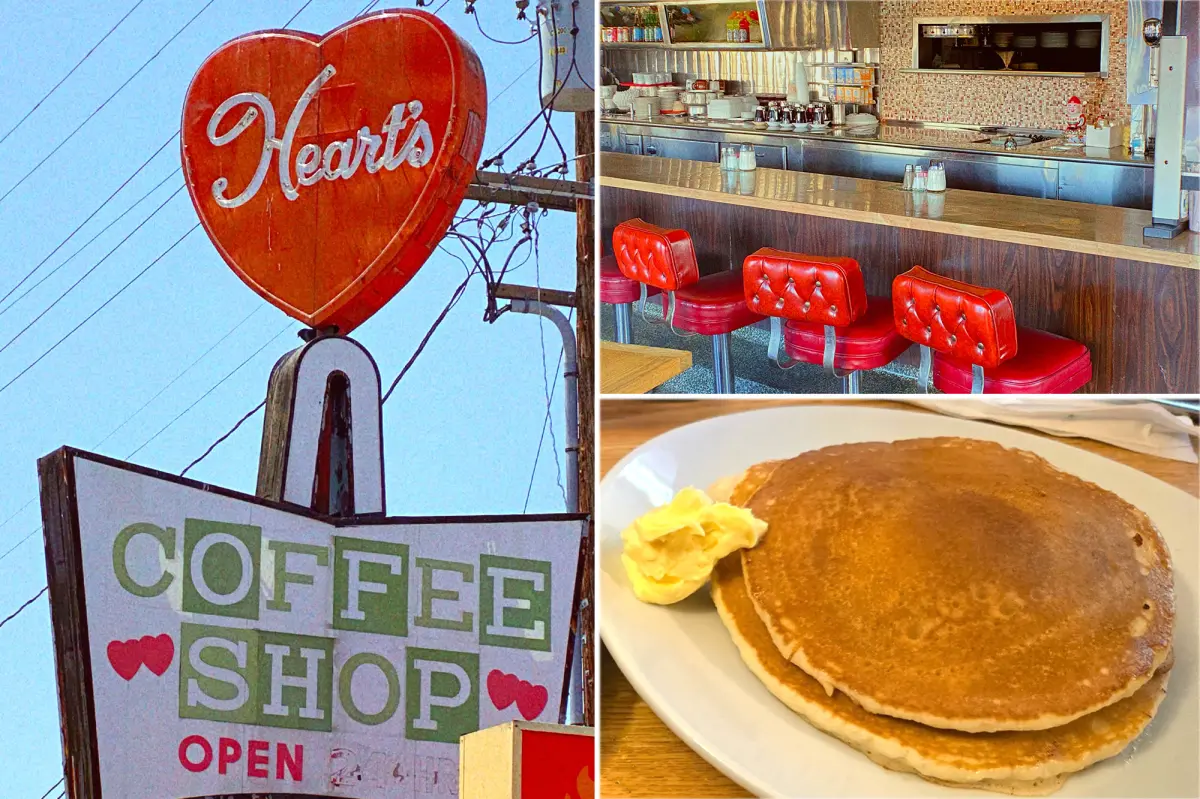
The sprawling, sun-baked landscape of Southern California’s San Fernando Valley is an urban environment defined by its rapid, relentless, and often uncompromising cycles of reinvention, where historic architectural gems and beloved neighborhood landmarks are frequently swept away to make room for modern, sleek developments. Amid this constantly shifting terrain, nestled quietly in the heart of Van Nuys, Heart’s Coffee Shop stood as a remarkable, defiant exception to the rule, serving as an unwavering anchor of community life and social stability for nearly fifty years. Opened in the vibrant, nostalgic cultural landscape of 1977, this beloved, family-owned establishment was far more than just a typical suburban diner; it was a sanctuary of comfort, a living repository of neighborhood memories, and a vital social hub where the frantic rush of time seemed to slow down to a peaceful murmur. When the shocking and heartbreaking announcement recently broke to the public that this iconic diner would be permanently shutting its doors on August 9, a profound wave of collective grief, nostalgia, and disbelief swept through the local community, as if a vital piece of the neighborhood’s very soul was being pulled away. For decades, multiple generations of regulars, daily working-class commuters, and curious travelers had walked through its heavy glass doors, instantly greeted by the welcoming aroma of freshly brewed coffee and the familiar, friendly smiles of a dedicated staff who knew their names and their orders by heart. To lose such a deeply rooted place is to lose a living, breathing piece of local history, sparking a deep, collective mourning among those who viewed the coffee shop not merely as a convenient restaurant, but as a cherished extension of their own living rooms and family kitchens. This impending closure has forced the community to confront the painful, sobering reality of losing its most dependable physical gathering space, leaving an emotional void that no modern fast-food chain or trendy modern cafe could ever hope to fill.
Stepping inside Heart’s Coffee Shop was akin to crossing an invisible threshold back in time, offering patrons an immediate sensory escape from the frantic, hyper-connected, and sometimes overwhelming pace of the modern twenty-first-century world. The interior was a beautifully and lovingly preserved capsule of late-20th-century Americana, complete with cozy, patched vinyl booths, a classic laminate countertop, retro stools that spun smoothly, and the comforting, rhythmic soundtrack of sizzling grills, clinking porcelain mugs, and low, friendly laughter. Every single corner of the diner spoke of its authentic 1977 origins, preserved not as a calculated gimmick for tourists, but as an honest, natural reflection of the dedicated family that poured their hearts, energy, and resources into running it day after day. In a modern era dominated by sterile, highly automated corporate eateries where human interaction is increasingly reduced to tapping a cold glass screen or speaking to a drive-thru AI speaker, Heart’s remained fiercely and beautifully committed to the warmth of real human touch. It was a physical space specifically designed for genuine conversation, where the cozy seating arrangements naturally encouraged eye contact, warm handshakes, and neighborly chatter across tables, and where the bustling energy of the kitchen felt like the true heartbeat of the house. For nearly five decades, this family establishment served as a democratic, equalizing space where people from all walks of life—from blue-collar construction workers fueling up at dawn to elderly couples sharing a quiet, leisurely lunch—could find common ground over a shared hot meal. This profoundly human-centric design is precisely what made the kitchen and the dining room so irreplaceable; it provided a physical, real-world framework for community, fostering a deep sense of belonging and mutual care that is becoming increasingly difficult to find in our highly digitized, transaction-based society.
The announcement of the diner’s impending closure on its official Instagram page triggered an unprecedented and overwhelming outpouring of digital grief, transforming the online platform into a virtual memorial wall filled with personal stories, tearful emojis, and expressions of profound disbelief. Hundreds of comments flooded the post from heartbroken patrons, each trying to articulate the depth of their personal loss, with one user going so far as to write that the closure was “the worst news of my life,” highlighting the remarkably intense emotional connection people had developed with the physical space. Another commentator offered a deeply philosophical, poetic, and chilling observation, noting that “everything built, designed, and run by humans is being erased,” adding that while they once had to pay good money to see science fiction movies about a cold, mechanized, automated future as a child, they now only have to walk around a few city blocks to witness it unfolding in real time. This poignant sentiment strikes directly at the core of the modern anxiety surrounding rapid urban gentrification, technological displacement, and the loss of independent, soul-filled businesses, pointing to a much broader cultural shift where the quirky, human-scale elements of our neighborhoods are being systematically replaced by homogenized, algorithmic corporate entities. The online grief for Heart’s Coffee Shop was not merely about the loss of a place to eat breakfast, but rather a collective, digital cry against the slow, steady erasure of physical spaces that harbor human warmth, decades of local history, and genuine, unmanufactured social connection, leaving people feeling increasingly isolated in a world that prioritizes financial efficiency over the human soul.
Beyond its welcoming social atmosphere, Heart’s Coffee Shop was celebrated across the San Fernando Valley for its proud, unwavering commitment to classic, comforting diner food, serving up dishes that felt like a warm, culinary embrace on a difficult day. The menu was a beautiful, unpretentious tribute to the timeless staples of the traditional American breakfast, featuring items that had been perfected over decades of daily preparation, including golden-brown, crispy chicken fried steak topped with rich, savory country gravy, perfectly cooked farm-fresh eggs, fluffy Denver omelets stuffed to the brim with diced ham, bell peppers, and melted cheese, and thick, golden slices of French toast lightly dusted with powdered sugar. Online reviews from across the web consistently raved about the home-cooked quality of the meals, emphasizing that the food tasted like it was lovingly made in a family diner rather than a commercial production line, with remarkably generous portion sizes that offered incredible value for working-class families and hungry diners. There was an understated art to the elegant simplicity of their menu; the kitchen did not chase modern culinary trends, dietary fads, or rely on pretentious, over-designed presentations, choosing instead to focus on fresh ingredients, hearty portions, and consistent, deeply satisfying flavors that brought joy to generations of hungry diners. This absolute culinary reliability made the diner a trusted local institution, a safe haven where people knew exactly what to expect when they sat down and were never disappointed, proving that simple, honest, and well-prepared food has a unique, magical power to ground us, comfort us, and bring us closer together around the dinner table.
The true heart and lasting legacy of the diner, however, was reflected in the deeply personal histories and quiet traditions of the individuals who frequented it, with many local families building their own lifelong memories within its wood-paneled walls over the decades. Regulars like Josh Rodarthe shared deeply moving memories of visiting the coffee shop every single Sunday with his father for nearly twenty years, transforming a simple weekly breakfast into a sacred, multi-generational family ritual that spanned his childhood, teenage years, and adult life. In his highly emotional online review, Josh praised the server and kitchen staff as “excellent, kind, and kid-friendly,” stating that he would gladly give them ten stars if the rating systems allowed, a sentiment that speaks to the deep, familial bonds that organically formed between the workers and the patrons who occupied the vinyl booths. Other visitors, like Google Maps Local Guide Shakira Glover, highlighted the practical, accessible charm of the shop, describing it as a cute, affordable, cash-only diner with plenty of convenient parking, friendly service, and incredibly filling, homey meals that made it an absolute must-visit spot whenever travelers found themselves in the area. These diverse personal stories and reviews illustrate how Heart’s Coffee Shop acted as a vital multi-generational bridge, a community center where children grew up watching the same familiar, friendly faces behind the counter, and where the simple, daily act of sharing a plate of food became a way of passing down family values and maintaining solid human connection across the years.
As the final calendar pages turn toward the definitive, bittersweet closing date of August 9, the tight-knit community of Van Nuys is preparing to bid a long, painful, and tearful farewell to an institution that has physically and emotionally nurtured them for nearly half a century. The loss of Heart’s Coffee Shop is a sobering, urgent reminder of the desperate need to support, protect, and cherish our remaining local, independent, family-owned businesses before they are lost to history, as they are the true, irreplaceable guardians of our local cultural heritage and neighborhood character. While the physical diner will close its doors, and the vintage neon sign will eventually be taken down, the legacy of warmth, kindness, and community spirit it fostered over forty-seven years will continue to live on in the memories of every patron who ever sat in its booths, laughed with its hardworking staff, and shared a beautiful meal with their loved ones. In a fast-changing, increasingly automated world that often feels cold, isolated, and digitally detached, the beautiful story of Heart’s Coffee Shop serves as a radiant testament to the power of human connection, reminding us that the simple act of gathering together over a hot cup of coffee and a warm plate of pancakes is one of the most precious experiences we have. As the lights finally dim and the doors lock for the last time on August 9, the generous spirit of this legendary Van Nuys diner will remain forever inscribed in the hearts of the Valley, a shining example of what it truly means to build a community business with love, dedication, and a deep commitment to humanity.