






The Allure of a Green Elixir Amid Sneezing Chaos
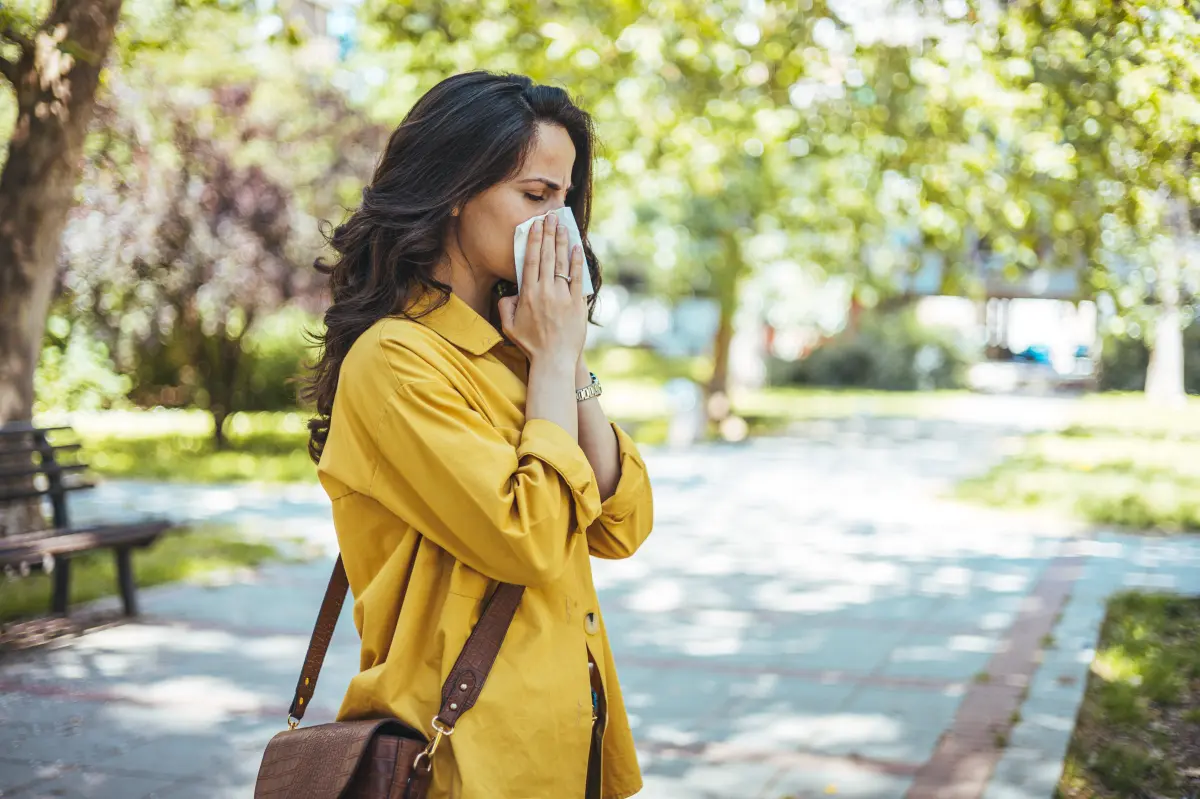
Picture this: it’s that time of year when pollen dances through the air like invisible ninjas, turning your nose into a sprinkler and your eyes into swollen emojis. You’ve popped pills, sprayed nasal wonders, and maybe even donned a bee-keeper suit just to step outside. But what if the answer isn’t locked in a pharmacy cabinet but steeping in a quaint café cup? Enter matcha, that vibrant, grassy-green Japanese tea that’s been making wellness warriors swoon for centuries. Folks are whispering (and.guoping) that this antioxidant powerhouse might just be the zen master we need to tame seasonal allergies. It’s not just trendy influencers swearing by it—scientists are perking up their ears too. Sneezing fits, meet your potential new nemesis: a humble powder from ancient tea leaves. As allergy season ramps up with its spicy twists, more people are ditching the drugstore for the local café, blending health hacks with a comforting ritual. I mean, who’s not tempted by a warm brew that promises calm amidst the chaos? It’s like finding out your grandma’s old remedy actually works, but with a millennial glow-up. This isn’t about ditching your meds altogether, but adding a flavorful layer to your defense. With every sip, you’re not just hydrating; you’re flirting with ancient wisdom that might quiet those relentless achoos. It’s enticing, right? A treat that tastes like a forest meadow and could dial down the irritation.
Mice on a Matcha Mission
Let’s dive into the nitty-gritty of how this green magic might tick. Researchers in Japan, always at the forefront of blending tradition with science, conducted a fascinating study on mice genetically engineered to mimic human allergy woes—like sneezing fits galore. These little critters were on the hay fever hamster wheel until they got their paws on matcha extract. The protocol? Three doses a week over five weeks, capped off with an extra boost right before allergen exposure. Boom—sneezing dropped noticeably. Now, before you stock up on mouse-sized teabags, remember this was lab-controlled, not some backyard experiment. The mice gulped down the equivalent of about 10 human cups’ worth, way more than your average brew. It makes you wonder: could a daily latte-level indulgence really soothe your sinuses? These findings are preliminary, sure, but they paint matcha as more than just a trendy drink. It’s like discovering that broccoli can moonlight as a superhero cape. For anyone who’s ever dealt with eyes watering like a leaky faucet or a nose honking like a goose, this sparks hope. Imagine your winter woes melting away not with chemicals, but with something sourced from nature’s pantry. The study team was thrilled, not just because it worked, but because it challenged expectations. It wasn’t a fluke; it was repeatable in their furry subjects. As humans, we love shortcuts, and this feels like a shortcut wrapped in culture and flavor. But hey, mice aren’t mini-mes, so let’s not get ahead of ourselves.
How Matcha Dances with Sneezes, Not Crowds
Typical allergy meds? They’re like bouncers at a club, shoving the immune system’s reaction to allergens—think pollen, dust, or pet dander—to the curb to stop the chaos. You suppress the response, and voilà, fewer symptoms. But matcha? It’s not playing the same game. The researchers poked around expecting immune system shenanigans, but nope—matcha zeroed in on the nervous system instead. Specifically, it targeted the brainstem, that brain HQ where the sneezing reflex lives. By fiddling with receptors that ignite that involuntary “ah-choo” eruption, matcha flipped the script. It’s like telling your body, “Hey, allergen alert? Nah, let’s chill instead.” Instead of fighting the invader directly, it promoted a zen vibe, making reactions milder. Picture your nerves as overexcited toddlers at a party; matcha slips them a calming sip of herbal tea to quiet the racket. This is different—revolutionary, even. Traditional meds aim to block the storm; matcha coaxes it into a gentle rain. It’s fascinating how this ancient tea draws from holistic roots, emphasizing balance over brute force. For allergy sufferers who dread the side effects of antihistamines (that foggy brain haze anyone?), this approach whispers of harmony. Not quelling the immune army entirely, but soothing the messengers that trigger the mayhem. It’s a nudge toward natural modulation, reminding us that sometimes, the body just needs a friendly nudge, not a full-on takedown.
The Stars Behind the Green Power
So, what’s the secret sauce in matcha that makes it a sneeze-whisperer? Spoiler: it’s a cocktail of bioactive goodies that have earned it superstar status in wellness circles. Catechins, those potent antioxidants famous for fighting inflammation, likely play a starring role. Then there’s L-theanine, an amino acid that chills you out, much like meditation in a mug. Together, they create a synergy that’s been linked to reduced stress, better immunity, and now, possibly, gentler allergic responses. Researchers think these compounds might interact with neural pathways, quieting the urge to sneeze without the immune suppression that leaves you vulnerable. It’s like having a team of microscopic peacekeepers. Imagine sipping this and feeling that subtle shift—from itchy, irritated to calm and collected—as the nutritionists at health blogs rave about its benefits. But let’s be real: matcha’s fame isn’t new; it’s been a ritual in Japan for ages, from samurai boosts to modern mood-enhancers. Anecdotally, people swear by it for focus and serenity, and now allergy relief could join the list? This crossover isn’t surprising—holistic remedies often multitask. For instance, that morning matcha might sharpen your mind while subtly shielding your sinuses. It’s empowering to think that something so simple, so cultural, holds such potential. The study hints at matcha’s gifts being multifaceted, blending anti-inflammatory prowess with neurological finesse. As someone who loves a good kitchen experiment, I can see myself exploring this further, maybe toasting to clearer breaths. It’s not just tea; it’s a toolkit.
Caveats in a Cup: Not a Miracle Cure Yet
Here’s the reality check: adorable as coughing mice sound, we’re not there yet for humans. The study used massive doses—think 10 times a standard cup—so don’t guzzle gallons expecting miracles. Extensive research is needed to see if matcha scales up safely to our species, with how it interacts with our unique biology. Plus, allergies are complex beasts; matcha might ease sneezing but won’t banish the root causes like pollen or dust. So, stash that medicine cabinet with care—filter masks and meds aren’t obsolete. Honestly, treating this as a standalone fix is like expecting a band-aid for a broken bone. For folks with severe symptoms, consulting a doc is non-negotiable. But in the realm of daily wellness, it’s a tantalizing addition. The sheer amount in the mice study screams moderation; overdosing on green tea could lead to jitters or tummy troubles. It’s a reminder to listen to your body—sip mindfully, not recklessly. As allergies evolve with climate weirdness, sparking fiercer seasons, innovative approaches like this keep hope brewing. Yet, without human trials, it’s premature to hail matcha as the savior. Imagine the irony: trading one allergen (maybe tea sensitivities) for another relief. Science marches slowly, but these initial sparks could ignite bigger breakthroughs. For now, it’s a hint, not a guarantee—exciting, but grounded.
Expert Voices: Sip Smart and Stay Sensible
In a chat with Food & Wine, study co-author Osamu Kaminuma, a professor at Hiroshima University, tempered the hype: matcha won’t overhaul allergies, but it might offer symptomatic perks for sneezing. He’s right; it’s not a cure, just a tool in the toolbox. Allergists chimed in with enthusiasm, too. Dr. Sebastian Lighvani from Lenox Hill Hospital called it “fascinating” how matcha tweaks neurotransmitters, blocking sneezing signals. It’s science fiction turning real—envisioning a drink altering brain chemistry for better. Dr. David Corry from Baylor College of Medicine waved the green flag for trying it, but with a wink: keep it to two or three cups daily, no excess. “No harm in green tea,” he said, avoiding the caffeine overload that might disrupt sleep. It’s reassuring coming from pros; they’re not dismissing it as fluff. This aligns with our cultural shift toward natural aids, like honey for coughs or ginger for nausea. The experts’ cautious optimism encourages experimentation, but responsibly. For me, it means gearing up forspring with curiosity—a café stop replacing a pharmacy run. As pollinating plants go wild, this green tea tale reminds us to blend tradition with evidence. Sneezing fits might have found a flavorful ally, but let’s brew wisely, one cup at a time. In a world of remedies, matcha’s emergence is a breath of fresh, earthy air.