





The Hidden Danger in Your Guacamole: Understanding the Whole Foods Recall
Picture this: you’re hosting a casual get-together, and you’ve carefully arranged a spread of appetizers for your guests. There’s a vibrant bowl of guacamole, some fresh pico de gallo, and perhaps a zesty salsa that promises to elevate those crispy tortilla chips into something truly memorable. It seems innocent enough, right? After all, these are the kinds of foods we reach for without a second thought, assuming that if they’re sitting on a store shelf, they must be safe to eat. But as thousands of Whole Foods shoppers recently discovered, that assumption can sometimes lead us dangerously astray. The Food and Drug Administration has issued a serious warning about nearly 13,000 dips, salsas, and guacamole products sold under the Whole Foods label, and the reason behind this recall is enough to make anyone think twice before dipping that chip.
The culprit behind this widespread recall is none other than Salmonella, a bacterium that has been causing significant concern among health officials for months. The trouble began when investigators traced a multistate outbreak back to fresh jalapeños supplied by a company called Coast Citrus Distributors, which had imported the peppers from Sinaloa, Mexico. These seemingly innocent green peppers, which add just the right amount of heat to dips and salsas, were contaminated with the dangerous bacteria. As the investigation unfolded, it became clear that these tainted jalapeños had made their way into various food products distributed to restaurants, retailers, and food-service companies across the country. For Whole Foods specifically, this meant that a wide range of popular products—from mild guacamole to spicy pico de gallo—needed to be pulled from shelves immediately to protect unsuspecting consumers from potential harm.
Now, you might be wondering just how serious this situation really is, and the answer might surprise you. The FDA has classified this recall as Class I, which represents the highest level of risk in their ranking system. This classification isn’t given out lightly; it indicates that there is a “reasonable probability” that consuming the affected products could lead to serious health consequences or even death in severe cases. That’s a sobering thought when you consider that we’re talking about something as seemingly innocuous as a container of guacamole from your local grocery store. The FDA’s decision to elevate this recall to the most serious classification underscores just how important it is for consumers to take this situation seriously and check their refrigerators for any potentially affected products.
While it’s somewhat reassuring to know that no illnesses have been directly linked to the Whole Foods products themselves, the broader outbreak tells a much more concerning story. As of late August, health officials reported that 431 people across 32 different states had fallen ill as a result of this Salmonella outbreak. Of those affected, 57 individuals required hospitalization, though thankfully no deaths have been reported. The illnesses began appearing in mid-June and continued through early August, suggesting that the contamination was widespread and persisted for some time before being identified and contained. The Centers for Disease Control and Prevention conducted interviews with those who became sick and discovered that many had dined at Mexican-style restaurants before falling ill, including popular chains like Chipotle and QDOBA. Both of these restaurant chains acted quickly to remove the affected peppers from their establishments once they were alerted to the potential danger, and federal health officials have since confirmed that there’s no ongoing risk associated with eating at these restaurants.
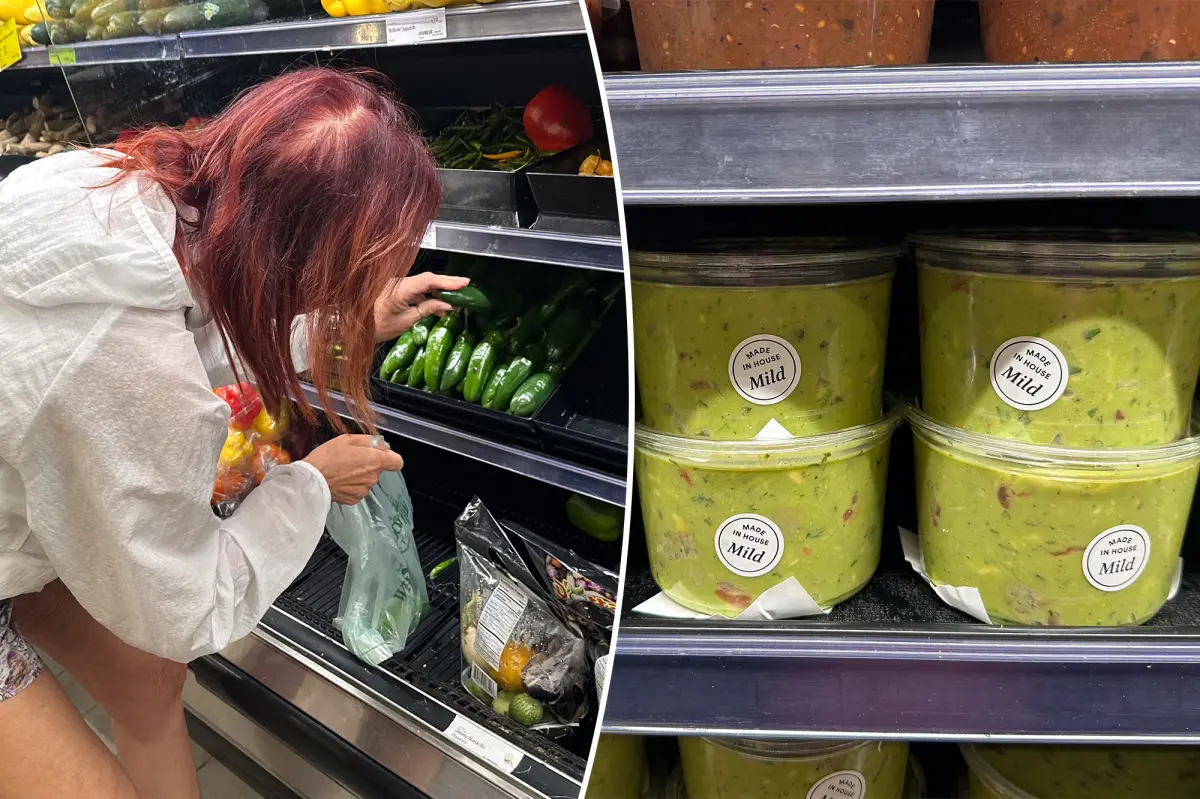
For consumers who may have purchased these recalled products, the specific items affected include a variety of Whole Foods brand dips and salsas that were sold both online and in physical stores across twelve states: Arkansas, Illinois, Indiana, Iowa, Kentucky, Louisiana, Michigan, Missouri, Ohio, Oklahoma, Texas, and Wisconsin. The recalled items range from mild guacamole dip and guacamole without tomatoes to spicier versions, pico de gallo, pomegranate guacamole, roasted corn guacamole, and even a trio dip that combines pico de gallo, guacamole, and salsa all in one convenient package. Additionally, a mango pineapple salsa was included in the recall. The FDA has published a complete list of the affected products along with their identifying codes so that consumers can easily determine whether their purchases are among those being recalled. This transparency is crucial for helping people protect themselves and their families from potential exposure to this dangerous bacteria.
Understanding what Salmonella is and how it affects the human body can help put this recall into perspective. Salmonella is a type of bacteria that, when ingested, can cause a range of unpleasant and potentially serious symptoms. Those who become infected typically experience diarrhea, fever, and stomach cramps, with symptoms usually appearing anywhere from 12 to 72 hours after consuming contaminated food. For most healthy individuals, these symptoms will persist for four to seven days before resolving on their own, but that doesn’t mean the experience is pleasant. The illness can be intensely uncomfortable and debilitating, forcing people to miss work, cancel plans, and generally feel miserable for the better part of a week. However, for certain vulnerable populations—including young children, older adults, and those with weakened immune systems—the consequences can be far more severe. These individuals face a significantly higher risk of developing serious complications that may require hospitalization and intensive medical treatment.
Perhaps one of the most unsettling aspects of Salmonella contamination is that you cannot tell by looking at, smelling, or tasting food that it’s harboring these dangerous bacteria. Unlike some other food safety issues where you might notice an off odor or unusual appearance, contaminated food can look, smell, and taste completely normal. This means that even the most careful and discerning consumer cannot rely on their senses to protect them from potential exposure. It’s a humbling reminder that food safety depends on a complex chain of oversight and regulation that extends far beyond what we can see or experience in our own kitchens. The FDA’s advice to consumers is straightforward: if you have any of the recalled products in your refrigerator, don’t eat them. Instead, throw them away immediately or return them to the place of purchase for a full refund. While it might seem wasteful to discard food you’ve already purchased, the potential health consequences far outweigh the cost of replacing these items. So the next time you’re reaching for that container of guacamole, take a moment to check whether it’s one of the affected products—your health and well-being are worth that extra bit of caution.