



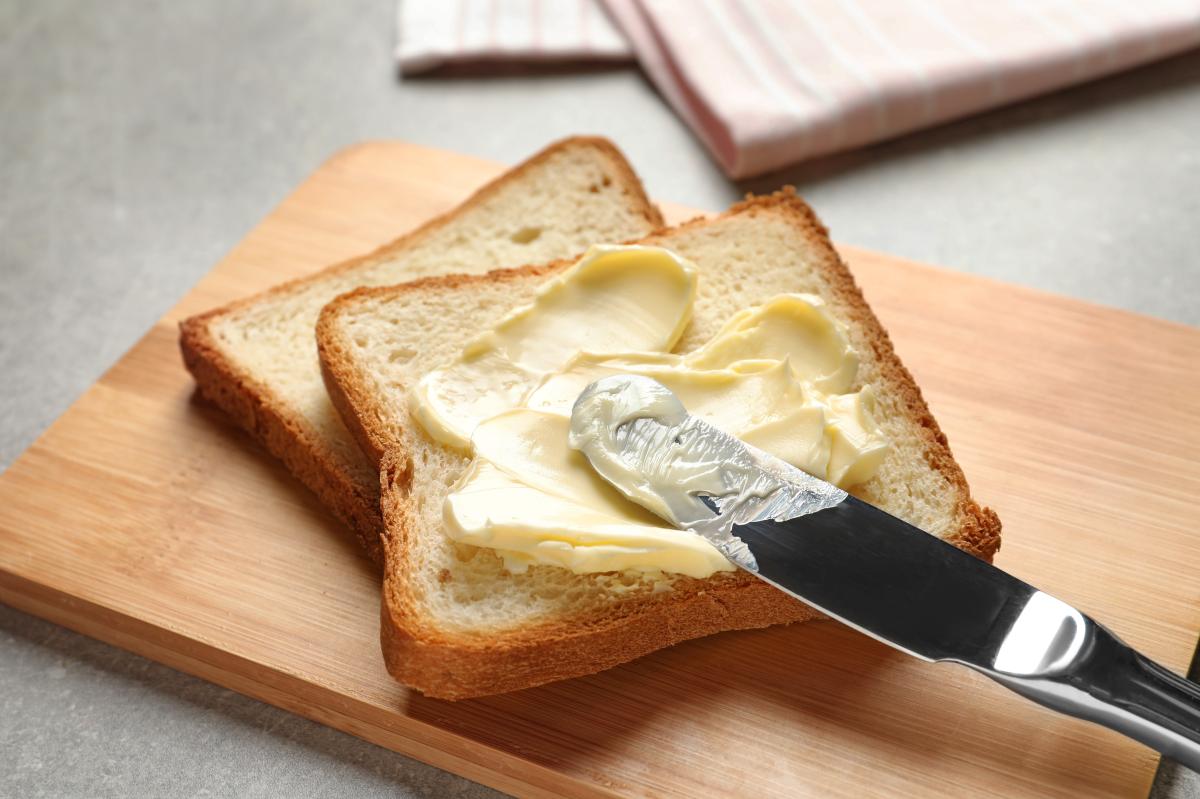
1. A familiar kitchen staple is making headlines for all the wrong reasons, and if you’re a fan of plant-based alternatives, you’ll want to pay close attention. A popular vegan butter, Miyoko’s Creamery European Style Salted Plant Milk Butter, has been recalled in ten states due to concerns about E. coli, yeast, and mold. The recall was announced by the Food and Drug Administration (FDA) and initiated by Prosperity Organic Foods, Inc., the Boise, Idaho-based manufacturer behind the product. For those who have come to love this organic, cashew milk-based butter, this news might feel unsettling, especially since it’s often seen as a premium, wholesome option on grocery store shelves. The product in question is made from a blend of cashew milk and plant oils, giving it a rich, spreadable texture that has made it a favorite among vegans, lactose-intolerant individuals, and anyone simply looking to reduce their reliance on dairy. But now, consumers across a wide swath of the country are being urged to check their refrigerators and pantries, because this particular batch of butter may contain pathogens that could make people sick. It’s one of those moments when a trusted brand suddenly finds itself in the spotlight for safety issues, and it serves as a reminder that no product, no matter how natural or thoughtfully marketed, is completely immune to contamination risks.
2. The recall has been officially classified as a Class II risk by the FDA, which is important context for understanding just how concerned consumers should be. A Class II designation means that the product can cause “temporary or medically reversible adverse health consequences,” and while that may sound technical, it essentially means the health effects are not likely to be fatal or permanently damaging in most cases, but they are certainly not pleasant either. The FDA’s enforcement report specifically lists yeast, mold, and E. coli as the reasons for the recall. Interestingly, the chain of events that triggered this recall began when a Massachusetts-based supermarket chain, Market Basket, notified customers about unusually high yeast levels that failed to meet quality standards. That alert, reported by WGRZ, eventually led to a broader investigation and the discovery of the more concerning contaminants. For consumers, this is a sobering reminder that “quality standards” are not just about taste and texture; they are also about safety. The presence of mold and yeast might simply cause a product to look or taste off, but E. coli is a different story entirely. When a food product is recalled for this combination of contaminants, it suggests a breakdown in the production or packaging process, and it raises questions about how such a thing could happen in a facility that is supposed to follow strict food safety protocols. For now, the focus is on getting the affected products off the shelves and out of people’s homes before anyone gets hurt.
3. For anyone who has eaten this butter already, it’s natural to feel a wave of anxiety, so let’s break down what E. coli exposure actually means. E. coli infections are notorious for causing severe stomach issues, including diarrhea, nausea, and vomiting. In more serious cases, certain strains of the bacteria can lead to hemolytic uremic syndrome, or HUS, a life-threatening condition that can result in kidney failure. That might sound terrifying, and it should be taken seriously, but it’s also important to remember that not everyone who consumes contaminated food will become seriously ill. The Centers for Disease Control and Prevention (CDC) notes that young children and older adults are particularly vulnerable to severe illness, meaning they are the ones who need the most careful monitoring if they have consumed the product. That said, the FDA has reported that no illnesses have been linked to this recall so far, which is reassuring. Symptoms of E. coli typically appear three to four days after swallowing the bacteria, and most healthy adults recover within five to seven days. Still, if you or a family member have eaten this butter and are experiencing abdominal cramps, diarrhea, or any other concerning symptoms, it’s wise to contact a healthcare provider, especially if the person affected is a child, an elderly individual, or someone with a compromised immune system. The absence of confirmed illnesses is a good sign, but it doesn’t mean the risk should be dismissed, particularly because foodborne bacteria can affect people so differently.
4. If you have a package of this butter sitting in your fridge, the most important thing right now is to check the specific details to see if it’s part of the recall. The affected product is the Miyoko’s Creamery Organic European Style Plant Milk Butter, which is perishable and was shipped in 6-pack cases. Each case contains six 8-ounce units, making the total net weight of the case 3 pounds. The specific lot number to look for is 1007871, and the best-by date is November 5, 2026. The recall affects 1,304 cases of butter, which adds up to 7,824 individual products distributed across ten states. Those states are Connecticut, Florida, Georgia, Illinois, Indiana, Iowa, Maryland, New Hampshire, New Jersey, and Wisconsin. If you live in any of these states and recently purchased a product that matches this description, it’s worth taking a few minutes to verify the lot number and best-by date printed on the packaging. Even if you don’t live in one of those states, it’s still a good idea to double-check if you travel frequently or ordered groceries online, because distribution chains can sometimes reach further than originally reported. The product’s labeling clearly states that it is organic, vegan, and made from plant milk, which is a big part of its appeal, but those attributes don’t change the fact that this specific batch needs to be removed from circulation.
5. Prosperity Organic Foods, Inc. initiated this recall voluntarily on September 11, according to the FDA’s enforcement report, and that says a lot about how the company is handling the situation. A voluntary recall is generally seen as a responsible, proactive move, because it means the company decided to pull the product before the government had to step in with a formal, legally compelled mandate. It suggests that the manufacturer is taking the issue seriously and prioritizing consumer safety over profits, which is always a good sign in a crisis like this. That said, it’s still a significant blow to Miyoko’s, a brand that has built its reputation on clean ingredients and a commitment to ethical food production. Miyoko’s prides itself on being 100% vegan, lactose-free, gluten-free, soy-free, and non-GMO, and the brand has a passionate following among people who are health-conscious and environmentally mindful. The company first started in 1990 with plant-based cheeses, carving out a niche in the dairy-free market long before it became a mainstream trend. In 2016, they launched their European-style cultured butter, which quickly became a standout product in their lineup. For loyal customers, this recall is not just an inconvenience; it’s a jarring reminder that even the most trusted brands can face unexpected challenges. It also highlights the complexity of food manufacturing, where contamination can occur despite best efforts, and it underscores the importance of strong testing and quality control measures at every stage of production.
6. So, what should you do if you think you have the affected product at home? The guidance is straightforward and simple: do not eat it. The FDA did not provide overly detailed instructions for this recall, but given that it’s a Class II situation, the safest and most practical approach is to toss the product or return it to the store where you purchased it for a full refund. Most grocery stores are accustomed to handling recalls like this, and retailers in the affected states have likely already been informed, so returning the product should be a smooth and straightforward process. If you have questions or need more information, you can contact the FDA directly at 1-888-463-6332, and they will be able to offer guidance and answer any concerns you might have. It’s also a good idea to clean any surfaces, utensils, or containers that may have come into contact with the butter, just to avoid any risk of cross-contamination. While this whole situation is undoubtedly frustrating, especially for those who love Miyoko’s products, it’s important to remember that recalls are an essential part of the food safety system. They exist to protect consumers, and the fact that this one was caught and announced quickly is a testament to the monitoring and reporting mechanisms that are in place. So, take a deep breath, check your fridge, and if you have this particular butter, don’t spread it around. Return it, get a refund, and rest assured that there will likely be plenty of safe, delicious plant-based butter on the shelves once this issue is resolved.