



1.
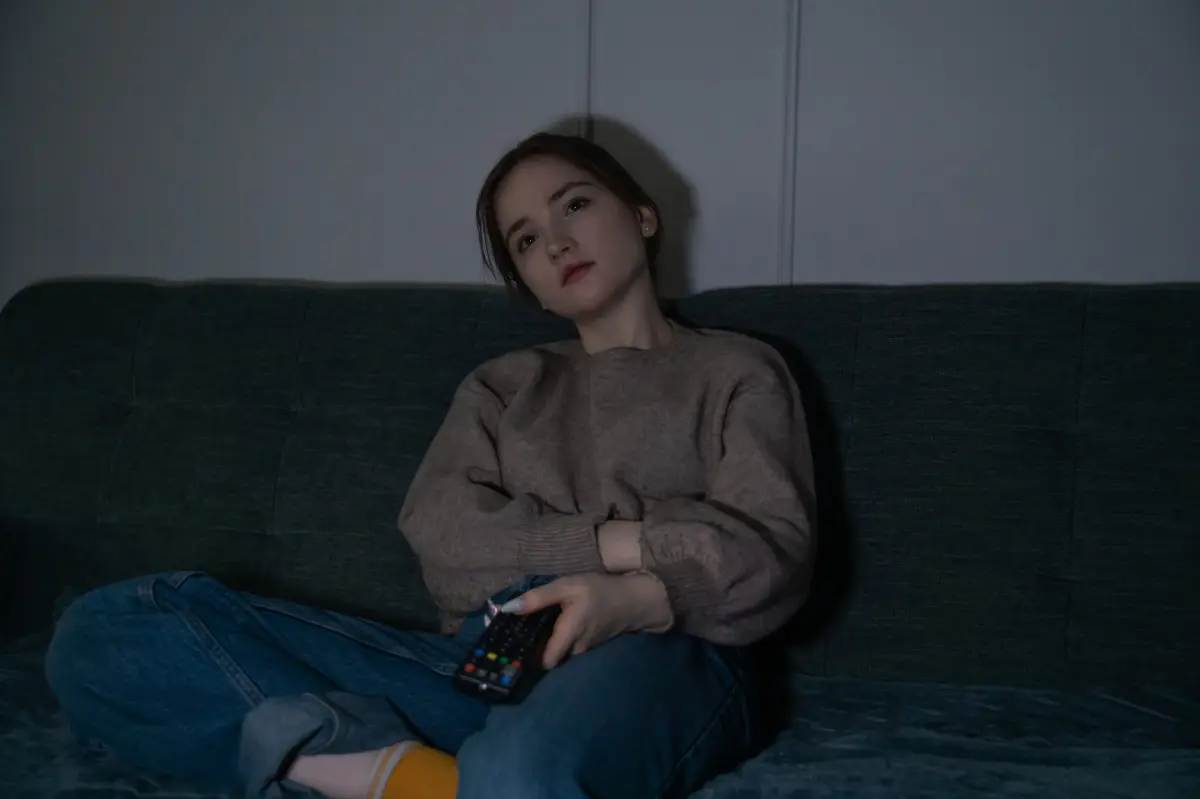
There’s a quiet ache running through Gen Z’s daily life, and it has nothing to do with Wi-Fi or work. New research reveals that seven in ten young adults—69 percent, to be exact—say they feel more lonely and isolated than they ever imagined they would. That’s a staggering number, especially for a generation that has grown up more digitally connected than any before it. The survey, conducted by Talker Research for Life Time, asked 1,000 Gen Z respondents about their social habits, and the picture that emerges is both heartbreaking and hopeful. These are not young people who shun connection; in fact, connection matters deeply to them. They want to be around others, to feel seen, to laugh with someone who gets them. But adulthood has thrown up barriers they didn’t expect. Work schedules, financial pressures, and the simple exhaustion of just getting through the day have made friendship feel like a luxury rather than a given. Even when they are physically surrounded by people—at a desk, in a coffee shop, in a crowded room—the average Gen Z respondent reports feeling lonely four days a week. That loneliness isn’t about being alone; it’s about being disconnected in the midst of other people. And when they look around for places to go where they might naturally bump into familiar faces, they often find nothing. Sixty percent of respondents say the lack of a dedicated social environment is part of the problem. They need what sociologists call a “third space”—a place that isn’t home, isn’t work or school, but somewhere neutral and welcoming where friendships can organically grow. Without it, many feel like they’re adrift, wanting connection but not knowing where to find it.
2.
Yet amid this loneliness, there’s an unexpected spark of possibility: the gym. For many in Gen Z, fitness is already more than just a routine—it’s a doorway to community. While 52 percent of respondents say they usually work out alone, an overwhelming 83 percent say they’d be excited to combine fitness and friendship more often. That’s not just a nice sentiment; it’s already happening for many. Fifty-nine percent of those surveyed consider the place where they exercise to be a true third space, a spot where they can show up, put in the work, and casually connect with familiar faces. The math is simple: when you see the same people regularly, walls come down. Shared effort creates bonds that are hard to replicate in other settings. You’re all pushing through the same struggle, breathing hard, trying to get stronger—and somehow that shared vulnerability makes conversation easier. Three-quarters of respondents say having a recurring place to show up would help them stay social, and 72 percent believe it would improve their mental well-being. That’s a powerful vote of confidence for a simple idea: consistency creates community. Danny King, director of performance and recovery at Life Time, put it well when he said that Gen Z often tells him they’re more likely to stick with a routine when they find a workout buddy or a group class they genuinely enjoy. It’s encouraging, King said, to see so many recognize the value of combining fitness and friends. Showing up regularly with people you know helps build routines and relationships at the same time, and that supports mood, stress, and motivation. It’s not just about getting fit; it’s about finding your people. The gym becomes a place where you’re not just accountable to yourself—you’re part of something bigger. And for a generation starving for connection, that’s a lifeline.
3.
Still, getting to that place isn’t easy. The survey makes it clear that Gen Z is not lacking in desire; 73 percent are interested in mingling more often, and 71 percent are actively looking for new friends. But desire doesn’t always translate into action when reality gets in the way. The average respondent says they have three close friends, but nearly half—43 percent—say they have even fewer than that. One in six report seeing their close friends just a couple of times a year, with some admitting it’s even less often. That’s not a friendship; that’s a memory. And the biggest culprit is money. Cost is the number one factor preventing Gen Z from spending more time in social spaces, with 37 percent naming it as a major obstacle. Another 27 percent say they’re dissatisfied with how much going out costs these days. A coffee costs six bucks. A cocktail costs twelve. A concert ticket costs sixty. It adds up fast, and for a generation facing student loans, housing costs, and entry-level wages, those small expenses can feel like impossible luxuries. But it’s not just money—it’s fear. Half of Gen Z says they struggle with making new connections, and that struggle is real. They worry about awkwardness, about rejection, about not knowing what to say. Interestingly, even though they live their lives online, 73 percent think finding their crowd would actually be easier in person. They miss the organic, unplanned interactions that used to happen naturally—standing in line together, sharing a table, getting caught in the rain with someone and laughing about it. Digital spaces have given them convenience but taken away the warmth. They’re tired of likes and comments; they want eye contact and inside jokes. They want to feel known, not just seen. And they’re aware that the longer they stay in their comfort zone, the harder it becomes to break out.
4.
Time is another thief. Even when Gen Z wants to be social, they often find themselves running on empty. Thirty percent say they’re simply too tired after work or school to go out and be around people. Another 30 percent say they’re prioritizing other responsibilities instead—errands, chores, family obligations, the endless admin of life. Nearly two-thirds of respondents say their weekly routine is primarily, if not entirely, spent on obligations other than socializing. That leaves 69 percent feeling like they simply don’t have time to be out and about, even though they wish they did. It’s a paradox: they want connection, but they don’t have the bandwidth to chase it. And the places that are supposed to help aren’t really helping. Coffee shops and bars—traditionally the go-to third spaces—aren’t cutting it. Thirty percent of respondents say coffee shops are only helpful for connecting with friends once a week or less often, and 36 percent say the same about bars. These spaces feel transactional: you order, you sit, you leave. They don’t encourage lingering or conversation. As a result, 42 percent of Gen Z say they need more social spaces to hang out in, places that are welcoming, affordable, and designed for people to actually interact rather than just exist side by side. The desire is there, but the infrastructure isn’t. Seven in ten respondents agree that even when they want to be social, they don’t feel like they have the bandwidth for it. It’s not that they don’t care; it’s that they’re stretched thin. They’re juggling too much, expected to be productive every waking moment, and taking time to simply be with friends feels like another task they can’t fit into the schedule. It’s a cycle of isolation that’s hard to break.
5.
But here’s the encouraging side: even as social calendars shrink, fitness is becoming a non-negotiable. Eighty percent of those surveyed say they’ve committed to active lifestyles within the past year, and they’re finding balance in their workouts. Thirty-five percent say they fill their time with an equal mix of outdoor and indoor activities, which suggests a desire for variety and adventure. When asked how they stay active, walking and hiking top the list at 62 percent, followed by running at 56 percent, weight training at 45 percent, stretching at 38 percent, and yoga at 32 percent. These aren’t just workouts; they’re rituals. They’re ways to clear your head, feel your body, and remember you’re alive. And they’re also ways to connect with others without the pressure of formal socializing. You can hike with a friend and talk the whole way, or you can take a yoga class and feel part of something even in silence. Fitness becomes a shared language. It doesn’t require small talk; it requires showing up. King’s words capture this perfectly: people are looking for somewhere to go that isn’t home, work, or school, and fitness can be that place. When a space brings people together around shared goals, it becomes about more than a workout. It becomes a community hub, a support system, a reason to leave the house. For Gen Z, that’s invaluable. They’re not just building muscles; they’re building connections. They’re creating a version of adulthood where taking care of yourself also means taking care of your social life. The gym, the trail, the yoga studio—these are the new town squares, where loneliness can be sweated out and friendships can be forged.
6.
In the end, what this research reveals is not a generation that has given up on connection, but one that is struggling to find spaces where connection can naturally happen. Gen Z is lonely not because they don’t want friends, but because the world around them hasn’t caught up to their needs. They need affordable places to gather, flexible schedules that respect their exhaustion, and environments where they can be themselves without judgment. They need permission to be social, not just encouragement. And they’re finding some of that in the fitness spaces they’ve carved out for themselves—places where they can show up as they are and slowly build relationships around shared effort. This is a hopeful story. It’s a story about a generation that recognizes the problem and is actively looking for solutions. They’re not waiting for someone to hand them a social life; they’re trying to build one. They’re saying yes to fitness, yes to group classes, yes to walks and hikes and runs. They’re showing up, even when it’s hard, even when they’re tired, even when they’re scared. For every statistic about loneliness, there’s another about resilience. Seven in ten feel more isolated than expected, but nearly as many are excited about combining fitness and friendship. The average Gen Zer may have only three close friends, but they’re ready to make more. The survey, conducted by Talker Research for Life Time among active Gen Z respondents with internet access in late 2026, is a reminder that loneliness is not a life sentence. It’s a signal that we need to build better spaces, smarter communities, and more opportunities for people to simply be together. And maybe, just maybe, the answer hasn’t changed much at all: find a place you love, go there regularly, and let the rest happen naturally. That’s how friendship starts. That’s how loneliness ends.