





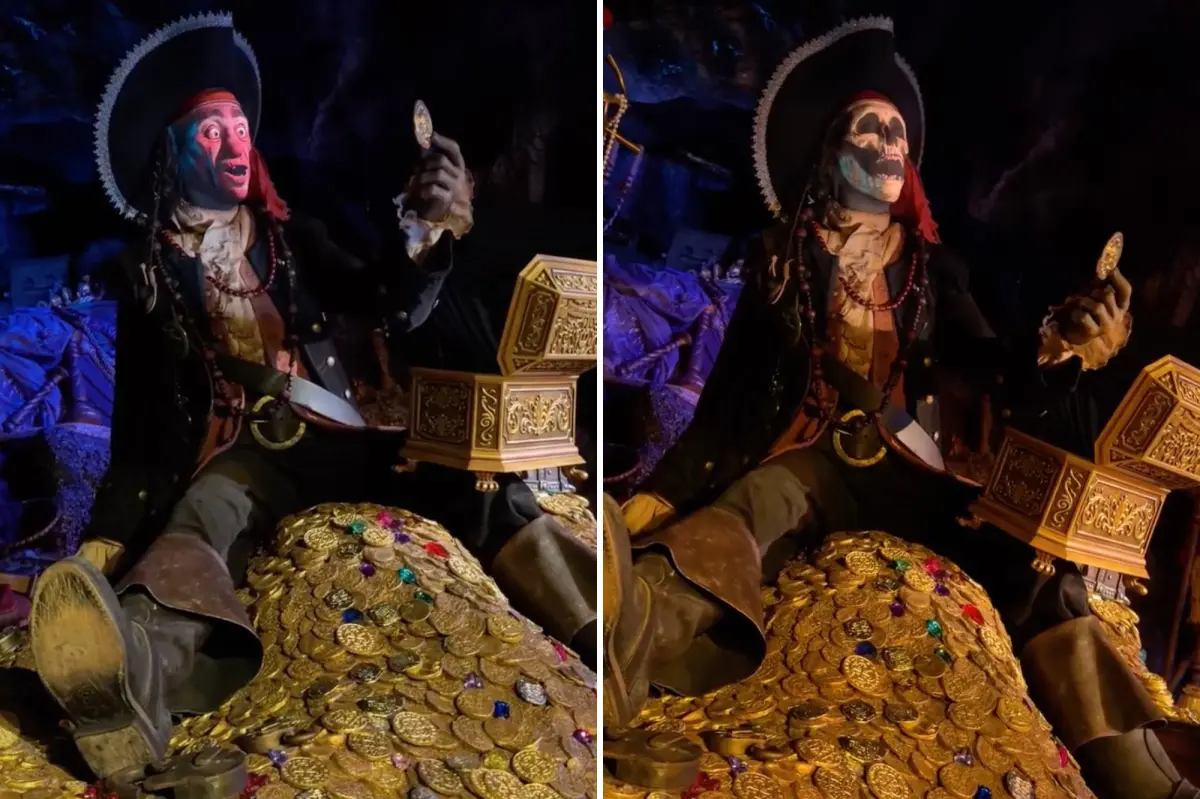
There is a sacred, nostalgic quality to the cool, damp air that greets visitors as they drift into the cavernous entry of Disneyland’s New Orleans Square, embarking on what many consider to be the crown jewel of themed entertainment: the Pirates of the Caribbean. For over half a century, this legendary attraction has stood as a masterclass in atmospheric storytelling, serving as the final ride personally overseen by Walt Disney before his passing in 1966. Its shadowy caverns, scent of treated water, and catchy sea shanties have been woven into the childhood memories of generations of theme park enthusiasts. When Disney announced a brief two-month closure for routine refurbishment, anticipation was high, but also tinged with the familiar anxiety that accompanies any change to a beloved historical monument. When the sails were finally raised and the boats began to glide through the caverns once more, guests were met with a startling technological evolution in the ride’s iconic opening grotto scene. Instead of the static, skeletal remains of a long-dead buccaneer guarding his ill-gotten gains, riders were introduced to a shape-shifting, high-tech pirate who dynamically transforms from a living, breathing scoundrel into a cursed skeleton before their very eyes, sparking a passionate debate about the soul of theme park design.
At the center of this creative storm is an ambitious fusion of physical puppetry and digital illusion, a technique that leverages the latest advancements in projection mapping and mechanical animation to breathe life into the supernatural lore of the sea. Nestled atop a glittering mound of cursed gold in the dark treasure grotto, the new animatronic figure initially appears as a greedy, flesh-and-blood pirate marveling at his stolen wealth. Through a complex system of “face mapping,” a highly detailed, 3D-printed face acts as a canvas for dynamic, projected expressions while a sophisticated skeletal frame moves underneath to simulate breathing, laughing, and shifting weight. As guests look on, the projection seamlessly transitions to reveal the gaunt, terrifying visage of a skeleton, depicting the terrible toll of the treasure’s curse in real-time, before reverting back to human form. This marks a radical departure from the ride’s original, static physical set-pieces that relied on theatrical lighting, shadows, and the riders’ own imaginations to convey the macabre passage of time. While the technical sophistication of this illusion is undeniable—requiring precise synchronization between high-definition projectors, physical movement, and ambient audio—it has fundamentally altered the visual rhythm of one of the most famous sequences in theme park history.
The reaction from the die-hard Disney community was swift, visceral, and overwhelmingly critical, transforming social media platforms into a digital battleground of disappointment and frustration. Shortly after the ride reopened, Disney shared an Instagram video showcasing the newly installed animatronic, and the comments section was quickly overrun by a digital mutiny of passionate fans who felt the update stripped the ride of its classic majesty. Critics did not mince words, with some flatly grading the creative overhaul a miserable “0/10” and calling for an immediate restoration of the classic sequence. “This is the opposite of magic,” lamented one disgruntled purist, who felt that the bright, digital glow of the projection mapping clashed with the shadowy, hand-crafted aesthetic of the 1967 original. Others expressed a profound sense of grief over the loss of the quiet, melancholic atmosphere that once defined the grotto, writing that the update “completely ruins the classic ride’s look, pacing, tone, story, and timeline.” To these devoted purists, the replacement of a physical, dust-covered skeleton with a glowing, screen-based cartoon represented a betrayal of the tactile craftsmanship that made Walt Disney’s original creations feel so tangibly real.
This fierce backlash highlights a deeper, ongoing philosophical conflict at the core of the Disney fandom: the delicate, often painful tension between historical preservation and technological progress. For decades, theme parks have hovered in a strange cultural space where they are treated simultaneously as living, evolving entertainment centers and as sacred, protected museums of mid-century Americana. Fans argue that the magic of Pirates of the Caribbean lies in its timeless nostalgia—a fragile illusion constructed out of physical fabric, plaster, clever mirror tricks, and theatrical lighting that allows the mind to fill in the blanks. When modern digital technology, such as projection mapping, is inserted into these vintage spaces, it can often feel jarringly contemporary, pulling guests out of the historical fantasy and reminding them of the very screens they came to the park to escape. The critics are not merely reacting to a new animatronic; they are mourning the erosion of an artistic philosophy that valued subtlety, shadow, and physical presence over flashy, digital kinetics, arguing that the grotto is no longer a haunting memento mori, but rather a noisy special effect.
In stark contrast to the outcry online, the creative minds at Walt Disney Imagineering view these upgrades as the vital, next logical step in the evolution of physical storytelling. To the engineers and designers who spend years developing these attractions, audio-animatronics are not static relics to be preserved in amber, but a constantly evolving medium designed to push the boundaries of what is possible in a physical space. An executive R&D Imagineer defended the new grotto pirate as the “next level of our animatronics,” praising the figure’s ability to display “incredibly characterful faces” that can convey deep, nuanced emotion in ways that traditional latex and mechanical eyelids never could. From the Imagineers’ perspective, they are fulfilling Walt Disney’s famous personal credo that the parks would never be completed as long as there is imagination left in the world. By introducing cutting-edge 3D printing and digital mapping to a fifty-seven-year-old ride, they believe they are keeping the attraction fresh, relevant, and visually stimulating for a new generation of theme park visitors who have grown up in an era of flawless digital CGI.
As the splash of the boats and the smell of ozone continue to draw thousands of daily visitors to New Orleans Square, the debate over the cursed pirate of the grotto serves as a powerful reminder of how deeply people care about these shared cultural touchstones. Whether this new animatronic is ultimately embraced as a brilliant engineering marvel or remembered as a misguided, digital misstep, it underscores the incredibly narrow tightrope that Disney must walk whenever it dares to touch its historic masterpieces. The challenge lies in updating these attractions enough to captivate a modern audience without dismantling the quiet, atmospheric soul that made millions of people fall in love with them in the first place. In the end, the true magic of Pirates of the Caribbean has always lived in the balance between the shadows and the light, and as the tides of technology continue to roll in, Disney must carefully navigate these waters to ensure its most treasured stories do not get lost in the transition from analog warmth to digital glare.