





For generations of Americans, the mere mention of Chili’s Grill & Bar evokes a vivid wave of sensory nostalgia. The unmistakable hiss of sizzling fajita platters slicing through the hum of a lively dining room, the comforting aroma of charred peppers and spices, and the heavy, reassuring clank of frozen glassware are deeply woven into the fabric of casual dining history. During the late twentieth century, casual dining establishments acted as the ultimate communal hubs of suburban America, offering a sanctuary of vibrant color, warmth, and comfort far removed from the sterile minimalism of today. Over the past decade, however, many legacy restaurant chains fell victim to a homogenization of design, stripping away their colorful, quirky personalities in search of sleek, modern aesthetics that often felt more like clinical workspaces than inviting neighborhood eateries. Recognizing that modern diners are yearning for genuine warmth, character, and tactile experiences in a world increasingly dominated by cold screens and digital transactions, Chili’s is embarking on a massive, retro-inspired aesthetic transformation. Dubbed a dramatic “glow-up” with a deep side of nostalgia, this nationwide design overhaul is guided by a beautifully direct and human mission statement: “Make Chili’s More Chili’s.” This means the casual dining giant is consciously stepping away from contemporary trends of “greige” paint and minimalist geometry to revive the legendary red booths, vibrant Southwestern-inspired colors, and eccentric hand-crafted details that transformed the brand into a cultural institution in the 1990s. After dedicating several years to sharpening its menu mechanics and improving guest service, the company is now turning its creative lens toward the spatial dining experience itself, inviting communities to slow down, slide into a cozy booth, and remember the simple joy of sharing a meal in a space that doesn’t take itself too seriously.
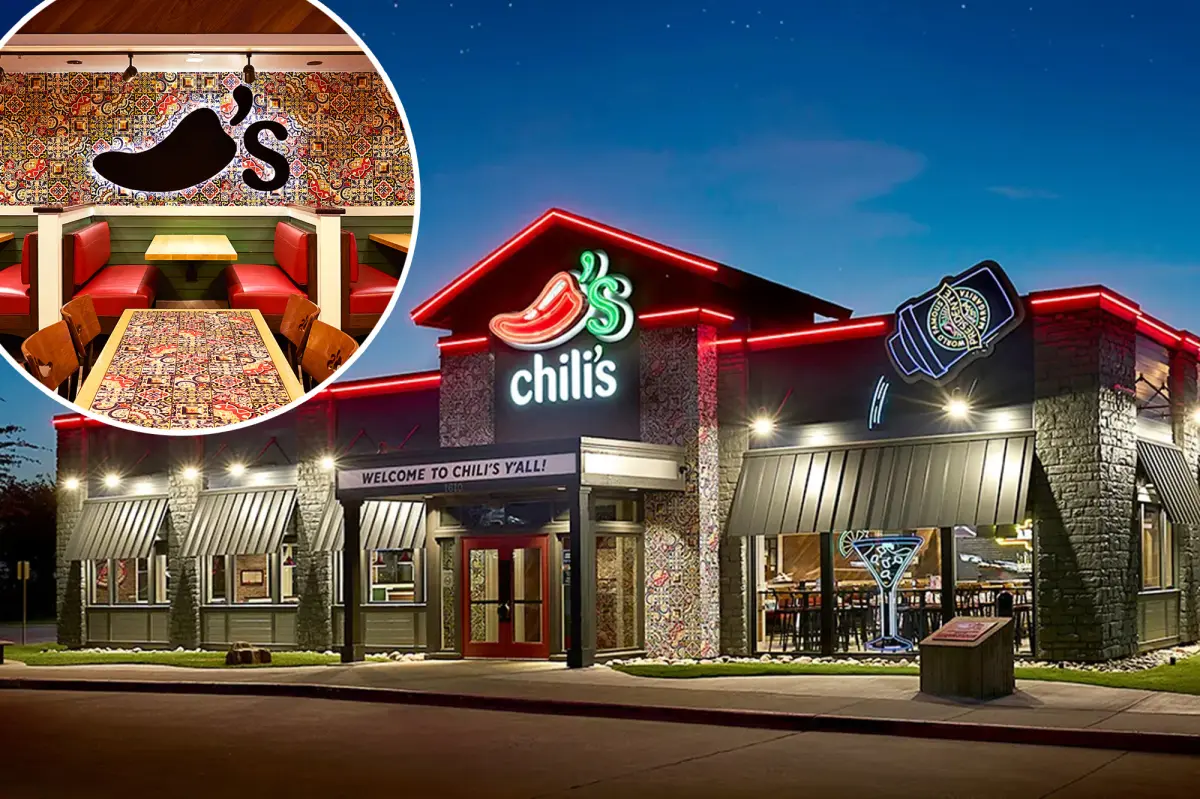
The physical design elements of this grand retro refresh are far from a superficial coat of glossy paint; they are a deeply researched, affectionate love letter to the brand’s historic roots and authentic heritage. Designers drew inspiration directly from Chili’s very first location on Greenville Avenue in Dallas, Texas, as well as the bold, Southwestern-inspired aesthetic that defined the company’s absolute peak in popularity during the nineties. Diners stepping into the newly remodeled spaces will be instantly greeted by the comforting return of the iconic, deeply cushioned crimson booths, which anchor the restaurant with a sense of cozy intimacy. The tables themselves are a testament to the past, featuring the famous patterned tile tabletops that served as the joyful backdrop for millions of family arguments, first dates, and birthday celebrations. Looking toward the bar area, patrons will find an expansive, high-energy space anchored by larger horseshoe-shaped configurations, glowing neon fixtures, and retro-stylized signage highlighting a dedicated “Margarita Bar.” For the observant patron, the interior walls are covered in delightful easter eggs and historical references, including framed sheet music of the unforgettable “Baby Back Ribs” jingle—a melody that lived rent-free in the collective subconscious of an entire generation. Even more playful elements abound in the custom wallpaper, which features charmingly surreal illustrations of tortilla-chip UFOs beaming up jalapeños alongside swimming pools filled to the brim with refreshing margaritas. There is even a reproduction of the original 1975 menu proudly on display, serving as a reminder of the brand’s humble beginnings as a neighborhood burger joint and cementing the idea that great dining experiences are built upon a foundation of humor, heritage, and genuine human hospitality.
This ambitious physical transformation was not dreamed up overnight by a detached corporate committee; rather, it was the result of meticulous testing, careful observation, and genuine consumer dialogue. Before committing to a sweeping nationwide rollout, Chili’s executives piloted several distinct atmospheric variations across four test restaurants in the Dallas-Fort Worth metroplex, a region representing the brand’s home turf and historically loyal fanbase. This localized testing phase allowed restaurant leaders to physically walk the floor, observe how diners interacted with the redesigned spaces, and gather real-time, face-to-face feedback from patrons who have frequented the brand for decades. Based on these valuable human insights, the design was carefully refined and polished before receiving final approval for wider distribution. The first official wave of the retro remodel outside the state of Texas made its highly anticipated debut on July 1, breathing new life into local communities. These initial rollouts occurred in Fayetteville, Arkansas; Monrovia, California; Kennesaw, Georgia; Lake Charles and Baton Rouge, Louisiana; Greensboro, North Carolina; Cookeville, Tennessee; and El Paso, Texas. To manage this monumental structural transition without disrupting daily operations, Chili’s has mapped out a patient, long-term strategy, planning to transform roughly ten percent of its nearly twelve hundred United States locations each year. This controlled, deliberate rollout ensures that every local restaurant receives the proper attention to detail, turning what could have been a chaotic corporate mandate into a series of localized celebrations as each community welcomes back its beloved, colorful neighborhood hangout.
This aesthetic renaissance arrives at a critical cultural and economic moment, as everyday consumers find themselves increasingly squeezed by the skyrocketing costs of modern life. In recent years, the delicate relationship between the American public and the fast-food industry has reached a breaking point, with rising prices across drive-thru lanes causing widespread frustration and a sense of alienation among working-class families. Chili’s brilliantly capitalized on this economic friction by positioning itself as an affordable, high-value sit-down alternative that treats its customers with financial respect rather than corporate exploitation. The chain went viral on social media earlier this year when its official accounts chimed in on a public debate regarding the absurd price of fast-food combos, famously roasting drive-thru competitors on X (previously Twitter) for charging nearly twenty dollars for a basic meal. By asking the public, “Why do y’all let fast food play you like this?” Chili’s instantly positioned itself as a champion “for the people,” garnering millions of views and a massive wave of public support. This cheeky online banter was backed up by authentic, market-disrupting value, specifically through their widely praised $10.99 “3 for Me” meal deal, which offers a complete sit-down dining experience for a fraction of the cost of a modern fast-food bag. By intertwining this aggressive, pro-consumer pricing strategy with their cozy, retro physical environments, Chili’s is offering a compelling proposition: why spend your hard-earned money in a rushed, transactional drive-thru lane when you can sit down in a beautiful, nostalgic red booth and enjoy a full, freshly prepared meal for less?
The centerpiece of this consumer-friendly culinary offensive is the strategic integration of food that matches the warmth of the surroundings, giving people a tangible, delicious reason to stay at the table longer. Chief among these items is the highly popular “3 for Me” menu tier, which gives diners an unprecedented amount of food for their money, including an entree, a side of fries, an unlimited beverage, and the beloved, bottomless pairing of warm tortilla chips and fresh salsa. This deal recently shone a spotlight on the chain’s New Big Crispy Chicken Sandwich lineup, which was meticulously developed by culinary teams to deliver the kind of gourmet, high-quality crunch and flavor profiles that fast-food giants simply cannot replicate at their current price points. There is a deep, psychological satisfaction in the ritual of the limitless chips and salsa—a shared culinary experience that encourages table-wide grazing, continuous snacking, and relaxed conversation before the main course even arrives. By centering their menu on high-value, communal items like the famous Big Crispy Chicken Sandwich and the iconic Triple Dipper, Chili’s is actively combatting the rushed, isolated eating habits of the twenty-first century. This culinary focus, combined with the comfortable, newly-remodeled dining rooms, turns a simple lunch or dinner into a social event, reminding diners that eating out should be an enjoyable escape rather than a hurried chore, and that real satisfaction comes from a balance of delicious food, fair pricing, and excellent company.
Ultimately, Chili’s vintage revival is about far more than restoring physical red booths, neon signs, and quirky wallpaper; it is an active effort to rebuild the vital spaces where human connections are forged. In an era dominated by delivery apps, self-service kiosks, and screen-mediated relationships, the simple act of sitting down face-to-face with friends and family has become a rare and precious occurrence. The return of the iconic cozy booths and tiled tables provides a physical sanctuary for these moments, establishing a comfortable, analog environment where guests can disconnect from the demands of the digital world and reconnect with one another. Whether it is a group of teenagers sharing a colossal Triple Dipper after a high school football game, a family celebrating a birthday under the warm glow of the neon margarita bar, or solo diners finding comfort in a familiar, welcoming space, Chili’s is reclaiming its rightful place as America’s neighborhood living room. By choosing to “Make Chili’s More Chili’s,” the company is demonstrating a profound understanding of its own legacy, showing that nostalgia is not merely a marketing gimmick, but a powerful bridge that connects our fondness for the past with our need for community in the present. As these vibrant, retro-inspired dining rooms continue to spring up across the country, they serve as a comforting reminder that even in a rapidly changing world, the timeless recipe of affordable food, friendly service, and a cozy, colorful atmosphere will never go out of style.