






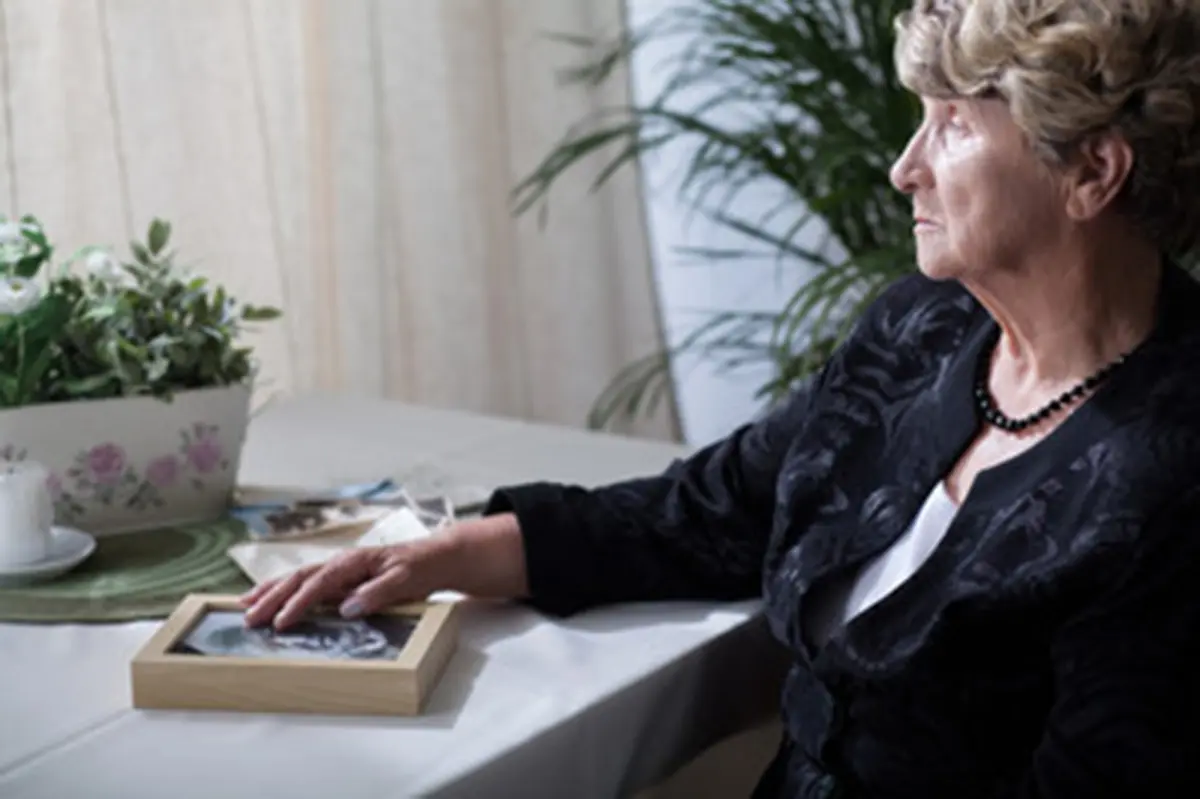
For over three decades, life for one Missouri family was an enviable tapestry of warmth, laughter, and shared traditions. Anchored by a loving marriage of thirty-one years, this happy group was defined by its vibrant energy, spending endless summer days together at the lake, hosting lively backyard barbecues by the pool, and gathering with passionate enthusiasm for football games. At the very center of this joyful universe stood a devoted husband and father, whose presence was the invisible glue holding four children and six grandchildren in a tight, affectionate embrace. However, five years ago, tragedy struck with ruthless, sudden efficiency, tearing this beloved patriarch away and leaving a gaping wound in the family’s heart that has simply refused to heal. In the painful aftermath of his passing, the vibrant landscape of their communal life withered away, replaced by a cold, distant quiet where the siblings no longer call one another, let alone their mother, and gatherings have shrunk from spontaneous, laughter-filled weekends to polite, obligatory meetups only on major holidays. The devastating realization that the family she once knew has vanished is compounded by the heartbreaking estrangement of her oldest son, who has cut off all communication with her simply because she chose to find companionship again and remarry, leaving this retired matriarch with the agonizing, hushed suspicion that her children secretly wish she had been the one to die instead of her husband.
This profound sense of isolation highlights a painful reality of grief: when the cornerstone of a household is removed, the remaining structure often collapses under the weight of unexpressed pain, unresolved sibling dynamics, and deep-seated resentment. For this grieving mother, retirement was supposed to be a golden season of indulging in the growth of her grandchildren and basking in the warmth of her children’s adult lives, yet it has instead morphed into a lonely, haunting fantasy. The pain of her oldest son’s rejection is particularly sharp, representing a form of punishment for her dared survival and her natural human instinct to seek happiness and companionship in her later years. It is highly common for adult children, frozen in their own grief, to project their anger over a parent’s death onto the surviving parent, viewing any attempt to move forward or find new love as a betrayal of the deceased’s memory. This internal family fracture leaves her standing on the outside of her own legacy, mourning not only the husband she lost five years ago but also the living family that has chosen to drift away, leaving her to grapple with a heart-wrenching question: how does one rebuild a home when the very people who made it a home have decided they no longer wish to inhabit it together?
Offering a compassionate yet grounding perspective, advice columnist Dear Abby gently validates this mother’s immense grief while steering her toward a path of empowerment, emotional survival, and self-preservation. Abby reminds her that while the death of her husband permanently shattered the old family dynamic, it does not mean that meaningful connections are forever out of reach, provided she accepts that future gatherings will look and feel fundamentally different. She firmly absolves the widow of any guilt regarding her remarriage, emphasizing that choosing to live fully and embrace companionship is not a betrayal of her past, and that her oldest son’s bitter decision to estrange himself is his own tragic choice to make, not a reflection of her worth or her choices. To combat the crippling silence of her current life, Abby prompts the mother to take the initiative by actively inviting her children and grandchildren back into her space on her own terms, cultivating new memories that do not attempt to replicate the past but seek to honor the present. Crucially, Abby advocates for the expansion of her social circle, suggesting that when biological families fail to provide the emotional warmth we crave, a chosen family of deep, supportive friendships can step into the empty spaces of our lives, offering the laughter, loyalty, and companionship we so richly deserve.
In another corner of the country, a young woman in California finds herself navigating an entirely different, yet equally draining, emotional landscape characterized by exhaustion, financial stress, and the heavy burden of one-sided devotion. Having recently moved in with her boyfriend, she expected to experience the sweet, collaborative joy of building a shared life with the very first young man she had ever truly loved and felt a deep connection with. Instead, she has been thrust into the overwhelming role of a sole provider, desperately working two separate jobs while simultaneously balancing the demanding pressures of her college education just to keep a roof over their heads because her partner cannot seem to hold down a job. This young woman finds herself trapped in a stressful paradox: she is profoundly attracted to him and desperately wants to maintain their romantic bond, yet she is drowning in resentment as she realizes she is single-handedly funding his stagnant lifestyle. She is plagued by a quiet, mounting anxiety about how to communicate an uncomfortable truth—that she does not want to spend her youth or her future providing for an unmotivated partner who sits idly by while she sacrifices her mental, physical, and academic well-being to pay their rent.
The emotional imbalance in this relationship becomes even more painfully apparent through the devastating neglect she experienced on her own birthday, a day she was forced to spend almost entirely alone and without even a modest gesture of celebration or acknowledgment from the man she works so hard to support. Now, as his own birthday approaches, she is paralyzed by a sense of obligation and confusion, questioning whether she should put her limited, hard-earned resources toward buying him a gift when he failed to offer her even the basic currency of time, attention, or love on her special day. This painful dynamic illustrates how easily young, empathetic women can fall into the trap of over-functioning in relationships, mistaking their own Herculean efforts to keep a partnership afloat for genuine compatibility and mutual love. By carrying the entire financial and domestic load for a partner who offers neither educational ambition, career stability, nor basic emotional reciprocity, she has inadvertently trained him to view her not as an equal partner, but as a parental figure and a financial safety net. Her struggle is a classic coming-of-age dilemma where the starry-eyed idealism of first love collides violently with the practical, cold realities of self-preservation, respect, and mutual effort.
Responding with her trademark clarity and no-nonsense wisdom, Dear Abby delivers a powerful wake-up call to this exhausted young student, advising her in no uncertain terms to hand this young man his “walking papers” and liberate herself from a relationship that is actively draining her future. Abby emphasizes that a partner who is jobless, unmotivated, and emotionally absent during major milestones is not someone to be protected or catered to, but rather a deadbeat whose lifestyle is being subsidized at the expense of her own educational and professional advancement. Staying with someone simply because they represent a first love is a dangerous sentimentality that can derail a young person’s trajectory, and Abby reassures the writer that her chances of finding a true, supportive equal will skyrocket once she focuses solely on her own studies and self-worth. Taken together, both letters illuminate a fundamental truth about human relationships: whether we are dealing with ungrateful adult children or unmotivated romantic partners, we cannot force others to value us, show up for us, or treat us with the respect we deserve. The profound courage to establish healthy boundaries, walk away from one-sided dynamics, and actively choose our own peace of mind is the ultimate key to reclaiming our lives and building a future defined by genuine connection, mutual respect, and self-love.