



The Wedding That Wasn’t Theirs: A Lesson in Boundaries
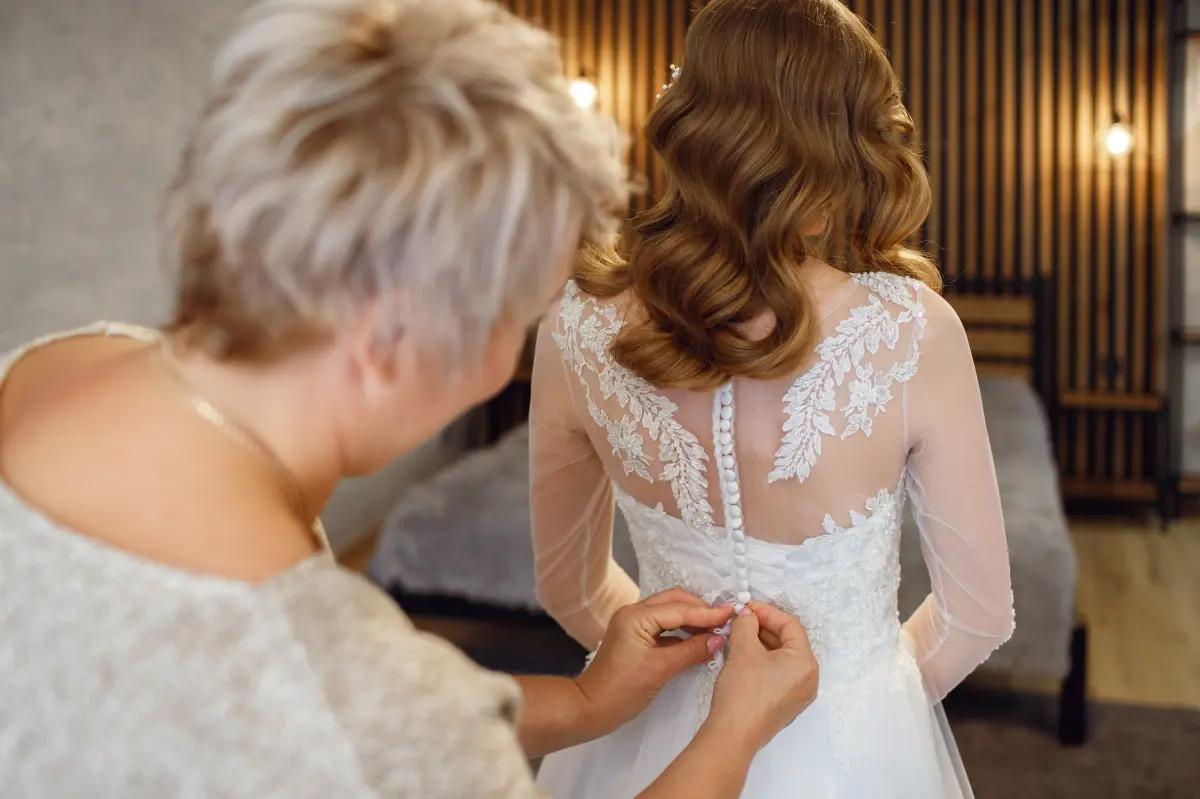
The wedding planning process is often described as one of life’s most stressful experiences, a crucible of competing desires, family dynamics, and financial considerations. But for one couple, the stress wasn’t coming from the usual sources of venue availability or catering choices. Instead, it came from two mothers who seemed determined to transform the intimate ceremony the bride and groom had envisioned into a grand spectacle of their own making. When a concerned father, identified only as “Doting Dad,” wrote to Dear Abby seeking advice on how to support his daughter against this parental onslaught, the advice columnist’s initial response became a lightning rod for criticism. Abby had suggested a compromise—allowing the mothers to host their own celebration for their friends—but many readers felt this missed the mark entirely. The letters poured in, each one more passionate than the last, all united in their conviction that the advice had been not only wrong but potentially harmful to the couple’s autonomy.
The readers who wrote in were united in their belief that the bride and groom were not merely planning an event but asserting their independence as a new family unit. One letter writer, signing off as “Don’t Back Down,” argued that giving in to these mothers’ demands would set a dangerous precedent, creating a pattern of manipulation that would extend far beyond the wedding day itself. The concern was not just about centerpieces or guest lists but about the fundamental right of a couple to make their own decisions about their lives. Another reader, using the name “Think Again,” pointed out an even more troubling aspect of Abby’s original advice: it sent a message to the bride that her wedding was not actually her wedding at all, but rather a stage production orchestrated by mothers eager to impress their social circles. This psychological framing was particularly damaging, suggesting that the daughter’s hopes and dreams should be sacrificed so that her mother and her future mother-in-law could bask in reflected glory and entertain their own associates.
The chorus of criticism continued with a reader who identified themselves as “Once in a Lifetime,” who questioned why the bride should have to put her dreams on the back burner to satisfy her mother’s social ambitions. This letter writer made an astute observation, noting that if the bride could afford to pay for her own intimate wedding, she should be able to plan it exactly as she wanted, with perhaps a small, special role for the mothers that didn’t involve taking over the entire event. The suggestion was that the mothers could be included in meaningful but limited ways—perhaps a special toast, a meaningful role in the ceremony, or involvement in specific aspects of the planning—without them being given free rein to transform the whole affair. The overwhelming sentiment across all these letters was that the couple needed to stand their ground firmly and collectively, telling both mothers to back off before the wedding became something they would all regret for years to come.
Abby’s response to this flood of criticism was remarkably gracious and self-reflective. In her own words, she acknowledged that she should have ended her original answer after the very first line, where she had agreed that the daughter should have the wedding she wanted. Instead, she had wavered, adding a compromise that many readers rightly interpreted as caving to the pushy mothers’ demands. In a moment of genuine humility, Abby realized that had one of the mothers written in to complain about the intimate wedding the bride had planned, she would have told that mother in no uncertain terms to back off and let the bride have her way. The double standard was apparent, and she owned it completely, apologizing to the couple for her wavering and thanking her readers for calling her out on the inconsistency. This moment of public accountability served as a powerful reminder that even the most experienced advice givers can sometimes lose sight of the core principle guiding their counsel, and that the wisdom of readers often provides the necessary corrective.
The second letter in this collection offers a striking contrast in tone and substance, shifting from the high-stakes drama of wedding planning to the quiet, everyday heroism of service workers. A woman from West Virginia, identifying herself simply as “Grateful,” wrote to express her profound appreciation for delivery drivers who had become her lifeline during an extended illness. For nearly a year, she had been unable to care for her own needs, with no spouse or significant other to help her. Before falling ill, she had used delivery services only rarely, perhaps for a pizza on a night when she didn’t feel like going out. Now, these drivers were the sole reason she had food on her table and medicine in her cabinet. Her letter was a touching testament to the invisible support systems that many people take for granted until they need them desperately. She apologized if her tips weren’t always the best, and implored the drivers to hang in there, assuring them that they performed more good than they would ever know.
Abby’s response to this grateful woman reinforced the importance of recognizing the often-unseen contributions of delivery workers. She acknowledged that being a delivery driver could seem like a thankless job, with long hours, traffic, and sometimes difficult customers, but she emphasized that these workers serve not only individuals who are homebound or otherwise unable to shop for themselves but also help keep local businesses afloat. Her response was a reminder that the economy of gratitude works in both directions: the woman was grateful for the drivers, and the drivers likely appreciated her kindness and recognition. Abby also used the opportunity to call on employers to compensate these essential workers fairly, noting that while tips are appreciated, fair wages are a matter of justice. The exchange served as a gentle counterpoint to the wedding drama, reminding readers that while it’s important to stand up for one’s boundaries in personal relationships, it’s equally important to acknowledge and appreciate the quiet contributions of those who make daily life possible for others.
Taken together, these two exchanges reveal something profound about the nature of human relationships and the importance of recognition and respect. The wedding controversy highlighted the dangers of letting well-meaning relatives steamroll over a couple’s wishes, and the importance of establishing boundaries early in a relationship. The apology from Abby demonstrated that even experts can miss the mark and that humility in the face of criticism is a virtue. The letter to delivery drivers underscored how easily we overlook the people who provide essential services to us, especially those who serve the vulnerable and the homebound. Both stories ultimately point to the same lesson: that every person deserves to be treated with dignity and respect, whether they are a bride trying to plan her own wedding or a driver bringing food to someone who cannot leave their home. The human impulse to control others, to impose one’s will, or to diminish someone else’s choices is strong, but the equally strong impulse toward gratitude, appreciation, and respect is what truly sustains a healthy society. Those who stand firm in their convictions—whether a couple protecting their wedding day or a grateful woman writing a thank-you note—ultimately contribute to a more just and caring world.