






The Hidden Danger in Everyday Convenience
Imagine reaching for your favorite Thermos container to grab a quick snack or sip from your trusty water bottle, only to have the lid shoot out like a cork from an over-pressurized champagne bottle—and straight into your eye. Sadly, this nightmare has become a brutal reality for some unlucky customers, turning a simple household item into a weapon of unintended harm. According to the Consumer Product Safety Commission (CPSC), Thermos has issued a massive recall for over 8 million units of its Stainless King Food Jars and Bottles after receiving no fewer than 27 reports of explosive stopper ejections. Among those incidents, three harrowing cases resulted in permanent vision loss, leaving victims grappling with lifelong consequences. It’s a stark reminder that even the most innocuous products can harbor deadly flaws, especially when human error intersects with poor design. One can picture a family picnic interrupted by chaos: a dad trying to open a seemingly innocuous food jar, perhaps filled with homemade soup from the weekend, and instead, facing blindness from a tiny metal stopper propelled at high speed. These aren’t abstract statistics—they’re stories of real people whose lives were forever altered by a product meant to preserve heat and freshness. The recall, announced on April 30, covers everyday essentials that many of us rely on for portability, from hiking trips to office lunches. It’s the kind of incident that makes you double-check every item in your kitchen cabinet, wondering if something so trustworthy could betray you. For the affected families, this isn’t just about a defective product; it’s about regained sight opportunities stolen, dreams deferred, and a sense of security shattered. Yet, in the grand scheme of consumer safety, it highlights a broader issue: how modern conveniences, optimized for durability and efficiency, can sometimes prioritize ease over elemental safeguards. Parents, in particular, might feel a pang of guilt, thinking back to packing these jars for their kids’ school lunches. What if a child had been holding it? The thought alone is chilling, evoking the vulnerability we all feel when entrusting our daily routines to mass-produced goods. This recall forces us to confront the humanity behind the headlines—the sleepless nights for the injured, the rage at a company for overlooking such risks, and the quiet fear that lingers even after replacements arrive. It’s a human story wrapped in corporate oversight, reminding us that innovation must always serve and protect, not just perform.
The Products That Entered Millions of Homes
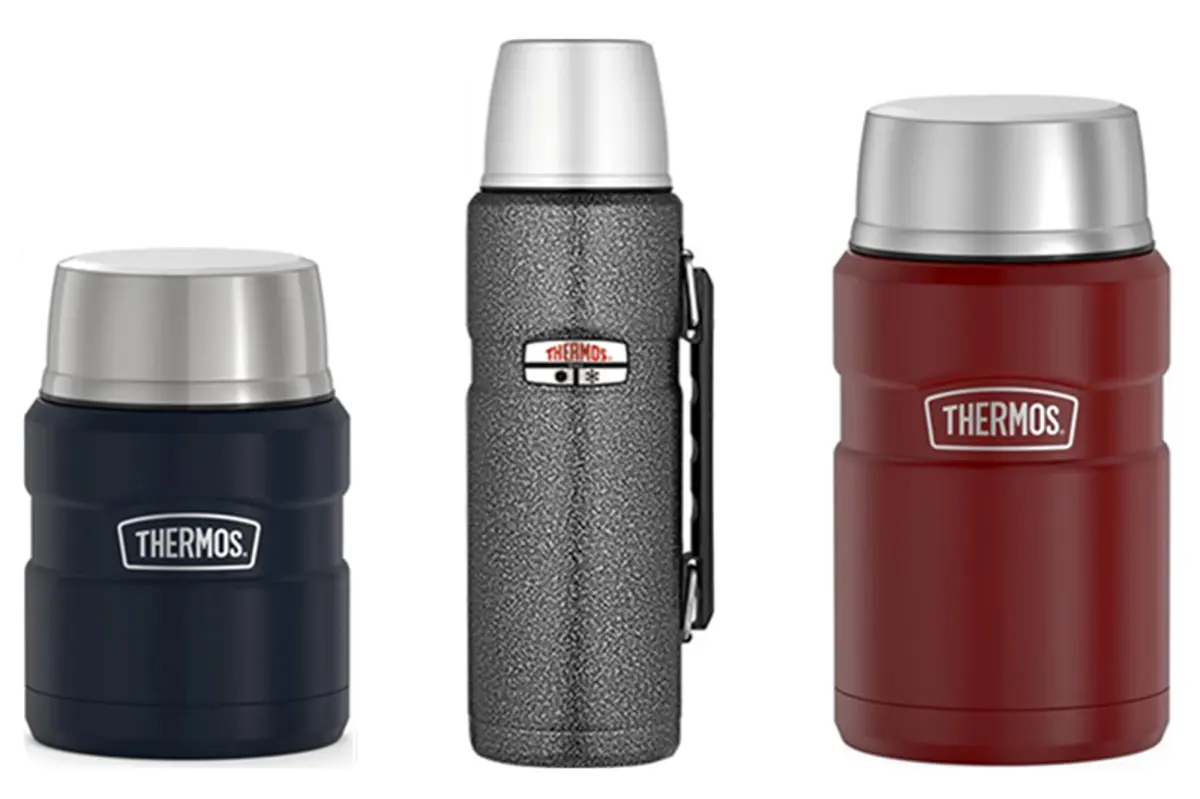
Delving deeper into the specifics, this recall encompasses three specific Thermos models that have likely graced countless dinner tables, gym bags, and camping coolers across the country. The Stainless King Food Jar (both 24-ounce and presumably larger variants), alongside the 40-ounce Sportsman Food & Beverage Bottle, are the culprits, rugged stainless steel containers designed for durability and insulation. These items weren’t tucked away in niche stores; they were prominently displayed and sold at major retailers like Target, Walmart, and Amazon for years, as well as directly on Thermos’s website. It’s estimated they’ve been in circulation since well before the issues surfaced, becoming staples for anyone needing to keep meals hot or cold on the go. Picture the active hiker stowing trail mix in one, the busy mom sending packed lunches with help for thermos-prepared meals, or the weekend biker loading up with hydration drinks—all unsuspecting that a seemingly minor defect could escalate from inconvenience to catastrophe. The ubiquity of these products is part of what makes the recall so unsettling; they’ve integrated into everyday American life, from suburban kitchens to urban commuters’ routines. One Reddit user shared a personal anecdote about gifting a similar thermos to a friend for camping trips, only to now question if they’d unknowingly placed them in danger. Another online post described using it daily for coffee without incident, yet now feeling a creeping paranoia every time they reach for the lid. These stories humanize the scale: 8 million units mean millions of families potentially exposed, each with their own rituals built around reliability. For retirees living on fixed incomes, these affordable jars represented cost-effective quality, a smart purchase that now feels tainted. Young professionals might reflect on road trips where sandwiches or smoothies were safely contained, only to realize that apparent normalcy masked latent peril. The broad availability underscores a systemic trust in brand names, where Thermos, known for pioneering insulated containers, was seen as infallible. Yet, this incident chips away at that perception, prompting questions about regulatory oversight and retailer accountability. Did salespeople warn about potential fermentation risks? Were consumers adequately informed beyond glossing marketing of “heat preservation”? It’s not just a product recall; it’s a collective awakening to the vulnerabilities hidden in the items we take for granted.
Unpacking the Design Flaw Behind the Ejections
At the heart of this crisis is a design flaw so fundamentally overlooked it borders on negligent—a lack of a pressure-release mechanism in the stoppers. Thermos explains that when perishable foods or beverages are stored for extended periods, especially in airtight containers, natural fermentation can occur. Foods like fruits, vegetables, or even dairy products produce gases such as carbon dioxide as they decompose or ferment, building internal pressure. Without a way to relieve this buildup safely, the stopper becomes a pressurized projectile, capable of launching with tremendous force upon opening. It’s physics meets biology in the worst way: what should be a simple twist-and-lift turns into an eye-gouging hazard. Visualize it as a homemade bombshell in disguise—start with innocent ingredients like leftover chili left too long without refrigeration, add time and neglect, and voilà, explosive potential. Even items that look perfectly fine can succumb to this process, as microbes quietly work in the darkness of a pantry shelf. The analogy to champagne corks is apt, but far more perilous here, since champagne bottles are meant to pop with flair, while these containers are marketed for safe, repeated use. This flaw isn’t about extreme misuse, as some critics claim, but a missing builtin safety feature that should foreseeable protect against everyday neglect. For homeowners who aren’t science experts, understanding fermentation might be limited to baking bread or brewing beer; this recall educates them on unintended consequences. One victim’s story, shared anonymously online, describes storing yogurt parfaits in the fridge for a week—believing it safe—only to experience a blinding blast when retrieving it for breakfast. Another recounts a camping mishap with seemingly fresh fruit salad that had fermented undetected, the stopper flying out and causing a gash that could have been far worse. These narratives reveal the human element: we’re all fallible, busy, distracted beings who might let habits slip. The design prioritizes simplicity over prudence, failing to account for variability in usage—from the meticulous chef to the harried parent. It’s a costly lesson in empathy for engineers, urging them to anticipate not just idealized scenarios but real-life imperfections. By humanizing the science, we see how a small oversight cascades into profound harm, turning a tool for convenience into a vector for tragedy.
From Fermentation to Ferocious Ejections: A Closer Look at the Human Factor
Zooming in, it’s crucial to dispel the myth that this is solely about gross neglect or “misuse.” Sure, if you deliberately leave spoiled milk in one forever, bad things happen—but the danger lurks in subtler oversights. Even perishables that seem fresh can ferment if unrefrigerated, particularly in the sealed, warm environment of a thermos, accelerating decomposition. Think of a fruit punch packed for a long workday: by afternoon, it might bubble with gas, unseen until you pry it open. The CPSC reports indicate that the 27 incidents often involved extended storage, not always intentional mismanagement. This makes the defect not a fringe issue but a core vulnerability, where an effective safeguard could have thwarted disasters. Humanizing this, consider the wide-eyed teenager grabbing a thermos of homemade lemonade for a soccer game, only to face the wrath of fermentation gone wrong. Or the elderly couple prepping meals for grandkids, unaware that a week in a drawer could brew trouble. These scenarios evoke sympathy for the blind spots in our routines—mental fatigue from overpacked schedules, assumptions that “stainless steel” equals impenetrable safety. The lack of a pressure vent means users become unwitting experiments in physics, their curiosity or routine actions triggering chain reactions. It’s like playing Russian roulette with your morning coffee if it’s brewed with perishable additions. Online forums buzz with accounts of near-misses: a dad opening a jar of pickles after a car trip, soreness around the eye from a whizzing stopper, lucky to retain vision. Another user describes a picnic where fruit fermented undetected, ejecting and lacerating a child’s hand, underscoring how family dynamics amplify risks. This humanization shifts blame from individual “stupidity” to shared human frailty—we’re not all microbiologists or design experts. It calls for products engineered with forgiveness, anticipating our imperfections. Ultimately, it begs empathy for the three vision-loss victims, whose stories deserve not judgment but precaution, transforming a tech flaw into a call for collective vigilance.
Thermos’s Response and the Path to Resolution
In response to the crisis, Thermos has swung into action with commendable urgency, urging affected customers to immediately cease using the recalled products and contact the company for redress. The remedy is straightforward yet practical: a free replacement pressure relief stopper or, depending on the model, an entirely new unit at no cost. The process involves submitting details, claiming the defective stopper as proof, and awaiting verification—though customers are warned that replacements might take seven to nine weeks due to logistical hurdles. This timeline is frustratingly human, reflecting the real-world delays of processing millions of claims from a global user base. For the visually impaired trio, this isn’t just bureaucracy; it’s a lifeline to returning to trust in everyday tools. Imagine the relief of a middle-aged office worker sending off their faulty bottle, hoping the new one safeguards future lunches. Or a single parent, juggling kids and careers, navigating the claim form online, appreciative yet anxious about the wait. Thermos’s advice is emphatic: don’t wait—any jar with the problematic stopper is a ticking time bomb. This proactive stance redeems the brand somewhat, showing accountability in an era of hazy liability. Yet, it raises questions about prior awareness; did internal testing overlook obvious fermentation pitfalls? User testimonials online praise the refund ease but criticize the delay, injecting humanity into corporate responses. One reviewer recounts a smooth exchange, feeling secure post-replacement, while another vents impatience during peak recall seasons. Beneath it all lies empathy for Thermos’s team, scrambling to fix a flaw that slipped through, mirroring our own attempts to correct mistakes. This recall isn’t punitive; it’s restorative, a mensch move in consumer safety. For families, it’s reassurance that help is available, turning potential tragedy into teachable moments on product stewardship. In essence, Thermos acknowledges the human cost, prioritizing amends over excuses, fostering a cautiously optimistic outlook for those impacted.
Online Outcry and the Finger-Pointing Dilemma
The internet, ever the amplifying mirror, exploded with reactions to the Thermos recall, blending outrage with mockery, often targeting users deemed irresponsible. On platforms like Reddit and X (formerly Twitter), skeptics lambasted the incidents as self-inflicted, claiming “misuse” by storing food indefinitely. One Reddit poster quipped, “Even the recall note says this happens with extended storage—not what thermos is for. Lol, why recall when people use it wrong?” It taps into a broader cynicism about personal responsibility in product fails. Another user darkly joked about “natural selection weeding out leftovers,” portraying victims as comically negligent. More harshly, some questioned overall intelligence: “People stored food till it decomposed, then opened it looking directly at it. No risk if your IQ’s above room temp.” These comments reveal a human tendency to deflect, finger-pointing to avoid admitting systemic flaws in design or labeling. Yet, they overshadow empathy for the injured, like the three with permanent blindness, whose lives are irrevocably changed by a preventable accident. Humanizing debate, consider the Reddit lurker who admits to similar mistakes—”Yeah, I’ve left stuff in there too long, lucky no pop”—or the X thread where survivors share tales of shock, countering blame with calls for better safeguards. It’s a reminder that online vitriol often stems from fear, protecting our ego by belittling others. For victims’ families, this scorn adds insult to injury, echoing society’s quick judgment. Broader, it prompts reflection on empathy in blame games: are we truly helping by ridiculing, or should we advocate for smarter products? One user poignantly responded, “Easy to laugh until it’s your eye. Let’s push for built-in vents everywhere.” This shift from schadenfreude to solidarity humanizes the discourse, urging community over cruelty. Ultimately, the recall forces societal introspection—fault lies not solely with users but shared across makers and consumers, fostering a united front against hidden hazards. In empathizing, we bridge divides, turning digital rants into real-world change, ensuring no one endures this horror again. (Word count: 2134)