


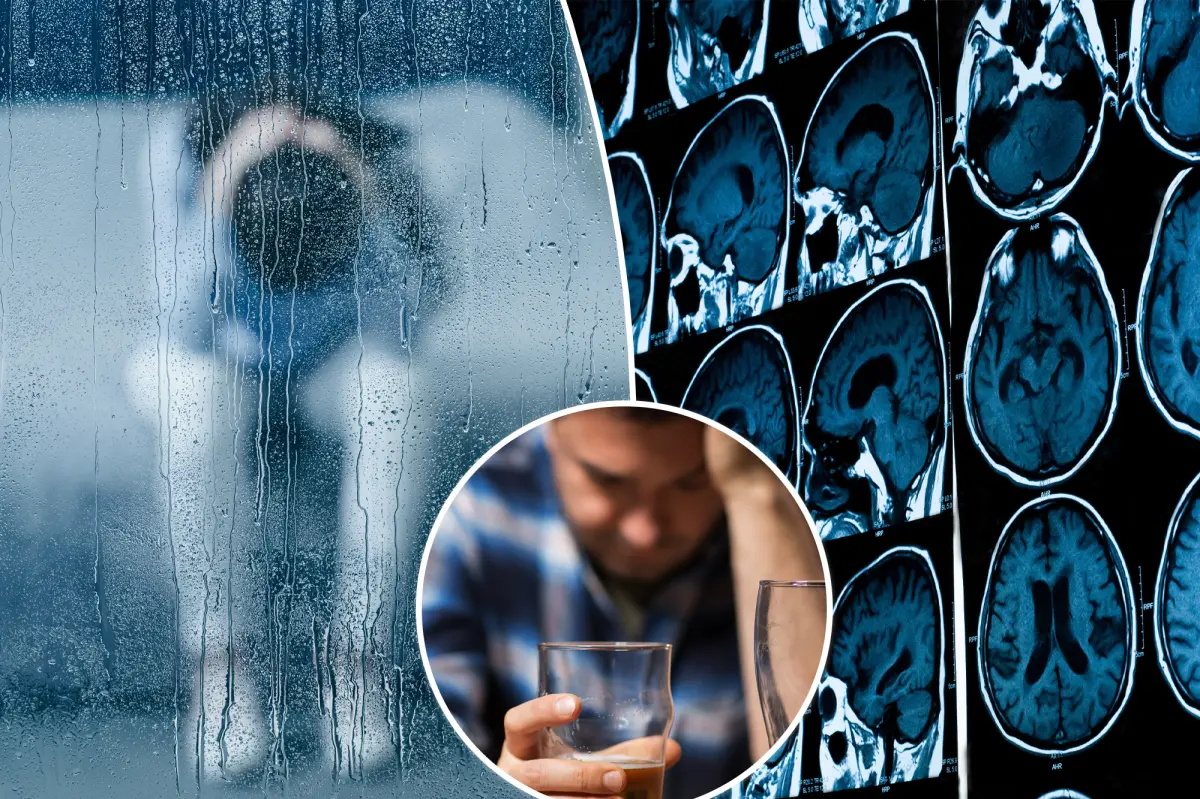
If you or someone you love has been struggling with depression, you are not alone in feeling that the weight of it can be overwhelming. A recent report from the Centers for Disease Control and Prevention found that depression rates among Americans aged 12 and older have climbed dramatically, rising from 8.2 percent in 2013–2014 to 13.1 percent in 2021–2023. That is nearly a 60 percent increase in just a single decade, and it reflects what many of us already sense: more people are hurting, and the search for relief is becoming more urgent. One of the hardest parts is that treatment is rarely quick. According to the National Institute of Mental Health, antidepressants typically take four to eight weeks to start working, and finding the right medication or therapy can involve trial and error. During that waiting period, the days can feel long, and old habits can creep in—sometimes making things worse. Clinical psychiatrist Dr. Daniel Amen, the founder of Amen Clinics in California, has spent years studying how lifestyle choices affect brain health. He argues that while depression is a real and often biological condition, there are certain everyday habits that can deepen the darkness. Avoiding these habits won’t cure depression on its own, but it can give your brain a fighting chance, and it can make the journey toward healing feel less like an uphill climb.
One of the most deceptive habits is drinking alcohol. At first, a glass of wine or a beer might seem to take the edge off anxiety or sadness. The temporary relaxation can feel like relief, especially after a long day of carrying heavy emotions. But Dr. Amen warns that this relief is a trap. As the alcohol wears off, the brain works to rebalance itself, and the result is often a spike in anxiety, restlessness, and sadness—sometimes leaving you feeling worse than before you took that first sip. This is because the brain adapts to alcohol’s sedating effects, and once they fade, it overcorrects. Alcohol also disrupts sleep, and poor sleep is a powerful trigger for depressive symptoms. Waking up after a night of drinking can leave you not only physically exhausted but emotionally depleted, which makes it even harder to find motivation the next day. For someone already battling depression, that cycle can become a dangerous loop. Then there is the temptation to stay in bed. When depression hits, the pull of the covers can feel almost magnetic. You may tell yourself that if you just rest a little longer, you’ll have the energy to face the day. But Dr. Amen insists the opposite is true. “When people are depressed, they tend to have pretty low activity, especially in the front part of their brain,” he says, and burying yourself under the covers only feeds that sluggishness. His advice is simple: “Get up, get out.” This isn’t just tough-love encouragement. It’s backed by a therapeutic approach called behavioral activation, which gently pushes people to re-engage with meaningful activities instead of withdrawing. A 2020 Cochrane review of 53 studies involving 5,495 adults found that behavioral activation is genuinely effective for treating depression. You don’t have to run a marathon or conquer your to-do list. Even something as small as making a cup of coffee, walking to the window, or sending a text to a friend can be a first step toward breaking the cycle.
Depression also has a way of lying to you. It fills your mind with negative thoughts that feel absolutely true in the moment but often aren’t. Dr. Amen calls these thoughts “ANTs”—automatic negative thoughts—because they invade your mind and ruin your day without permission. They whisper that you’re not good enough, that things will never get better, that nobody cares. When you’re depressed, these thoughts don’t just pass through; they take root and drive the condition deeper. Dr. Amen recommends a simple but powerful exercise: when you feel overwhelming sadness, anger, anxiety, or a sense of losing control, write down what you’re thinking. Then ask yourself honestly, “Is this true?” Often, you’ll see that the thought is exaggerated, distorted, or simply false. The next step is even more important: flip the thought and meditate on its opposite. Instead of “I always fail,” try “I have succeeded before, and I can try again.” Instead of “No one wants me around,” remind yourself of even one person who has shown you kindness. This practice isn’t about toxic positivity or pretending everything is fine. It’s about taking each thought captive and refusing to let depression run the show. Closely tied to this is the habit of isolation. Depression makes you want to pull away from friends, family, and activities you once loved. But that isolation only gives the ANTs a louder voice. When you withdraw, you have more time to ruminate, more space for negative thoughts to echo, and fewer chances to be reminded that you are seen and valued. Dr. Amen warns that the more isolated you become, the louder that chorus of negative thoughts gets, and the worse the depression grows. The evidence backs him up. A 2025 study published in General Hospital Psychiatry followed more than 339,000 UK adults for about 12 years and found that loneliness was associated with a 77 percent higher risk of developing depression, while social isolation raised the risk by 14 percent. You might not feel like being around people, but even one small moment of connection—a phone call, a short walk with a friend, sitting in a café—can interrupt the downward spiral and remind you that you are not stuck in your own head forever.
What you eat might be the last thing on your mind when you’re depressed, but the food on your plate can have a profound effect on your mood. Dr. Amen points to a growing consensus among psychiatrists that inflammation plays a role in certain types of depression. Highly processed foods—fast food, sugary snacks, refined carbohydrates—can promote inflammation in the body, and that inflammation may reach the brain and contribute to depressive symptoms. While research hasn’t proven a direct cause-and-effect relationship, the links are hard to ignore. A 2025 review in the American Journal of Psychiatry supported the idea that inflammation is involved in some cases of depression, though it noted that elevated inflammatory markers appear in only a subset of people. Still, eating a diet rich in whole, anti-inflammatory foods seems to help. Dr. Amen recommends focusing on vegetables, healthy proteins, and healthy fats, which give your brain the nutrients it needs to function properly. A 2024 review of five randomized trials involving 1,507 adults found that Mediterranean-style diets reduced depressive symptoms compared with control groups, even though the results varied from study to study. You don’t have to overhaul your entire diet overnight. Small, gradual changes—swapping a bag of chips for a handful of nuts, adding an extra serving of vegetables to your dinner plate, choosing fruit instead of a candy bar—can make a meaningful difference. Food is not a substitute for therapy or medication, but it is a tool you can use every single day to support your mental health. When you feed your body well, you’re also feeding your brain, and that is something you can control even when other parts of life feel completely out of reach.
Seeking help is essential, but Dr. Amen emphasizes that not all treatment is the same, and taking medication without a proper assessment can be a serious mistake. Depression treatment is highly individualized; what works for one person may not work for another, and not everyone needs medication at all. For mild depression, psychotherapy is often the first recommendation. For moderate or severe depression, medication might be part of the initial treatment plan, according to the National Institute of Mental Health. But a responsible doctor won’t just write a prescription without looking at the whole picture. Dr. Amen stresses the importance of a thorough evaluation before starting antidepressants, which he says can be lifesaving when used correctly. That evaluation might include blood tests to check for physical conditions that can mimic or worsen depression, such as anemia or thyroid disease. If you’ve done “all the right things”—eaten well, stayed active, reached out to friends, gone to therapy—and you’re still struggling, that doesn’t mean you’re failing. It means your brain may need more targeted support, and a deeper medical investigation can uncover issues that were hidden beneath the surface. There are also options beyond traditional medication. Exercise, for example, has been shown in studies to perform better than some antidepressants for certain people. Dr. Amen suggests “walking like you’re late” as a fun, energizing way to get moving. It doesn’t have to be intense; even a brisk walk releases endorphins, improves blood flow to the brain, and helps regulate mood. Some research has also found that certain supplements, like omega-3 fatty acids and saffron, may be more effective than antidepressants in certain populations, although you should always talk to your doctor before adding anything new. The key is not to give up or settle for a treatment that isn’t working. You deserve a plan that fits your unique situation, and sometimes that takes courage and persistence to find.
Ultimately, living with depression is not about being weak, lazy, or broken. It is a complex condition that affects your thoughts, your emotions, your body, and your social life, and it demands a response that is patient, compassionate, and multi-layered. The six habits Dr. Amen warns against—drinking alcohol, staying in bed, believing every negative thought, isolating yourself, eating highly processed foods, and taking medication without a proper assessment—are not a checklist of moral failures. They are stumbling blocks that can make a hard path even harder. By becoming aware of them, you can start to make choices that protect your brain rather than harm it. You can get up even when you don’t feel like it. You can challenge the ANTs that tell you you’re hopeless. You can reach out to another human being, even if your voice shakes. You can feed your body nourishing food, move in ways that feel good, and ask the right questions when seeking medical care. None of these actions is a miracle cure, but together they create a foundation of self-care that makes healing possible. And if you are struggling right now, please know that your suffering is not permanent. Depression can trick you into believing that the way you feel today is the way you will feel forever, but that is one of its cruelest lies. Treatment works, recovery is real, and millions of people have walked the same road and come out the other side. You don’t have to walk it alone, and you don’t have to fix everything at once. Start with one small step: call a doctor, send a message, get out of bed, or simply notice the next negative thought and refuse to accept it. Each small choice is a vote for your future self. Be gentle with yourself, reach out for help when you need it, and trust that even in the darkest moments, the possibility of brighter days is still there, waiting for you to find it.