

The Surprising Economics of Online Fandom in America
In an era where digital connection often replaces physical interaction, a fascinating economic phenomenon has taken root across the United States. Americans are spending unprecedented amounts of money on subscription-based content platforms, demonstrating a willingness to invest heavily in direct relationships with online creators. What was once considered a niche market has exploded into a multi-billion dollar industry that now rivals traditional entertainment sectors. The numbers tell a compelling story about how modern consumers value personalized content and intimate digital experiences, transforming the way we think about entertainment spending and creator compensation.
A Record-Breaking Surge in Subscription Spending
The financial landscape of subscription content has reached extraordinary heights, with global spending projected to hit $8.5 billion annually. This represents a remarkable 10.25% growth rate, accelerating significantly from the previous year’s 7.6% increase. The momentum shows no signs of slowing, as consumers are projected to spend nearly $800 million more this year alone. Looking at the bigger picture, the past three years have seen cumulative global spending exceed $21 billion on this type of content. The United States stands at the forefront of this spending boom, with American consumers projected to contribute over $5.2 billion this year, marking an impressive 8.9% increase from 2025. These figures suggest that what began as a niche platform has evolved into a significant force in the digital economy, capturing the attention and wallets of millions of consumers worldwide.
America’s Biggest Spenders: A City-by-City Breakdown
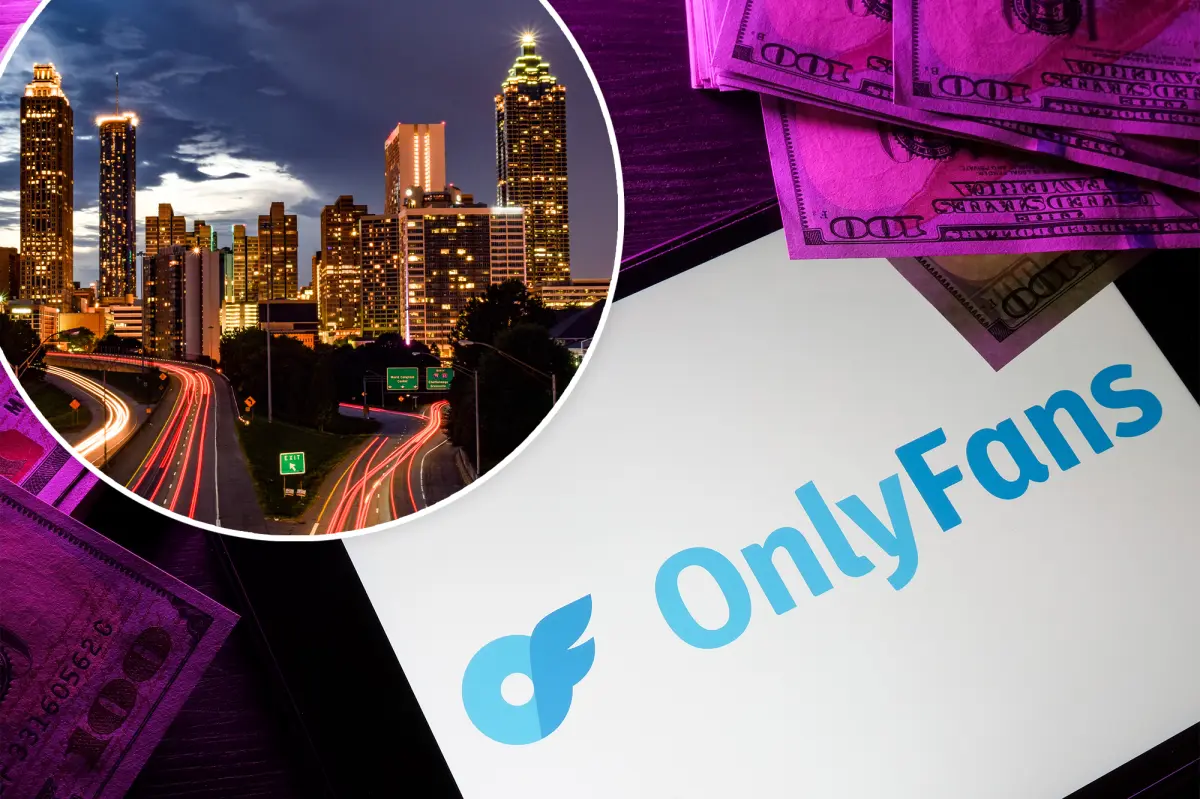
The geographic distribution of this spending reveals fascinating patterns in American consumer behavior. Atlanta has emerged as the undisputed leader, with residents spending an extraordinary $1.09 million for every 10,000 adults in the city. The Georgia capital’s total contribution of $26.2 million represents a nearly 6% increase from the previous year, suggesting that the city’s appetite for subscription content continues to grow. Florida has proven to be a powerhouse in this arena, with Orlando and Miami securing the second and third positions respectively, spending $940,796 and $740,575 per 10,000 adults. The Pacific Northwest has also shown its enthusiasm, with Seattle ranking fourth at $716,891 per 10,000 adults, while Minneapolis rounds out the top five at $693,323. Perhaps most striking is the complete dominance of American cities in the global rankings, with U.S. municipalities claiming all top eight positions worldwide for per capita spending.
State-Level Insights and Regional Patterns
At the state level, North Dakota and Nevada have emerged as the leaders in per capita spending on subscription content, showcasing how even less-populated regions can demonstrate significant financial commitment to digital entertainment. New York State holds the record for total contribution, with residents having spent over $850 million since 2023. The Empire State’s spending patterns continue to impress, with projections suggesting $341.9 million in annual contributions this year. New York City alone accounts for $164.3 million, translating to $237,805 per capita. Perhaps most intriguing is the breakdown of how these funds are distributed: Gotham’s residents are spending a substantial $115 million specifically on direct messages and personalized requests from creators. This preference for direct, interactive engagement over pre-recorded content reveals a strong desire for personalized attention and customized experiences in the digital realm.
The Human Side of Economic Data
Behind these staggering numbers lies a human story of connection, support, and the evolving nature of celebrity interaction. The platform currently hosts 4.63 million creators globally, each navigating the complex economics of digital content creation. While high-profile creators earn millions and dominate headlines, the reality for most is far more modest—the average creator earns approximately $131 per month after the platform takes its 20% commission. This stark contrast between the top earners and the average creator reflects broader trends in the gig economy and creative industries. The willingness of Americans to spend billions on this platform suggests a genuine appetite for authentic connections with content creators, moving beyond the polished, produced entertainment of traditional media toward something more personal and direct. This shift represents a fundamental change in how audiences engage with content and creators, prioritizing authenticity and accessibility over production value.
The Changing Face of Entertainment Spending
The economic impact of this subscription content boom extends beyond simple entertainment spending, signaling a transformation in how Americans value digital experiences and personal connections. The industry’s consistent growth—from $7.7 billion to $8.5 billion in just two years—demonstrates not just a passing trend but a fundamental shift in consumer behavior. This sustained growth suggests that subscription-based content has become integrated into the regular spending habits of millions of Americans, much like streaming services or video game purchases. The pattern of spending is particularly telling: consumers are increasingly choosing to pay for direct access to creators rather than consuming free content with advertisements. This preference for community and connection over mass-market entertainment speaks to a broader cultural shift toward personalization and direct support of individual creators. As this industry continues to evolve and expand, it raises important questions about the future of entertainment, the nature of celebrity culture, and how we value creative work in the digital age. The data reveals not just spending patterns, but a deeper story about human connection in an increasingly digital world.