






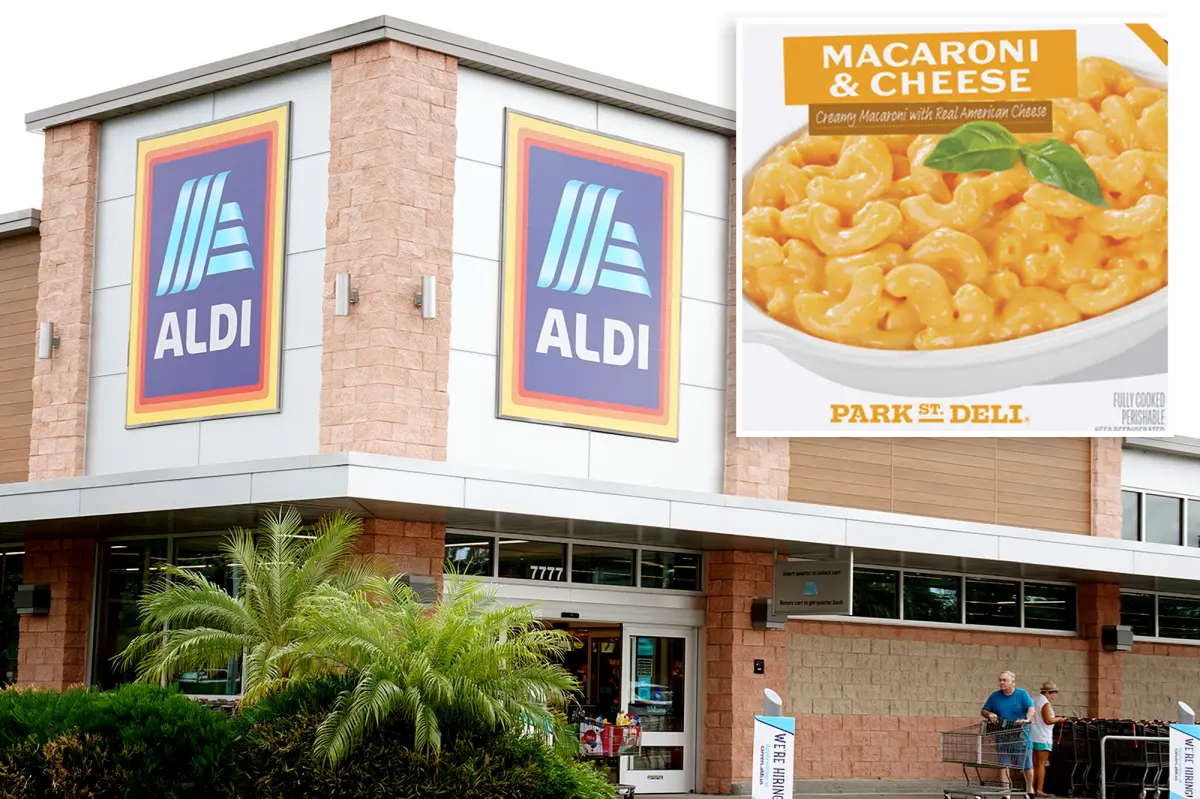
Macaroni and cheese holds a special, almost sacred place in the heart of the American kitchen. It is the ultimate comfort food—a quick, warm, and reliable savior for busy parents on frantic weeknights, a beloved side dish at family barbecues, and a nostalgic treat that transcends generations. For countless shoppers browsing the aisles of their local Aldi, picking up a tub of Park St. Deli Macaroni & Cheese was a simple, everyday choice designed to bring a bit of effortless joy to the dinner table. However, that comforting routine was suddenly disrupted when news broke of a massive nationwide recall affecting more than half a million packages of this popular deli staple. The recall was triggered by a labeling omission that failed to declare the presence of soy lecithin, a common ingredient derived from soybeans. For most people, this omission is minor, but for families living with severe soy allergies, it represents a hidden danger lurking inside a familiar cardboard sleeve. The sheer scale of the recall, spanning hundreds of thousands of households across the country, serves as a stark reminder of how quickly a trusted, everyday meal can transform into a source of deep anxiety for vulnerable consumers.
Behind every major safety notice lies a complex network of manufacturing, regulation, and logistics. In this particular case, the recall centers on exactly 58,405 cases of the Park St. Deli Macaroni & Cheese, which translates to a staggering 525,645 individual 20-ounce plastic tubs sold inside paperboard sleeves. The product’s manufacturer, BEF Foods Inc., originally recognized the labeling oversight and took proactive, voluntary action to initiate the recall on March 23. Months later, on June 10, the Food and Drug Administration officially designated the situation as a Class II recall. To the average shopper, bureaucratic terms like “Class II” can sound incredibly intimidating and clinical, but the FDA uses this classification to provide a clear, measured assessment of risk. A Class II designation means that while exposure to the product may cause temporary or medically reversible adverse health consequences, the probability of serious or life-threatening complications is relatively remote. While this classification offers reassurance that the public is not facing an immediate, widespread catastrophe, it still demands serious attention and swift action to protect those whose bodies react violently to secretly tucked-away allergens.
To truly understand what went wrong, it helps to demystify the ingredient at the center of the controversy: soy lecithin. Though its name sounds highly chemical and scientific, lecithin is actually a group of naturally occurring compounds that the human body actively relies on to transport, disperse, and process fats. It is found in abundance in many of the wholesome foods we eat every day, including rich egg yolks, wheat germ, peanuts, beef liver, and, of course, soybeans. Most home cooks are already familiar with lecithin without even knowing it, as it is the very substance responsible for the slick, oily film left on a frying pan when using a nonstick cooking spray. In the broader food industry, soy lecithin is highly prized as an emulsifier—a physical peacemaker that allows substances like oil and water, which naturally refuse to mix, to blend together into a smooth, stable, and pleasing texture. From creamy salad dressings to smooth chocolate bars and velvety macaroni sauces, soy lecithin is the invisible hand that keeps food from separating into unappealing layers. However, because it is derived from soy, it carries the specific proteins that can trigger an overreactive immune response in sensitive individuals.
For the millions of families managing food allergies, meticulous label-reading is not a casual habit; it is a life-saving, daily discipline that turns every trip to the supermarket into a high-stakes exercise in vigilance. Navigating a world where major allergens like soy, dairy, gluten, and nuts are woven into almost every processed food requires constant alertness and a heavy dose of trust. When a manufacturer fails to declare an allergen on a product label, that crucial bond of trust between the food producer and the consumer is broken, leaving families feeling exposed and anxious. Soy allergies can manifest in a wide range of distressing ways, from hives, swelling, and severe digestive distress to dangerous respiratory issues. Knowing that a favorite, comforting meal like macaroni and cheese could accidentally send a child to the emergency room is a heavy emotional burden for parents to carry. This incident highlights the profound human impact of food labeling laws, illustrating that clear ingredient lists are not just dry regulatory requirements, but are instead a vital safety net designed to protect real people, real families, and real peace of mind.
If you suspect that your refrigerator might be harboring one of these recalled packages, the path forward is simple, reassuring, and completely free of hassle. First, take a moment to inspect any Park St. Deli Macaroni & Cheese tubs you may have recently purchased from Aldi, paying close attention to the 20-ounce plastic containers housed inside their signature paperboard sleeves. If your product matches the recalled batch, health officials and consumer advocates strongly urge you to refrain from eating it, even if no one in your immediate household has a known soy allergy. Instead of throwing the food away and losing your hard-earned money, you can return the affected packages directly to your local Aldi store for a full, unconditional refund. The retail staff at Aldi are fully prepared to handle these returns quickly and compassionately, ensuring that you are not left out of pocket due to a manufacturing error. By taking these straightforward steps, you can easily clear your kitchen of any potential risks while helping the community-level recovery effort run smoothly and successfully.
Looking at the bigger picture, this sweeping recall offers a valuable moment to reflect on the immense complexity of our modern global food supply chain. Every day, millions of tons of ingredients are sourced, processed, packaged, and transported across massive distances before they finally arrive in our local grocery stores, requiring an extraordinary level of precision, care, and oversight. While sophisticated manufacturing facilities utilize advanced quality control systems, the occasional human or mechanical error is a reality of high-volume food production. The swift decision by BEF Foods Inc. to voluntarily recall the products, combined with the regulatory oversight of the FDA and the quick cooperation of Aldi, shows that our food safety systems are working exactly as they should to identify errors and protect the public. In an era where food production can feel distant and industrialized, transparent communication and rapid accountability are key to rebuilding consumer confidence. Ultimately, keeping our tables safe is a shared responsibility, and every recall serves as an opportunity for the food industry to refine its practices, upgrade its standards, and honor the trust we place in them every time we feed our families.