




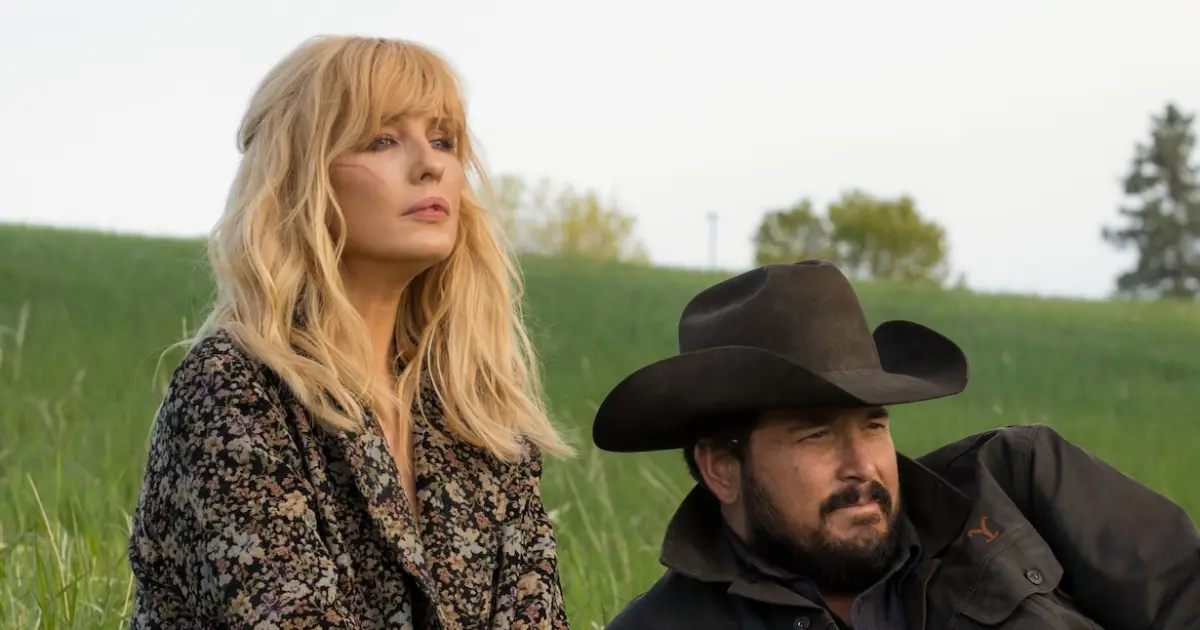
The sprawling, sun-drenched, and notoriously blood-soaked landscape of the modern American Western has found its definitive crown jewel in the cultural titan that is Yellowstone. At the beating, bruised heart of this narrative empire is an on-screen partnership that has captured the collective imagination of millions: the fiery, uncompromisingly brilliant Beth Dutton, played with devastating precision by British actress Kelly Reilly, and the fiercely loyal, quiet enforcer Rip Wheeler, brought to life with a rugged, magnetic intensity by Cole Hauser. These characters have evolved far beyond the boundaries of standard television protagonists; they have become modern-day cultural icons, representing a raw, untamed ethos of devotion, survival, and fierce familial protectiveness that resonates deeply in an increasingly digitized and fragile world. It came as no surprise when Paramount announced that this beloved power couple would be the focal point of their very own highly anticipated spinoff, Dutton Ranch. The announcement promised to extend the rich legacy of Taylor Sheridan’s overarching universe, giving fans a deeper, more intimate look into the gritty realities of ranching life and the endless parade of adversaries seeking to tear down the Dutton legacy. But as anyone familiar with the entertainment industry knows, the creation of high-stakes, prestige television is rarely a smooth, linear ride. Almost immediately, the anticipation surrounding the new series was forced to share the spotlight with a flurry of behind-the-scenes drama, culminating in a sudden, high-profile creative shakeup that threatened to overshadow the launch of the series itself. The sudden exit of the show’s initial showrunner, Chad Feehan, sent shockwaves through the industry, leaving fans and commentators alike wondering how this sudden shift in creative leadership would affect the trajectory of a show that carries the immense weight of a multi-billion-dollar franchise on its shoulders. Within this pressure cooker of public scrutiny and creative transition, the real-life counterparts of Rip and Beth had to navigate not only their complex characters but also the delicate task of maintaining professional stability amidst a storm of media speculation and corporate restructuring.
Breaking their silence on the matter, Kelly Reilly and Cole Hauser addressed the sudden creative departure with the kind of seasoned, level-headed pragmatism that can only be forged through decades of navigating the unpredictable and often turbulent waters of Hollywood. Speaking to The Hollywood Reporter in a candid joint interview, Hauser, 51, stripped away the sensationalized drama often manufactured by the media, offering a grounded and realistic perspective on the nature of their industry. “Showrunners change all the time,” Hauser noted, emphasizing that the entertainment business, at its core, is a constant exercise in flexibility, resilience, and evolution. “This business is about adapting. We’ve been doing this for a long time. Things change. People move on.” His words reflect a profound understanding of the transient nature of television production, where the alignment of creative visions, logistical demands, and personality dynamics is a fluid process rather than a static guarantee. Reilly, 48, mirrored her co-star’s grounded outlook, refusing to let the behind-the-scenes complications overshadow the immense pride she feels for the work they put onto the screen. She fondly recalled finishing the first season with Feehan, describing it as a beautiful collaboration, before expressing immense satisfaction with how they wrapped up the subsequent episodes together. “It was a really difficult but really satisfying show to make,” Reilly reflected, drawing a direct parallel to the grueling yet deeply rewarding experience of producing Yellowstone itself. Rather than dwelling on the corporate disagreements or creative friction that may have taken place behind closed doors, Reilly chose to elevate the conversation, focusing instead on the shared artistic triumph of the cast and crew. This ability to find beauty and satisfaction in the face of intense creative demands and unexpected structural shifts highlights the seasoned professionalism of both actors, demonstrating that they are just as resilient and adaptable in real life as the rugged characters they portray on the screen.
The drama surrounding Chad Feehan’s exit from Dutton Ranch offers a fascinating but cautionary glimpse into the intricate and volatile ecosystems that define modern prestige television sets. Before the highly anticipated spinoff made its grand premiere to audiences, Feehan—who had previously established a strong creative bond with the broader Taylor Sheridan universe by successfully co-producing Lawmen: Bass Reeves—was firmly positioned at the helm of the production. However, reports quickly surfaced indicating that Feehan would not be returning to lead the show’s charge, with whispers of deep-seated friction behind the scenes beginning to circulate throughout the industry. According to reports, the tension did not stem from a dissatisfaction with the actual stories Feehan was writing; his scripts were widely regarded as strong, compelling, and deeply aligned with the gritty aesthetic of the franchise. Instead, the friction allegedly arose from the logistical and operational realities of how the production was being managed. Industry insiders suggested that series creator Taylor Sheridan, along with his key producing partner David Glasser, and the show’s powerhouse lead actors, Hauser and Reilly, were increasingly unhappy with the day-to-day management of the physically demanding and fast-paced shoot. Making a show like Dutton Ranch is not a simple studio-bound affair; it requires managing massive outdoor locations, unpredictable weather, complex livestock stunts, and a sprawling cast, all while maintaining a relentless production schedule. When the operational gears of a production begin to grind, it can create a ripple effect of exhaustion and frustration that quickly alienates both the executive producers and the key talent who are pouring their hearts and souls into every take. Feehan’s departure highlights the delicate balance that a showrunner must strike between being an artistic visionary who constructs compelling narrative worlds and an efficient corporate manager capable of orchestrating a massive, multi-million-dollar logistical operation without burning out the cast and crew.
To truly understand the showrunner shakeup on Dutton Ranch, one must view it within the broader, highly unique context of Taylor Sheridan’s rapidly expanding television empire, which has consistently challenged the traditional hierarchies of Hollywood production. Sheridan, a prolific writer and director who operates with a singularly focused and uncompromising creative vision, has built a massive stable of hit shows, including Yellowstone, 1883, 1923, Tulsa King, Lioness, and Frisco King. But with such a vast network of narratives under his belt, the traditional model of television showrunning has often undergone significant strain and frequent restructuring within his universe. Spinoffs and sibling shows in the “SheridanVerse” have historically seen high-profile creative shifts, with several series cycling through showrunners or, in some cases, choosing to operate without a designated, traditional showrunner from one season to the next. Sheridan’s highly centralized, auteur-driven writing process—where he often personally writes the vast majority of the episodes for his series—naturally creates a unique environment where traditional showrunners may find themselves acting more as line producers or operational coordinators rather than primary creative forces. This distinct hierarchy can lead to an inherent tension between incoming showrunners, who are accustomed to having complete creative autonomy over their television domains, and the deeply established ecosystem of Sheridan’s trusted circle, which includes long-time producing partners like David Glasser and core actors who have lived with these characters for years. For seasoned stars like Reilly and Hauser, who have spent nearly a decade embodying the spirit of the Dutton family saga, their creative instincts and understanding of their characters carry massive weight, meaning that any new creative leader must not only align with Sheridan’s overarching vision but also earn the deep trust and respect of the actors who are the public face of the franchise.
In the wake of Feehan’s abrupt departure, other key members of the Dutton Ranch creative team have faced the delicate task of addressing the media without disrupting the positive momentum of the show’s release. Executive producer and director Christina Voros broke her silence regarding the situation, offering a masterclass in professional diplomacy and creative grace during a conversation with ScreenRant. Rather than diving into the sensationalized rumors or confirming specific details of the behind-the-scenes rift, Voros chose to shine a spotlight on the undeniable artistic contributions that Feehan made during his tenure on the series. She praised his exceptional ability to craft “a world of adversaries for Rip and Beth,” recognizing that his writing successfully established the high-stakes conflict and emotional tension required to make the spinoff feel like a worthy extension of the original Yellowstone saga. When gently pressed about the specific dynamics that led to Feehan’s exit, Voros diplomatically stepped back, noting that she did not have much to add regarding the executive or personal decisions that led to the change. She pointed out that at the time of the transition, Dutton Ranch had not yet premiered, making any long-term predictions about a future without Feehan “beyond” her immediate knowledge. Her comments highlight the complex, compartmentalized nature of television production, where directors and creative leads must remain fiercely focused on the immediate task of capturing beautiful imagery and powerful performances, even as the corporate and managerial structures shift directly above them. By focusing on mutual respect, gratitude, and the collective effort required to bring these stories to life, Voros successfully redirected the conversation back to the artistry of the project, reminding the public that even when leadership changes, the dedication of the crew to delivering a world-class television experience remains entirely undisturbed.
Despite the behind-the-scenes turmoil and the temporary absence of a publicly named showrunner, the undeniable power of the Dutton name and the unwavering loyalty of the fanbase have ensured that the future of Dutton Ranch remains incredibly bright. Paramount+ clearly retains immense faith in the project, having officially renewed the spinoff for a second season, signaling that the network views the creative restructuring as a necessary adaptation rather than a sign of systemic failure. As the production team gears up to plan the next chapter of Rip and Beth’s journey, the question of who will step into the showrunner role remains a source of intense curiosity within the industry, yet the show’s survival seems safely guaranteed by the sheer talent and dedication of its core cast. The ability of Kelly Reilly and Cole Hauser to rise above the industry gossip and deliver powerful, satisfying performances is a testament to their deep respect for the audience and their love for the characters they have built. In many ways, the real-life resilience demonstrated by the cast and crew mirrors the very themes of survival, grit, and adaptability that have made the Yellowstone franchise a global phenomenon. Just as the fictional Dutton family must constantly defend their territory against a never-ending barrage of external threats, the creative team behind the scenes has proven that they possess the professional endurance required to weather any storm, adapt to any change, and continue delivering the epic, raw storytelling that audiences crave. Ultimately, the shakeup on Dutton Ranch serves as a powerful reminder that while showrunners may come and go, the true soul of a great series lies in the collaborative spirit of the creatives who refuse to let the chaotic realities of the business compromise the magic of the art.