






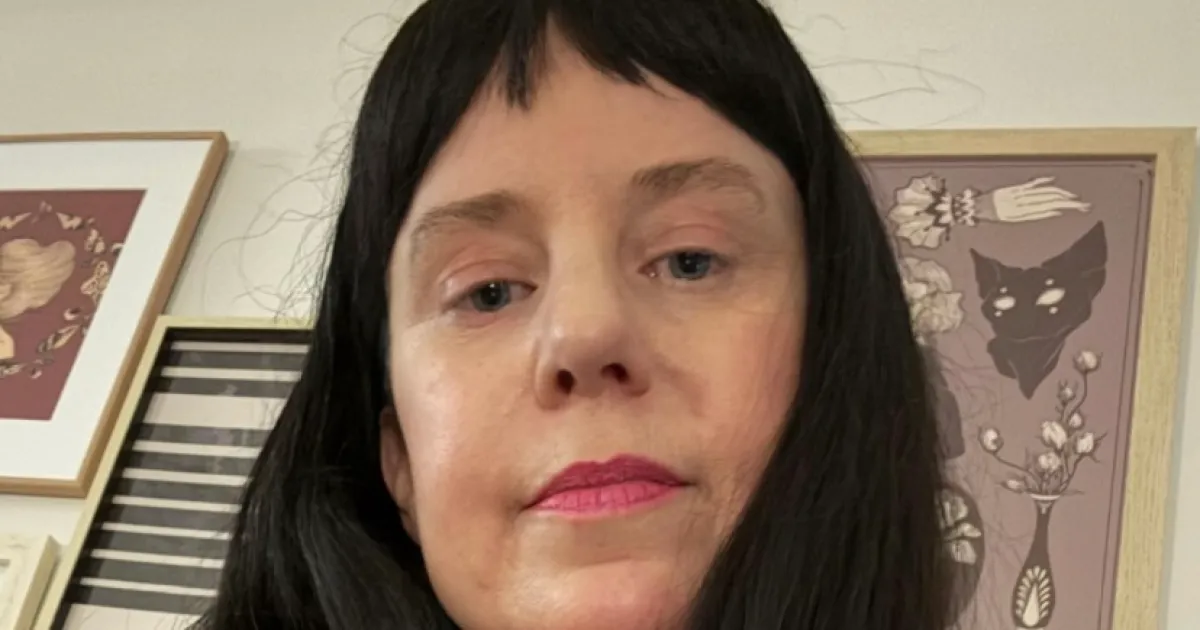
The agonizing weight of grief often manifests in unexpected ways, but perhaps none is more deeply felt than the quiet, devastating sense of homesickness for a person who can never be reached again. This was the raw, open wound shared by Maya Findlay as she publicly mourned the loss of her mother, the beloved TikTok personality Rebecca Luna, who ended her battle with early-onset Alzheimer’s disease. In a poignant, beautifully human video posted to her social media account, Maya laid bare the profound emptiness left behind by her mother’s passing, writing that she missed her in a way that felt like an inescapable homesickness—an intense longing to return to a sanctuary that no longer exists because, for her, “home” was her mother. Accompanying these heartbreaking words was a screen recording of a FaceTime call, a preserved digital relic of a happier time when Rebecca, glowing with maternal warmth, giggled and conversed with her grandchildren while the melancholic chords of Judah Earl’s instrumental track “Sand Drawing” played softly in the background. This brief, intimate window into their family dynamic reminds us that behind the staggering diagnostics of terminal illness are real, vibrant human relationships fractured by loss. Rebecca’s journey came to a peaceful end on Saturday, July 25, at approximately 1:15 p.m., when she passed away surrounded by the comforting presence of her closest loved ones. The simple family announcement that followed thanked her global community of supporters for their privacy, marking the close of a life defined by a relentless commitment to authenticity, love, and a mother’s final, desperate attempt to shield her children from witnessing the slow, agonizing erasure of her identity.
The tragedy of Rebecca’s story is compounded by the terrifying speed and untimeliness of her condition, having been diagnosed with young-onset Alzheimer’s disease just a year prior at the tender age of 48. When most people envision Alzheimer’s, they picture the natural decline of elder years, making Rebecca’s diagnosis a shocking and deeply disruptive intrusion into the prime of her life. Recognizing the profound rarity and isolation of her situation, she took the incredibly brave step in April to share her diagnosis with her social media followers, uploading a video that was both vulnerable and quietly revolutionary. She confessed that admitting her cognitive decline to the world felt surreal, weird, and frighteningly exposed, yet she felt compelled to speak out because her search for guidance had revealed a severe lack of resources and support systems tailored specifically for younger people facing this cruel, mind-robbing disease. The loneliness of losing your memories, your cognitive sharpness, and your agency decades before your time is an isolating experience that is difficult for outsiders to truly comprehend. Through her digital platform, Rebecca sought to build a bridge across that chasm of isolation, connecting with a few others who shared her plight and creating a compassionate, educational space where cognitive decline could be discussed without shame, proving that even as her mind began to fail her, her capacity for empathy and community remained completely intact.
Unfortunately, the gentle, slow-moving trajectory that some Alzheimer’s patients experience was denied to Rebecca, as her neurological decline accelerated with a brutal, unexpected speed that left her and her family reeling. As her daily existence became increasingly difficult, she had to confront the reality that her window of cognitive awareness and physical autonomy was rapidly closing, prompting her to make the deeply personal decision to pursue Medical Aid in Dying (MAID). According to medical consensus, MAID offers a compassionate legal framework wherein a physician can provide a patient suffering from an incurable, terminal illness with the means to end their life gracefully and on their own terms, ensuring a peaceful transition rather than a prolonged period of physical and mental degradation. In our society, discussing voluntary death is often accompanied by discomfort and controversy, yet for individuals facing the terrifying, irreversible loss of their very self, MAID represents the ultimate reclamation of personal dignity and control. Rebecca’s decision to choose this path was not born out of helplessness, but out of a fierce desire to exercise agency over her own body, refusing to allow a devastating illness to dictate the manner in which she spent her final moments. It was a choice that prioritized quality of life, comfort, and the preservation of her mental peace over a lingering, painful existence that would have gradually stripped her of her ability to recognize the children she loved so dearly.
At the absolute center of Rebecca’s life was her proud legacy as a single mother, a role she had carried out with fierce devotion, resilience, and an unwavering commitment to her children’s well-being. Facing the imminent end of her life, her maternal instincts remained her guiding light, driving her to set up a GoFundMe campaign to cover her upcoming end-of-life and funeral expenses so that her children would not be left carrying a heavy financial legacy alongside their immense emotional grief. With characteristic humility, Rebecca revealed that it was actually her dedicated online followers who had suggested the fundraiser, providing a beautiful example of how the internet can transform from a place of casual entertainment into an active, protective community of care. In her final written messages, she expressed a deep, soulful gratitude for the outpouring of love, blessings, and financial support she received, noting that she could never have navigated the terrifying path of her illness without the warmth of the community that had assembled around her. By utilizing her platform to secure her family’s financial stability, Rebecca managed to turn an administrative burden into a communal act of love and solidarity. This final act of preparation allowed her family the invaluable space to focus entirely on the emotional process of saying goodbye, demonstrating that even in the face of death, a mother’s instinct is to organize, protect, and heal the lives of the children she leaves behind.
The agonizing weight of controlling one’s own departure was laid bare in Rebecca’s final, incredibly raw TikTok video, uploaded on July 22, where she shared with her followers that she had made the difficult decision to move her MAID date forward to Friday, July 24. Speaking directly into the lens, she explained with heartbreaking honesty that while the timing of her medical care over the past year and a half had been dictated by legal protocols and clinical evaluations rather than her own personal preferences, she had spent the final two weeks of her life taking absolute ownership of her timeline. Her words painted a vivid, painful picture of the physical and psychological toll of her rapid decline, as she confessed that living in a body that felt completely uncomfortable, unsafe, and utterly devoid of peace had become an unbearable daily torment. The simple thought of waiting even two more weeks for her scheduled appointment felt like an insurmountable, cruel sentence that she was no longer willing to endure. This powerful admission underscored the profound mercy of medical aid in dying, highlighting that for Rebecca, the decision to shorten her wait was an act of survival—a way to escape a failing body before it completely trapped her consciousness in a state of perpetual fear and confusion.
In the end, Rebecca Luna’s life and death serve as a deeply humanizing testament to the power of choice, the depth of familial love, and the incredible resilience of the human spirit when confronted with the unimaginable. Though Maya Findlay and the rest of Rebecca’s family are now left to navigate the long, quiet road of grief, they do so with the knowledge that their mother departed this world on her own terms, wrapped in a blanket of absolute love, dignity, and peace. The digital footprint Rebecca left behind—the videos, the shared laughs, the raw confessions, and the quiet FaceTime calls with her grandchildren—will remain as an enduring, living monument to a woman who refused to let her disease erase her voice before she was ready to silence it herself. Maya’s poignant expression of homesickness reminds us that the pain of loss is simply the price we pay for having known a love so profound that it felt like home itself. By bravely opening up her private struggle to a global audience, Rebecca did more than just document her decline; she catalyzed an essential human conversation about what it means to die with dignity, proving that even when our minds begin to fail us, the legacy of the love we gave and received remains eternally clear, comforting, and unbreakable.