





When John Hughes unleashed his seminal cinematic masterpiece upon the world in the mid-1980s, few could have predicted just how deeply its narrative DNA would weave itself into the fabric of modern pop culture. The film’s premise was deceptively simple: five high school teenagers, each representing a rigidly defined social stereotype, are forced to spend a grueling Saturday detention together in their school library. Through this elegant, closed-room setup, Hughes did something revolutionary for the teenage cinematic landscape. Instead of treating young adult anxieties as trivial phase-based dramatics, he approached them with the profound seriousness, dignity, and artistic respect they deserved. By locking a brain, an athlete, a basketcase, a princess, and a brain in a room together, the narrative systematically deconstructed the protective social armor kids wear to survive the high school ecosystem. Decades later, this poignant exploration of adolescent vulnerability, parental pressure, and systemic isolation continues to serve as the ultimate blueprint for storytellers, leaving an indelible, nostalgic mark on the small screen.
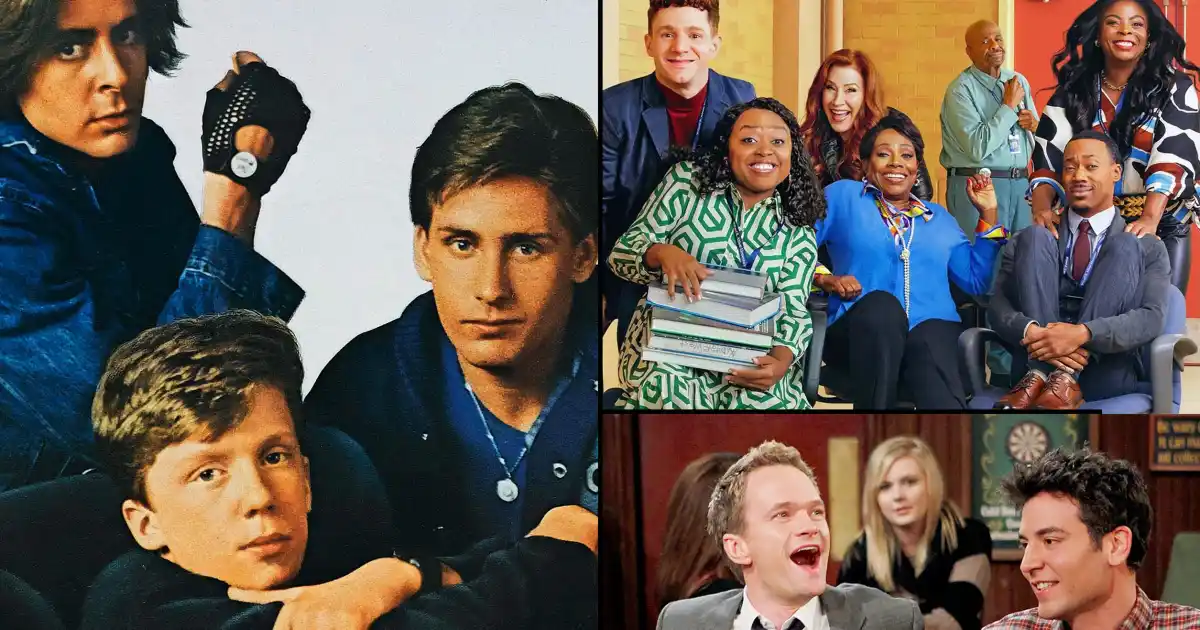
At the very heart of this cinematic phenomenon was a group of young actors who would become famously known as the “Brat Pack,” whose raw, intuitive, and deeply authentic performances transformed archetypes into flesh-and-blood human beings. Emilio Estevez captured the suffocating weight of parental expectation as the star wrestler, while Anthony Michael Hall embodied the fragile, heartbreaking desperation of the overachieving student pushed to his mental limit. Ally Sheedy portrayed the silent, eccentric pain of the neglected outcast, Judd Nelson gave a voice of fierce defiance to the physically and emotionally abused delinquent, and Molly Ringwald beautifully anchored the film as the popular girl trapped by the superficial expectations of her affluent peers. During the movie’s iconic, raw circle-confessional scene—which was largely ad-libbed by the actors under Hughes’ sensitive direction—these characters shed their social skins to reveal that despite their wildly different backgrounds, they shared the exact same fundamental fears of inadequacy, abandonment, and social ostracization. It was this profound emotional honesty that resonated with audiences, establishing these five performers not just as movie stars, but as the relatable voices of a generation struggling to be seen.
In the decades that followed, television creators repeatedly looked to this narrative architecture, utilizing the “Breakfast Club formula” as a psychological tool to force disparate characters into deep, transformative emotional confrontations. In the world of television writing, this setup evolved into the quintessential “bottle episode,” where a regular cast of characters is stripped of their typical external distractions and locked in a single location, forcing them to address long-simmering conflicts. Showrunners across countless genres quickly realized that by paying homage to Hughes’ masterpiece, they could bypass superficial plotlines and dive straight into the emotional cores of their characters. Whether through direct comedic parodies, musical tribute choices, or earnest dramatic recreations, the classic detention scenario became a sacred rite of passage for school-based television series, proving that the struggle to find one’s identity in a highly judgmental, hyper-categorized social environment remains a universal human experience that transcends generation, decade, and medium.
This rich legacy of television homages reached a remarkable, meta-textual peak in 2017 when Molly Ringwald joined the cast of the hit CW teen drama Riverdale as Mary Andrews, bringing her iconic status full circle for a brand-new generation of viewers. The show’s creators paid a direct, atmospheric tribute to the classic film during its highly anticipated third season in an acclaimed flashback episode titled “The Midnight Club.” In this stylized hour, the series’ contemporary main cast members stepped back in time to play younger, 1990s versions of their own onscreen parents, who had bonded during their own fateful high school detention years prior. The episode masterfully blended the moody, neo-noir mystery aesthetic of Riverdale with the nostalgic, synth-heavy, and deeply character-driven tone of the legendary film. By having these modern teen stars embody the archetypes once championed by Ringwald and her peers, the show highlighted the cyclical nature of adolescent rebellion, parental trauma, and the universal need for young people to find solidarity in their shared struggles against the adult world.
Beyond the dark, mysterious borders of Riverdale, the small screen has consistently found inventive ways to pay tribute to the film’s iconic ending and memorable Shermer High School library. Shows like the brilliant comedy series Community used the film’s framework in its pilot episode to establish its main study group, with the pop-culture-obsessed character Abed even explicitly referencing the movie’s dynamics to help navigate his real-world relationships. Similarly, popular coming-of-age dramas like One Tree Hill devoted entire episodes to placing their main characters in a shared school environment after-hours, stripping away their typical cheerleading uniforms and basketball jerseys to reveal the vulnerable, hurting kids underneath. From the animated satire of The Simpsons to the lighthearted Disney Channel sitcoms of the 2010s, this recurring tribute highlights how deeply television writers respect the film’s central thesis: that behind every manufactured social label lies a complex, multi-dimensional human being working hard to survive the day.
Ultimately, the reason this story continues to be lovingly recreated, referenced, and celebrated on television platforms is because its core message of mutual empathy is entirely timeless. In an increasingly digital world where young people are more connected yet simultaneously more isolated than ever before, the simple act of sitting face-to-face, listening to another person’s story, and finding yourself in their pain remains a powerful, healing act of rebellion. When the film ends with Brian’s voiceover letter to the demanding principal, concluding that each of them is “a brain, an athlete, a basketcase, a princess, and a criminal,” it delivers a message of profound self-acceptance that still rings true today. By continuing to pay homage to this landmark cinematic moment, modern television acts as a cultural bridge, reminding us that no matter how much the world change, the human heart still yearns for the exact same thing: to be truly understood, accepted, and remembered long after the Saturday detention bells have rung.