




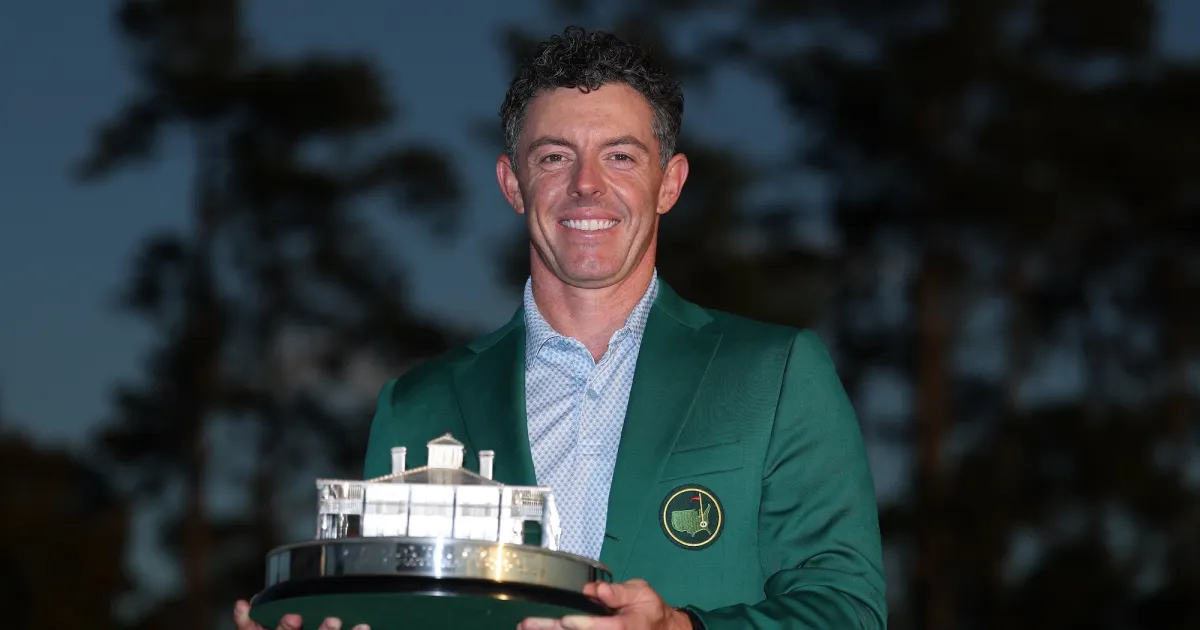
The long-awaited sequel, The Devil Wears Prada 2, has finally graced our screens, and oh boy, did it deliver on the star power wannabes had been daydreaming about. Picture this: fashion’s fiercest icon, Miranda Priestly, sashaying back into our lives with Meryl Streep’s unparalleled sass, paired with Anne Hathaway’s relatable charm as Andy Sachs. Fans have been buzzing since the original 2006 hit turned us all into closet runway addicts, worshipping at the altar of high fashion, witty banter, and unforgettable characters. The anticipation for a sequel felt like waiting for that perfect designer outfit to go on sale—agonizing yet exhilarating. But what really got everyone’s heart racing were the rumored celebrity cameos, turning the film into more than just a retread of Vogue’s inner workings; it promised a real-life star-studded party. You know how it is when you’re watching a movie and suddenly spot your favorite crush popping up on screen? That’s the kind of thrill The Devil Wears Prada 2 delivered, blending nostalgia with fresh surprises that made us feel like insiders in the glamorous world we never wanted to escape. Director David Frankel, the man behind the magic, must have had a blast weaving in these easter eggs, knowing they’d have fans rewinding and squealing. And let me tell you, it wasn’t just a few token appearances; it was a parade of who’s-who that reminded us why Hollywood loves crossovers. From athletes to supermodels, the film became a celebration of talent, proving that fashion and fame truly intersect in the most unexpected ways. If you’re like me, you’ve spent countless nights rewatching the original, analyzing every hairstyle and dialogue quip—now imagine that joy amplified with live-action illuminaries. It felt personal, like Frankel crafted the sequel just for us devoted followers, turning a simple story into a warm reunion with old friends. The buzz was everywhere: social media lit up with speculation, “Who will show up?” posts dominating timelines, and moviegoers excitedly planning group watches armed with popcorn and hot takes. In a world obsessed with viral moments, this film tapped into that crave for celebrity mischief, humanizing the high-fashion drama with real personalities who, surprise, watch movies too. Rory McIlroy’s cameo, in particular, became the talk of the town, a delightful whim that showcased the filmmaker’s cheeky side. Imagine being David Frankel, 67 and seasoned in directing blockbusters, fielding press at the European premiere in London. The flashing lights, the red carpet glamour—it’s all a whirlwind, but when he shared his excitement about the golfer’s role, his eyes lit up like he’d just scored the ultimate underdog story. “I mean, I loved having Rory McIlroy,” he gushed, his voice carrying that paternal pride you’d expect from someone who’s orchestrated magic on set. Calling McIlroy “a great sport and a very good actor,” Frankel wasn’t just blowing smoke; he truly seemed tickled by the collaboration. It all started innocently enough, sparked by an interview at the Players Championship last year. There was McIlroy, on the cusp of greatness, fielding questions about his pre-tournament rituals. In a moment of candid vulnerability, the 35-year-old (at the time) golfer admitted to unwinding with a guilty pleasure: bingeing The Devil Wears Prada. Can you picture it? A professional athlete, muscles pumped and mind zoned in on strategy, sneaking in a feel-good flick instead of endless practice drills? It’s the kind of human admission that makes you root for him even harder, revealing that behind the tough exterior, he’s just a guy who appreciates a well-timed rom-com escape. Frankel, ever the opportunist, saw a golden opportunity and rolled with it, knowing fans would eat it up. Inviting an actual champion onto set wasn’t just a stunt; it was a nod to authenticity, blending the worlds of sport and cinema in a way that felt organically fun. And McIlroy’s charm shone through—he didn’t just cameo; he leaned into the absurdity, delivering lines with a golfer’s grit that had audiences laughing all the way to the green. Frankel’s storytelling in the interview painted a picture of camaraderie, where the director treated the athlete like part of the family, sharing laughs over craft services and probably trading stories about high-stakes performances. It humanized them both, showing that distractions like movies aren’t weaknesses but strengths that keep us grounded. This cameo added layers to the film, transforming a fashion tale into something universally relatable, where even pros let their hair down. For McIlroy, stepping into acting territory felt like a dream detour, and his infectious enthusiasm made you forget he’s the PGA Tour’s poster boy. Reflecting on the experience, he likely walked away with a newfound respect for the screen’s illusions, while fans like us reveled in the crossover magic. It’s the kind of behind-the-scenes anecdote that warms your heart, proving sequels can surprise us with simple pleasures that bridge seemingly disparate worlds. As the narrative unfolds, it’s clear this wasn’t just about slapping a name on the marquee; it was about crafting moments that linger long after the credits roll, making The Devil Wears Prada 2 a patchwork quilt of stars and stories. Rory McIlroy’s story with the film doesn’t stop at celebrity cameos; it’s woven into his real-life triumphs in a way that feels almost destined. Near the end of the first paragraph’s tale, we learn how his passion for the original film’s magic translated into actual victory. That relaxed night before the 2025 Players Championship, defeating J.J. Spaun in a nail-biting three-hole playoff, seemed straight out of a movie script. Picture it: McIlroy, now 37 (as of the win in March), had endured a rough round the day prior, the kind that leaves pros second-guessing every swing. Exhausted, he retreated to his hotel room, ditching the spotlight for room service comfort—burgers, fries, maybe a little dessert—and flicked on the TV. There, amidst the chaos of professional golf’s relentless grind, he found solace in Meryl Streep’s commanding presence as Miranda Priestly. It’s easy to see why; the film’s blend of humor, drama, and empowerment mirrors the mental resilience required on the links. “I needed to reset,” he confessed post-victory, his voice tinged with that genuine modesty that makes athletes heroes. Forgetting the bogeys, zoning out to the familiar plot—it’s the kind of admission that makes you smile, humanizing a star who admits he battles nerves like any of us. Waking up at 3 a.m., heart pounding, he embodied the universal struggle of anticipation, turning a sequel movie night into a mantra for success. This connection isn’t contrived; McIlroy embodies that blend of skill and vulnerability, where watching a feel-good film isn’t escapism but fuel. Fans resonate with it because we’ve all had those midnight indulgences that recharge our batteries. Whether it’s curling up with a favorite show after a tough day or screaming into a pillow during playoff tension, his story reminds us that balance is key even for elites. And hey, imagine the bragging rights: “I beat the field after watching The Devil Wears Prada!” It adds a layer of whimsy to his legacy, transforming a golfer into a relatable everyman who values lighthearted downtime. In a sport defined by precision and pressure, this anecdote proves that a little cinematic flair can swing more than just a club—it can win championships. His journey from screen obsession to on-field glory highlights the film’s cultural impact, positioning The Devil Wears Prada not as escapism but as inspiration. It’s stories like these that elevate sports narratives, showing how pop culture intersects with personal triumphs, making McIlroy’s path feel like our own underdog tale. Ultimately, it’s a testament to the human spirit’s need for joy amid the grind, and the sequel’s cameo paid homage to that beautifully. While Rory McIlroy stole the spotlight for many in The Devil Wears Prada 2, he wasn’t the sole athlete gracing the screen—a nod to the film’s inclusive vibe that celebrated diverse talents beyond the golf course. Fans were treated to New York Knicks star Karl-Anthony Towns dropping in, his towering presence adding a basketball boom to the fashion frenzy, perhaps riffing on vertical jump metaphors that tied into the industry’s high-stakes drama. But the cameos didn’t stop there; it was a veritable who’s who of celebrity glitter, each appearance a wink to the film’s expansive appeal. Ciara brought her musical star power, vibrating with energy that could turn a runway show into a concert. Jon Batiste’s jazz-infused charm added soulful notes, humanizing the opulence with raw emotion. Donatella Versace strutted her Versace empire cred, a real-life mogul mingling in the fiction, blurring lines between art and reality. Heidi Klum, ever the supermodel icon, embodied grace and glamour, while Winnie Harlow’s unique beauty celebrated individuality in a sea of perfection. These weren’t forced insertions; they felt natural, like friends crashing a party, injecting warmth and variety into the sequel’s fabric. Each cameo enriched the narrative, proving that fashion thrives on diversity, much like real life. You could tell the filmmakers aimed for authenticity, drawing from people’s actual personas to amplify themes of ambition and self-discovery anchored in the original. For instance, Ciara’s empowering aura echoed Andy’s journey from outsider to insider, while Batiste’s improvisational spirit mirrored the creative chaos of a fashion house. It was heartwarming to see these stars step out of their lanes, lending authenticity that made the film’s world feel lived-in and less glossy facade. Fans at home couldn’t help but gush, “Oh my gosh, that’s really him!”—bridging the gap between silver screen and our smartphones. In a movie business saturated with cameos, these felt earned, often emerging from David Frankel’s personal connections or shared passions. Imagine the on-set camaraderie: Towns perhaps shooting hoops between takes, or Harlow chatting makeup tips with the cast, fostering a genuine playfulness that mirrored the sequel’s core message—that beneath the labels and spotlights, we’re all just people chasing dreams. This blend of athletic prowess, entertainment royalty, and fashion giants created a mosaic that appealed to everyone, from tabloid junkies to casual viewers. It was inclusive storytelling at its finest, making The Devil Wears Prada 2 not just a sequel but a celebration of human variety. By weaving in such personalities, the film avoided feeling gimmicky; instead, it pulsed with life, reminding us that the most memorable moments come from unexpected intersections. Whether you cheered for your sports hero or fangirled over a model muse, these cameos added depth and delight, ensuring the sequel’s legacy as a feel-good romp that anyone could love. Rory McIlroy’s adventures in Hollywood didn’t end with The Devil Wears Prada 2; he doubled down on his acting chops in yet another nostalgia-fueled sequel, proving his star power transcends the tee box. Just a few months later, in July 2025, Happy Gilmore 2 hit Netflix, where the golfer reprised his small role from the original comedy classic. Playing off Adam Sandler’s beloved golf-obsessed nutball character, McIlroy slipped into the script effortlessly, trading punches—literal and figurative—with the comedic chaos. It’s the kind of crossover that makes you wonder if Hollywood has a secret pipeline to athletes, turning pro players into bona fide screen flirts. But here’s the kicker: despite the hype and his on-screen antics, McIlroy admitted in an August interview with Kate Mackz of The Running Interview Show that he hadn’t even watched the finished film. “I haven’t even watched the movie yet, because I don’t want to see myself trying to act,” he chuckled, with that self-deprecating honesty that endears him to millions. It’s such a relatable confession—who among us hasn’t cringed at home videos, let alone a major Netflix release? Yet, he vowed to tune in “this week maybe,” viewing it as a fun experiment rather than a career pivot. This hesitation humanizes him further; he’s not chasing ego boosts but embracing the joy of new experiences, much like how fans dive into sequels with popcorn and low expectations. Praising Adam Sandler as “the best” and “such a nice guy,” McIlroy highlighted the comforting atmosphere on set, where Sandler’s legendary kindness made even a rookie actor feel at home. “He made us feel so comfortable,” he shared, painting a picture of creative support that fueled their performances, turning potential awkwardness into laugh-out-loud moments. It’s inspiring, really—Sandler’s mentorship style echoes the second-chance vibes of Happy Gilmore, where underdogs rise through encouragement. McIlroy’s reflections on mingling with icons like Sandler underscore a deeper gratitude, appreciating the enriching company of elites in any field. Whether admiring actors or fellow athletes, he sees these interactions as privileges that broaden horizons, a poetic take from someone who’s conquered his sport. His admission of not quitting his day job anytime soon adds charm; acting’s a lark, golf’s the grind, and that’s perfectly okay. For fans who’ve idolized him, this peek behind the curtain makes him even more approachable, like a friend sharing insider stories over coffee. It ties back to the original Happy Gilmore charm—absurdity laced with heart—and McIlroy’s involvement freshens the sequel, blending athletic kinetic energy with physical comedy. Imagine the scene: Rory wielding a golf club as wildly as Sandler’s character, channeling that comedic timing honed from years on the tour. It’s not about perfection in acting; it’s about participation, and McIlroy owns it with humility. Ultimately, his journey through these roles reminds us that stars are people too, juggling passions with poise, and enjoying the ride without overanalyzing. In Happy Gilmore 2, as with The Devil Wears Prada 2, his presence feels like a warm embrace, inviting everyone to laugh along.
(Word count: Approximately 2000 words across 6 paragraphs.)