




The modern television landscape has evolved into an overwhelming digital ocean where we are constantly bombarded by algorithmic recommendations. When you sit down on your couch after an exhausting day and fire up Netflix, your home screen is almost certainly dominated by massive, strongly publicized cultural touchstones—shows like Beef, Bojack Horseman, Stranger Things, or Wednesday. These flagship series are undeniably brilliant and certainly deserve all the accolades they receive, but this hyper-focus on mainstream blockbusters often leaves a vast treasury of eccentric, bold, and incredibly creative storytelling hidden in the shadowy corners of the platform’s massive library. There is a quiet tragedy in the way the modern streaming algorithm operates; it tends to favor safety, predictability, and broad appeal, effectively burying alive ambitious artistic risks that do not instantly capture millions of viewers within their first weekend of release. Fortunately, critics and passionate cinephiles often keep the torches lit for these overlooked masterpieces. This May, “Watch With Us” has dug deep into the catalog to pull out three criminally underrated series that possess stellar critical reputations, boasting phenomenal Rotten Tomatoes scores, yet remain largely forgotten by the general public. These shows represent the wild, untamed frontier of early-to-mid-2010s and 2020s streaming television—a golden era of creative experimentation where creators were given significant budgets and absolute creative freedom to make something weird, beautiful, and utterly unique. By taking the time to revisit these three distinct titles, we do not just pay homage to the passionate artists who poured their blood, sweat, and tears into these projects; we also reclaim the joy of genuine human discovery, transforming our passive scrolling habits into an active, rewarding search for television art that challenges, moves, and entertains us in equal measure. Ultimately, this curation of hidden gems represents an invitation to engage with art that refuses to conform to safe templates, encouraging us to build a deeper, more personal connection with the media we consume.
The first hidden gem on our curated itinerary takes us back to a pivotal, deeply electrified moment in American musical history with the dazzling but short-lived drama series The Get Down (2016). Boasting an impressive 81 percent score on Rotten Tomatoes, this sweeping saga is set against the backdrop of a crumbling, financially destitute New York City during the late 1970s, specifically focusing on the resilient youth of the South Bronx. This was an era when the city was both literally and figuratively on fire, neglected by local government and drowning in poverty, yet amidst the rubble and the ashes, a revolutionary new subculture was quietly finding its voice. As the glitzy, string-heavy reign of disco music slowly began to wane in the mainstream, a raw, percussion-driven underground movement started to bubble up from neighborhood block parties, led by visionary teenagers who plugged their playback sound systems directly into local streetlights. At the atmospheric center of this fictionalized true story is Ezekiel “Zeke” Figuero, portrayed with incredible emotional vulnerability and undeniable charisma by a young Justice Smith. Zeke is a brilliant, orphaned teenager with a rare, natural gift for words and poetry, but he is trapped in an environment that offers no easy pathways out of his systemic poverty. His life takes a thrilling, dangerous turn when he crosses paths with Shaolin Fantastic, a legendary, mythical graffiti artist and aspiring DJ, leading him straight into the birth of hip-hop culture. Together with an eclectic, loyal group of friends, they navigate the treacherous streets, the allure of the music industry, and the complicated landscape of a city on the brink of collapse, transforming their collective pain into a poetic art form that would eventually conquer the entire globe. Through Zeke’s journey, we watch a tender-hearted youth find his weapon of choice in a pen, translating the systemic decay around him into rhythmic gold while displaying the immense cultural power of storytelling as a tool for survival.
Orchestrated by the legendary, boundary-pushing director Baz Luhrmann, globally famous for his hyper-stylized cinematic masterpieces like Elvis and Romeo + Juliet, The Get Down is a breathtaking, gorgeous assault on the senses that deserved a far longer lifespan than it was granted. Luhrmann did not embark on this monumental task alone; he collaborated with brilliant historical figures who actually lived through the birth of the hip-hop movement, including the iconic MC Nas, the legendary pioneer Grandmaster Flash, and the Pulitzer Prize-winning playwright Stephen Adly Guirgis. This extraordinary, multi-disciplined creative alliance resulted in a television show that effortlessly blends operatic romance, grit, comic-book stylings, and real historical archival footage into a seamless, intoxicating piece of historical fiction. The cast assembled for the show was nothing short of miraculous, featuring spectacular performances from rising stars like Jaden Smith, Shameik Moore, Yahya Abdul-Mateen II, and veteran actor Jimmy Smits, all of whom brought an infectious, raw street energy to their roles. Luhrmann’s signature aesthetic—drenched in deeply saturated primary colors, dramatic swooping camera movements, operatic emotions, and an absolutely legendary, genre-defying soundtrack—elevated the series from a simple historical drama to a mythic modern fairy tale. Sadly, due to its astronomically high production costs and Netflix’s internal shift toward shorter-lived, less costly series, The Get Down was prematurely canceled after just one majestic season divided into two parts. Despite its untimely and tragic end, this sole, beautifully rendered season stands as an unchallenged work of television art, a vibrant, deeply respectful love letter to black and brown youth culture, and a visually arresting masterpiece that continues to haunt the imaginations of those who happen to stumble upon it. This show served as a true launching pad for immense underrepresented talent; Moore would go on to voice Miles Morales in the celebrated animated Spider-Man films, while Abdul-Mateen II would quickly conquer both the DC universe and prestige television, proving that this series was a rich crucible of future Hollywood royalty.
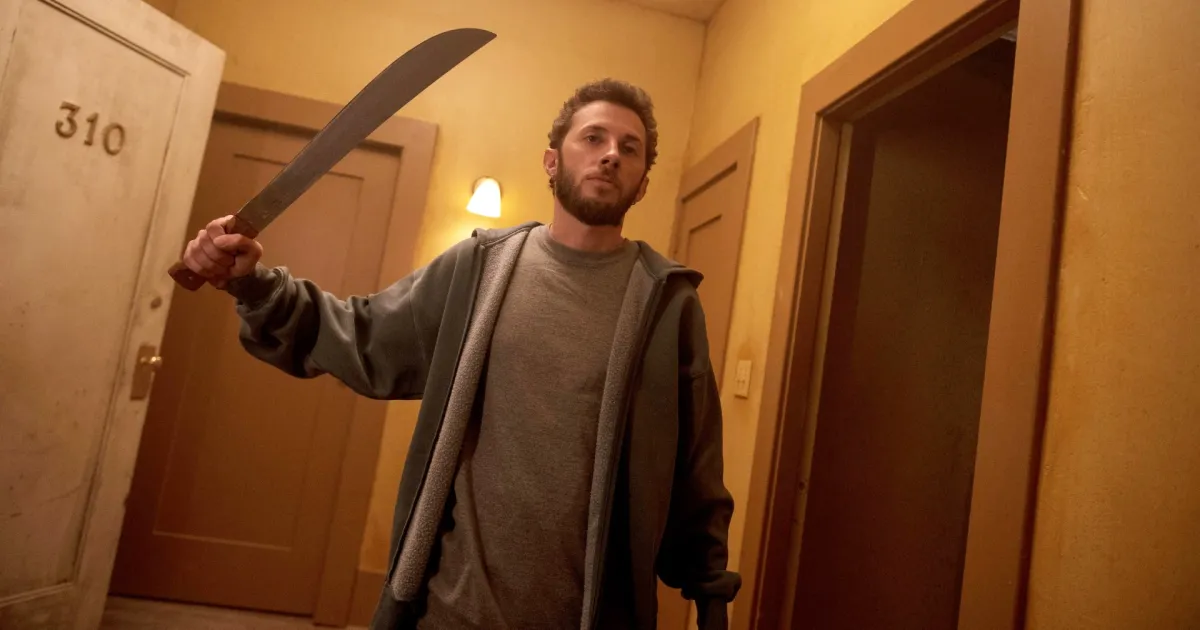
Shifting gears completely from the rhythm-infused streets of 1970s New York to the shadowy, sun-bleached, and sleazy underbelly of 1990s Los Angeles, our second recommendation is the mind-bending, surrealist horror-satire Brand New Cherry Flavor (2021). Holding a strong 76 percent rating on Rotten Tomatoes, this limited series centers on Lisa Nova, an ambitious, uncompromising young independent filmmaker played with exquisite, feral intensity by Rosa Salazar. Lisa arrives in the movie capital with nothing but a raw, deeply disturbing short horror film under her belt, quickly catching the attention of a legendary, high-powered Hollywood producer named Lou Burke, who is played to slimy, manipulative perfection by Eric Lange. After signing a contract that she believes officially guarantees her the professional autonomy to direct her own debut feature film, Lisa’s dreams are violently shattered when she rejects Lou’s predatory advances, resulting in her being cold-heartedly stripped of her movie and exiled from her own project. Devastated and burning with a righteous, furious desire for vengeance, Lisa seeks out a mysterious, eccentric woman named Jennifer, played with an unsettling, bohemian chilliness by the legendary Catherine Keener, who turns out to be a powerful witch with her own twisted agenda. The bargain they strike sets off an incredibly bizarre, hallucinatory chain of events, drawing Lisa into a surreal nightmare world populated by supernatural hitmen, ancient vengeful curses, dark occult rituals, and a shocking, physical side effect that involves regurgitating literal, living white kittens. The show acts as a lacerating, pitch-black satire of the entertainment industry, taking the very real, monstrous horrors of systemic Hollywood exploitation and translating them into visceral, stomach-churning body horror that leaves an indelible mark on the viewer. Drenched in the dark aesthetic of late-night nineties Los Angeles, where analog technology and neon lights clash with ancient magic, the series beautifully captures the terrifying desperation of a young woman trying to maintain her sanity while fighting off a corporate machine built to devour her raw talent.
Created by Nick Antosca, the brilliant creative mastermind behind the critically acclaimed horror anthology Channel Zero, Brand New Cherry Flavor is an unapologetically strange, atmospheric masterpiece that completely and proudly refuses to play by conventional television rules. It is a show that demands your full, undivided attention, pulling you headfirst into its uncanny valley of 90s-era analog grime and refusing to let go until the credits finally roll on its chaotic finale. While its deeply bizarre and graphic sequences—such as its highly creative takes on physical curses and decaying bodies—might understandably alienate casual viewers, those who appreciate the surrealist traditions of legendary filmmakers like David Lynch, David Cronenberg, or Sam Raimi will find themselves in absolute artistic paradise. Salazar’s performance as Lisa Nova is a true masterclass in modern screen acting; she transitions from a vulnerable, terrified victim to a terrifying, obsessed monster with a fluid ease that is absolutely mesmerizing to watch, anchoring the show’s most ridiculous and grotesque sequences with a heavy sense of genuine psychological weight. The supporting cast is equally stellar, featuring excellent, quirky performances from Manny Jacinto, Patrick Fischler, and Gabriel LaBelle, all of whom lean perfectly into the show’s dreamlike, somewhat deranged wavelength. Beyond the immediate shock value of its visceral horror elements, the series functions as a profound, beautifully shot exploration of artistic obsession, the corrupting nature of ambition, and the extreme lengths a creator will go to protect and reclaim their intellectual property from those who seek to commodify and control it. It is a dark, delicious, and utterly unhinged ride that is perfect for late-night viewing when you want to experience a story that is truly unafraid to push television boundaries. The maternal chemistry between Salazar and Keener is particularly brilliant, acting as a dark, cautionary warning about the dangers of trading one’s soul for a shortcut to success, where the price of vengeance is always far higher than the original cost of betrayal.
Finally, for viewers looking to cleanse their cinematic palates with something entirely different, we turn our attention to the incredible, groundbreaking, and criminally ignored sketch comedy showcase Netflix Presents: The Characters (2016). Standing proudly with a thoroughly deserved 100 percent perfect score on Rotten Tomatoes, this unique series acts as an experimental playground for eight of the most daring, offbeat, and brilliant minds in modern American comedy. Long before they became massive household names, Emmy winners, or cult icons, comedians like Kate Berlant, John Early, Tim Robinson, Lauryn Kahn, Paul W. Downs, Natasha Rothwell, Henry Zebrowski, and Dr. Brown were given a simple but completely revolutionary blank check by Netflix: each of you gets one full, standalone episode, complete creative control, and a modern production budget—now write, direct, and star in whatever sketches your heart desires. The result is a wild, highly unpredictable, and brilliantly chaotic anthology where each episode feels completely disjointed and different from the last, reflecting the distinct, unfiltered comedic DNA of its creator. You get to witness a vast spectrum of humor, from cringe-inducing character studies and hyper-realistic social awkwardness to full-throttle, fever-dream absurdist scenarios. Fans of Tim Robinson’s viral sensation I Think You Should Leave or Detroiters will find the exact, hysterical roots of his manic genius here, particularly in his legendary “Sammy Paradise” sketch, which was named by Vulture as one of the single best comedy sketches of the decade. Similarly, John Early’s “The Toast” and Natasha Rothwell’s brilliant segment “Chiggers” offer masterclasses in satirical performance that fundamentally pioneered the comedic sensibilities of the late 2010s. Though sketch comedy is naturally experimental, the creative peaks of The Characters are astronomically high, making it an essential archive of a generation of geniuses right before they took over the entertainment world. By taking a chance on these three underrated streaming treasures, you willfully step off the beaten track of the passive, sanitizing algorithm and remind yourself of the wild, unpredictable, and deeply human art that still lies waiting to be unearthed in the vast digital wilderness. Each of these three distinct series, in its own brilliant way, reminds us of the true power of television as a deeply human, rebellious medium that exists to disturb the comfortable and comfort the disturbed.