






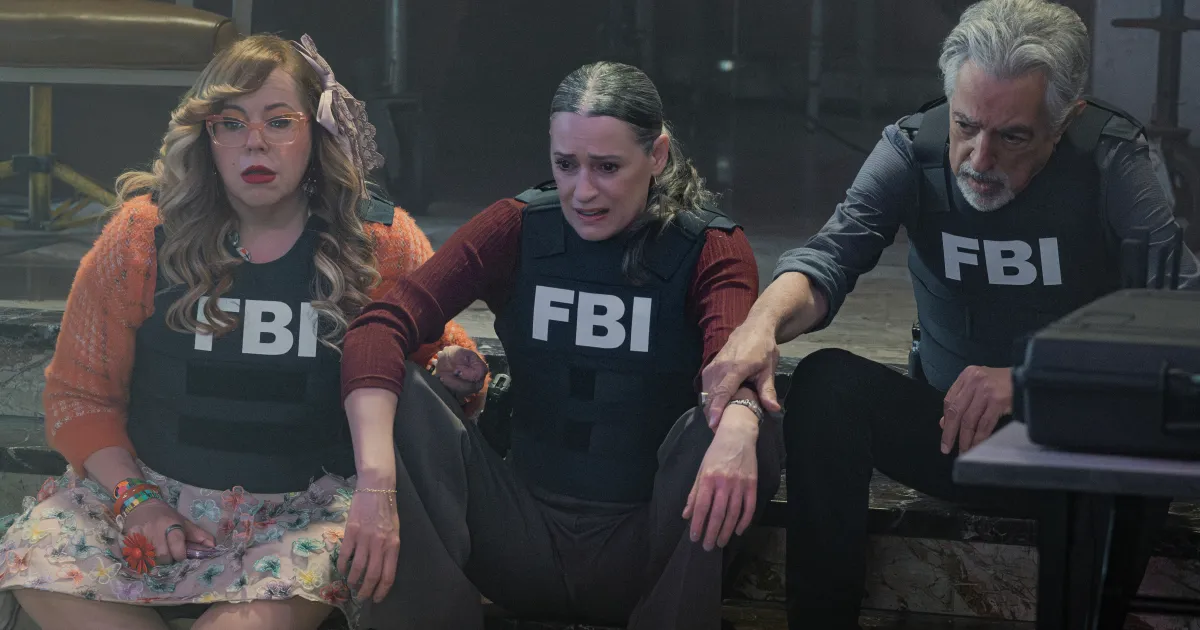
For nearly two decades, Kirsten Vangsness has brought warmth, quirky fashion, and a deeply sensitive heart to television screens as Penelope Garcia, the beloved technical analyst on Criminal Minds. Now in its nineteenth season—rebranded under the gritty, serialized banner of Criminal Minds: Evolution on Paramount+—the venerable crime drama is pushing its characters into darker, more psychologically challenging territory than ever before. This seasonal arc has sparked a wave of division and “discomfort” among loyal fans due to an unexpected narrative twist: Garcia has secretly been showing support for Elias Voit, the season’s chillingly brilliant and manipulative serial killer played by Zach Gilford. In an exclusive, candid conversation with Us Weekly, the 52-year-old actress dove deep into the creative choices behind this controversial bond, defending her character’s highly-debated actions with her signature philosophical warmth and explaining why leaning into the audience’s discomfort is exactly what makes modern television so vital.
Addressing the audience’s mixed and often passionate reactions, Vangsness explained that the mounting unease viewers feel is not a narrative misstep, but rather a deliberate and necessary thematic choice for this era of the franchise. To her, the evolving relationship between Garcia and Voit serves as a mirror for the complicated moral dilemmas we face in our own lives, albeit on a much grander, more dramatic scale. “It’s important for what the show is doing in this season,” Vangsness noted thoughtfully, suggesting that great storytelling shouldn’t always offer easy answers or cheap comfort. She encourages fans to sit with the awkwardness of witnessing a fundamentally good person extend empathy to someone who has committed monstrous acts. By juxtaposing Garcia’s inherent light with Voit’s darkness, the writers are forcing the audience to grapple with the messy reality of forgiveness, holding space for the discomfort we feel when someone who has deeply wronged society is treated with basic human dignity.
At the core of Vangsness’s defense of her character is a deeply humanistic worldview—one that seeks to see the vulnerable child hidden beneath even the most damaged and dangerous adults. She explained that she wanted Garcia’s perspective to feel deeply relatable to anyone who has struggled to reconcile a person’s terrible past with their present reality. “To sit with that discomfort of looking at someone—how they are right now—and realizing that everybody was a baby and everybody just wants to take their next breath,” Vangsness mused, highlighting the tragic lack of empathy and compassion that shapes monsters like Voit. Now that he is locked away in a cell, stripped of his power, Vangsness argues that endlessly punishing him with hatred serves no constructive purpose. While she jokingly doubts that Garcia would willingly spend her weekends hanging out at a maximum-security prison, she believes this unlikely connection raises profound questions about rehabilitation and humanity that the show has a responsibility to explore.
Interestingly, Vangsness admitted that she was just as surprised as the audience when she first discovered the extent of Garcia’s secret alliance with Voit, only learning about the plot twist during a group table read. However, once she digested the development, she realized that Garcia’s quiet crusade to save a serial killer from the state’s ultimate punishment is entirely in line with who the character has always been. Vangsness looks at Garcia’s pacifism as an aspirational standard for her own life, hoping that as people grow and shed their defenses, they can let go of the instinctual, defensive urge to inflict pain on others in the name of justice. By protesting the death penalty for Voit, Garcia is acting as a “vocal, spiritually advanced being” who is highly educated on the systemic flaws of the American carceral system, actively choosing to be a force for healing rather than contributing to a cycle of institutional violence.
Looking toward the remainder of the season, Vangsness is thrilled about the dramatic heavy-lifting she was trusted with, playfully joking that she is “not mad at the play” and screen time her character has received. The final stretch of season nineteen promises plenty of high-stakes moments for the technical wizard, showcasing her evolution from a behind-the-scenes support system into a crucial, active participant in the team’s psychological warfare. Fans can expect a rewarding payoff to these tense narrative seeds, with Vangsness teasing that the weekly episodic variety and the overarching serial mystery will continue to blend seamlessly, keeping viewers on the edge of their seats while delivering the classic, character-driven moments that made the original series a global phenomenon.
Even as season nineteen wraps up its run on Paramount+ on Thursdays, Vangsness is already looking ahead to the future, teasing tantalizing details about the production of season twenty. She revealed that the upcoming season will tackle a highly relevant, real-world subject matter that is currently affecting people globally in their daily lives, utilizing it to thrust Penelope Garcia into an entirely unprecedented situation. According to the actress, this upcoming storyline will allow Garcia to experience a dynamic that she has never gotten to explore in twenty years on screen, but one that Kirsten Vangsness herself experiences all the time in the real world. This fusion of the actress’s personal life with her character’s fictional universe promises to bring an even deeper layer of authenticity, heart, and humanity to a show that, despite its dark subject matter, has always ultimately been about the resilient light of the human spirit.