





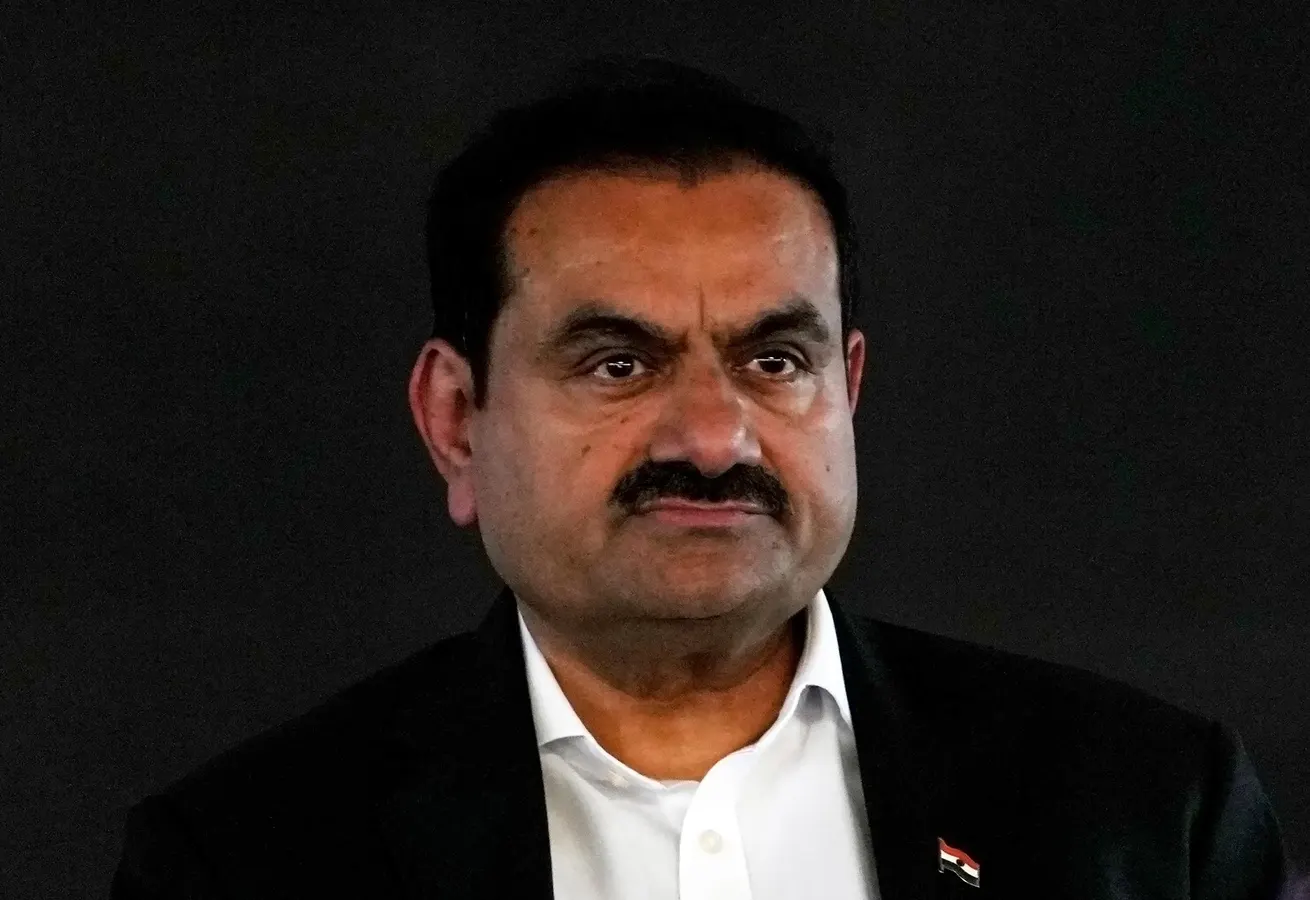
In a move that could fundamentally redefine the geopolitical and industrial landscape of South Asia, Indian billionaire Gautam Adani has announced that his flagship conglomerate, Adani Enterprises, will venture into the highly regulated and historically state-controlled domain of nuclear energy. Speaking to an audience of eager shareholders at his group’s annual meeting, the self-made tycoon revealed the creation of a specialized commercial division, Adani Atomic Energy, which will spearhead this bold transition. Behind the corporate dry speak and balance-sheet projections lies a profoundly human narrative: a rapidly developing nation of over 1.4 billion people, standing on the precipice of an economic golden age, yet continuously threatened by the specter of energy insecurity. By stepping into the atomic arena, Adani is not simply chasing another profitable market; he is attempting to anchor India’s long-term developmental dreams with the ultimate, carbon-free source of continuous baseload energy. The sheer ambition of this endeavor is aimed at providing a reliable foundation for an economy that is urbanizing and industrializing at a speed almost unprecedented in human history, assuring that as the nation’s aspirations grow, its lights will stay on.
To turn this grand atomic vision into a concrete reality, the Adani Group has mapped out an extraordinary financial and operational blueprint that underscores its unmatched capacity for executing mega-scale infrastructure projects. Over the course of the next five years, the group’s power generation arm, Adani Power, plans to deploy a staggering 2 trillion rupees—equivalent to roughly $21.1 billion—to scale up its overarching electricity generation capacity from its current footprint of 18 gigawatts to a massive 45 gigawatts. Tucked within this broader infrastructure blitz is the group’s target to build up to 10 gigawatts of dedicated nuclear capacity by the year 2035, having already quietly scouted and identified a viable prospective site for its first reactor. For the average citizen, these numbers represent more than simple corporate capital expenditure; they translate into a massive influx of local construction jobs, the training of a new generation of highly skilled nuclear engineers, and the development of robust domestic supply chains. This multi-billion-dollar bet highlights Adani’s philosophy of heavy capital reinvestment, demonstrating a deep conviction that the future of Indian industrial dominance is inextricably bound to the availability of massive, cheap, and reliable electricity.
This venture represents a unprecedented paradigm shift in how India manages its strategic and sensitive energy assets, marking a historic break from decades of state-managed exclusivity. Historically, the Indian government guarded its nuclear energy sector with extreme caution, reserving atomic research and energy production strictly for state-run enterprises due to technological bottlenecks, international sanctions, and safety sensitivities. However, recognizing that public funding alone cannot match the sheer velocity of the country’s growing electricity demand, the Indian government made a monumental policy pivot last year by opening up the nuclear generation landscape to domestic and foreign private sector pioneers. The national goal is incredibly ambitious: to nearly triple India’s current nuclear output from roughly 9 gigawatts to 22 gigawatts by the year 2032. Adani is moving swiftly to seize this moment, positioning his conglomerate to potentially become the first private enterprise in Indian history to construct and run a commercial nuclear power facility. The group has already initiated constructive dialogues with leadership in the populous northern state of Uttar Pradesh to lay the groundwork for this trailblazing project, effectively bridging the classic divide between private enterprise innovation and state-level regulatory governance.
The human and environmental stakes of this transition are incredibly high, as India’s current reliance on fossil fuels poses severe public health and environmental challenges. Today, nuclear power accounts for a modest three percent of the nation’s total electricity generation, with the vast majority of India’s power grid still running on coal. This heavy reliance on fossil fuels contributes to the persistent, choking winter smog that blankets Northern India, affecting the health of millions of citizens and straining public healthcare systems. While India has made heroic strides in deploying solar farms and wind turbines—with the Adani Group itself building some of the largest renewable energy parks in the world—these clean sources are inherently intermittent, dependent on the whims of the sun and the wind. Nuclear energy, by contrast, offers the holy grail of environmental sustainability: clean, virtually emission-free, “always-on” base load power. By providing a steady, uninterrupted flow of electricity to the grid, nuclear plants ensure that heavy manufacturing industries, hospitals, and modern digital cooling centers can operate around the clock without resorting to coal-fired backup generators, cleaning up the air that millions breathe while simultaneously meeting international climate commitments.
At the center of this monumental industrial pivot is the polarizing and fascinating figure of Gautam Adani himself, whose life story mirrors the dramatic, high-stakes trajectory of modern India’s rise. With a personal net worth estimated at $89.1 billion, Adani is one of the wealthiest individuals on the planet, having built an empire from the ground up from his base in Ahmedabad. His sprawling conglomerate, the Adani Group, has systematically integrated itself into the logistical and foundational fabric of daily life across the Indian subcontinent, with deep-seated commercial interests that span critical shipping ports, bustling international airports, massive cement manufacturing plants, logistics networks, media, mining, real estate, and conventional energy. This omnipresence in the national economy means that Adani’s personal business moves are often practically indistinguishable from India’s national developmental agenda. His decision to venture into the atomic field is a classic manifestation of his long-held business doctrine: aligning his private corporate interests closely with the strategic priorities of the state, ensuring that as the country seeks to modernize its public infrastructure, his companies are uniquely positioned to build, own, and profit from those essential civic systems.
Looking forward to the horizon of 2035, the Adani Group’s entry into nuclear power will likely be remembered as a watershed moment that defined the maturity of India’s private sector and its role in global energy transition. It represents a bold assertion that private capital, working in tandem with national regulators, can safely and effectively manage the complex technical and safety challenges inherent in atomic energy. If successful, the 10-gigawatt nuclear vision will not only help insulate the Indian economy from volatile global energy shocks and fossil fuel shortages, but it will also elevate India’s status on the international stage as a technologically self-reliant superpower. Ultimately, this journey is about more than just megawatts, corporate expansion, or billionaire rivalry; it is a human-centric endeavor to build a cleaner, cooler, and more prosperous future for a seventh of the world’s population. By planting the seeds of nuclear power generation today, the decisions made in corporate boardrooms are actively shaping the physical environment, economic opportunities, and quality of life that future generations of Indians will inherit.