





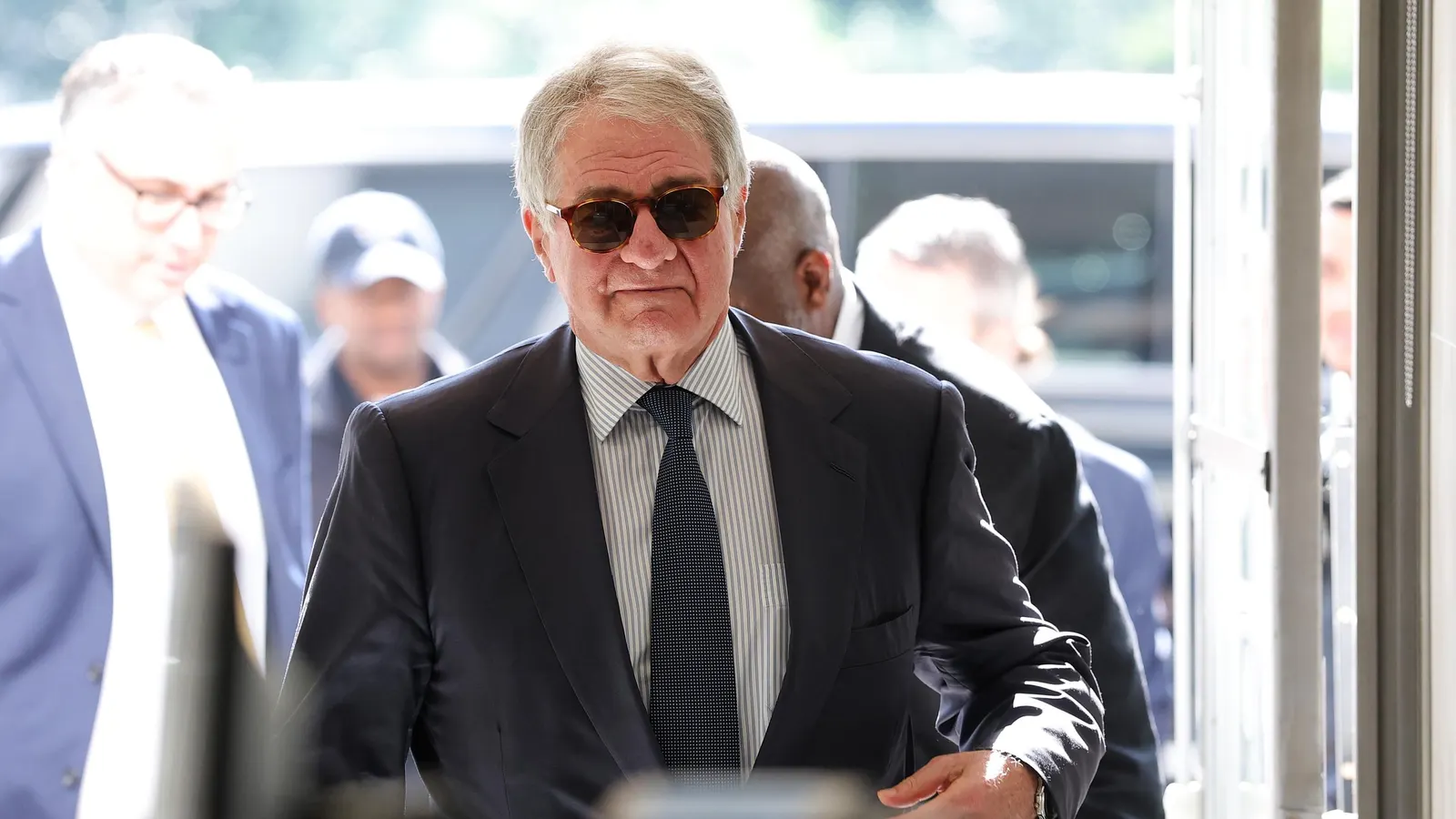
The high stakes world of billionaire private equity giant Leon Black collided spectacularly with the haunting, deeply troubling legacy of Jeffrey Epstein in a sterile Washington congressional hearing room, presenting a stark, unforgettable portrait of absolute wealth attempting to shield itself from ultimate moral ruin. For decades on end, Black reigned at the absolute pinnacle of global finance, co founding Apollo Global Management and amassing a staggering thirteen billion dollar personal fortune that allowed him to move through the most exclusive circles of power, art, and influence. Yet, as revealed in the newly unsealed transcripts of his voluntary June interview with the House Oversight Committee, the ghost of his long time associate and financial advisor Jeffrey Epstein continues to cast a long, suffocating shadow over his hard earned and highly manufactured reputation. Sitting directly before congressional investigators during a pivotal and revealing moment in public and political history, the seventy three year old billionaire found himself in the deeply uncomfortable position of trying to reconcile his cold, formal corporate denials with the raw, undeniable evidence of an intimate past association. The most glaring and shocking contradiction came in the physical form of a birthday card, which Black had personally signed with the surprisingly affectionate sign off, “Love and Kisses, Leon,” addressed to a man the rest of the civilized world now views as a monstrous, irredeemable predator. Throughout the grueling session, Black fought to maintain a clinical distance, insisting that despite such warm written sentiments and decades of shared social circles, he never truly considered the late, disgraced financier to be a personal friend. This tense psychological high wire act underscored the central human drama of the hearing: a titan of industry desperate to convince the public, and perhaps himself, that a relationship built on mutual opportunism, high society networking, and millions of dollars in financial transactions could somehow exist completely separate from the horrific human trafficking operation that Epstein was running right under the noses of the unsuspecting global elite, who frequently enjoyed his luxury and hospitality.
To hear Leon Black explain it to the congressional committee, his relationship with Jeffrey Epstein was not born of genuine physical affection, but rather of a calculated desire to access a glittering, high powered Rolodex of global influence. Under oath, the billionaire painted a portrait of Epstein as an elite gatekeeper, a man whose primary value lay in his uncanny ability to assemble extraordinary rooms filled with the world’s most influential and successful minds. Black recounted how he originally met Epstein through a mutual acquaintance in the mid 1990s and subsequently fell into a comfortable routine of attending social gatherings at Epstein’s lavish Manhattan townhouse. It was within these opulent walls that Epstein acted as a powerful social conduit, introducing Black to a breathtaking array of global leaders, innovative business owners, and thinkers, including Tesla and SpaceX founder Elon Musk, software pioneer Bill Gates, and mind body wellness guru Deepak Chopra. Black defended his frequent visits by explaining to lawmakers that he simply enjoyed taking advantage of this incredibly rich, ready made network of interesting individuals, viewing Epstein more as a high society concierge than a personal companion. This defense, while legally pragmatic, highlights a deeply cynical view of human connection that is unique to the ultra wealthy, where relationships are treated as transactional commodifications and people are valued solely for the access they can provide. By framing Epstein as a mere social hub or a business utility, Black sought to sanitize their extensive interaction, attempting to construct an intellectual firewall between his own ambition and the dark, predatory reality of the man who facilitated these introductions. Yet, this transactional framing raises uncomfortable questions about the willful blindness of the global elite, who happily accepted the hospitality of a known sexual offender because the immense social capital he offered was simply too valuable to pass up at that time in their active professional lives, demonstrating how moral compromises are often packaged as strategic networking opportunities among the world’s most powerful business leaders today.
The meticulously polished facade of a purely professional and detached relationship began to crumble under closer scrutiny, particularly when investigators confronted Leon Black with an incredibly bizarre and intimate artifact from the past: a celebratory poem he had written for Jeffrey Epstein’s fiftieth birthday. Seeking to explain away the flowery verses, Black sheepishly characterized the birthday tribute as nothing more than a “bad poem,” written in a moment of lighthearted banter for a man he viewed as a lifelong bachelor who thoroughly enjoyed the company of women. However, the actual text of the poem carried deeply unsettling undertones when viewed through the lenses of history, containing lines that referenced women and money, such as, “By Birds and by Bucks, Cs and Ms are his key? / Blond, red, or brunette spread out geographically.” Under intense questioning from the committee’s counsel, Black struggled to defuse the suggestiveness of his own words, insisting that he was merely making a broad, harmless generalization about Epstein’s appetite for money and his active dating life, rather than referring to any specific network of women. This defense grew even more strained when the discussion turned to Epstein’s household staff, which Black admitted seemed to consist largely of attractive young women, including a striking six foot four inch female pilot. Although the pilot’s name was redacted in the official transcripts, the description strongly pointed toward Nadia Marcinko, an individual heavily implicated in Epstein’s broader trafficking network who had also worked as an assistant pilot on his private aircraft. While Black vehemently denied having any inkling of underage trafficking or expecting that any of these women were being exploited, his dismissive hand waving of these obvious red flags as the standard lifestyle of a wealthy, eccentric bachelor reveals a profound moral detachment, illustrating how easily the super rich can rationalize and normalize the exploitation of others when it occurs within their immediate social periphery, ultimately prioritizing their own financial gain over basic ethical standards of human decency and social responsibility in business.
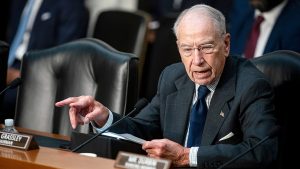
The fragile peace of the voluntary session shattered completely when the congressional investigators shifted their focus from social pleasantries and bad poetry to the highly sensitive and legally fraught territory of non disclosure agreements. As lawmakers began probing into specific NDAs that Black had signed with various women, including several who had accused him of sexual misconduct, alongside one connection involving a consensual extramarital affair, the billionaire’s demeanor shifted from cooperative to deeply defensive. His high powered legal team, led by prominent attorney Susan Estrich, immediately interchanged sharp words with the committee, fiercely arguing that voluntary congressional testimony should not trespass into the highly confidential domain of private settlement agreements. This defensive posturing quickly escalated into a tense, circular debate about whether Black was legally permitted to discuss even the basic existence of these secret agreements without violating their confidentiality terms. The atmosphere in the hearing room grew increasingly hostile when committee general counsel Daniel Ashworth openly criticized Black’s sudden refusal to discuss the NDAs as “bizarre,” noting that the billionaire’s sudden shift in cooperativeness cast serious doubt on the completeness and overall truthfulness of his entire testimony. When Black, after a brief recess, attempted to set arbitrary limits on which accusers he was willing to discuss, the committee’s patience expired. In a dramatic, cinematic turn of events that laid bare the limits of billionaire influence when facing government oversight, Ashworth abruptly served the shocked titan of industry with formal subpoenas demanding both the immediate surrender of the NDAs and his mandatory future testimony. Feeling cornered and deeply insulted by this aggressive maneuver, Black and his legal counsel chose to conduct a dramatic walkout, with attorney Aaron Cutler reading a scathing prepared statement that denounced the entire proceeding as a premeditated political stunt before the group marched out of the hearing room, leaving behind a stunned congressional panel and a rapidly growing media storm that would quickly capture the attention of global financial markets and national headlines alike in the very next morning hours.
The fallout from Leon Black’s dramatic exit was swift and severe, transforming what was meant to be a quiet, voluntary clarification into a highly publicized, escalating legal battle with the United States government. By walking out of the room, Black may have escaped the immediate discomfort of the committee’s aggressive line of questioning, but he ultimately traded a voluntary dialogue for a legally binding, high stakes confrontation that carries severe consequences. Congressional leaders from both political parties roundly condemned his abrupt departure, with committee lawyers putting on the record that Black had never previously indicated any unwillingness to discuss his confidential settlement agreements before the hearing commenced. Now stripped of the luxury of setting his own terms, the billionaire faces a rigid legal timeline that no amount of private wealth can easily bypass. He is legally mandated to turn over all of his highly sensitive and closely guarded non disclosure agreements to the House Oversight Committee, a development that could potentially expose private settlements and personal secrets to congressional investigators and, ultimately, the public record. Furthermore, Black’s temporary reprieve from questioning is short lived, as he is legally bound by the newly issued subpoena to return to the hot seat for an intensive follow up deposition. While his initial June appearance was entirely voluntary, allowing him to evade uncomfortable topics with relative ease, this upcoming session will carry the full weight of federal law, meaning that any further attempts to stonewall, deflect, or walk out could result in immediate charges of contempt of Congress. This impending showdown represents a fascinating study in the limitations of private power, demonstrating that even those who possess the resources to settle private lawsuits out of court cannot easily buy their way out of the relentless, public searchlight of federal oversight, setting up a major legal confrontation that will undoubtedly influence how wealthy elites interact with public congressional inquiries for years to come in our national legal landscapes across the entire political spectrum of our modern world today.
This high profile congressional clash is merely the latest chapter in a long, painful fall from grace for one of the most powerful figures in modern American capitalism, illustrating the devastating human and professional toll of his deep, decades long association with Jeffrey Epstein. Although Black has vigorously denied any personal wrongdoing or knowledge of Epstein’s illicit behavior, the reputational damage has already been catastrophic, forcing him to step down from his leadership role at Apollo Global Management in 2021, the massive private equity firm he spent decades building. While an independent investigation commissioned by the Apollo board ultimately found no evidence of criminal behavior on his part, the shocking revelation that Black had paid Epstein a staggering one hundred and seventy million dollars for estate tax planning and personal financial advice proved to be a bridge too far for investors and the public. Additionally, his financial attempts to put the Epstein scandal behind him have cost him dearly, including a sixty two million dollar settlement paid to the Virgin Islands in 2023 to avoid bruising litigation stemming from their territorial investigation into Epstein’s local operations. Behind these astronomical financial figures lies a deeply human tragedy, one marked by multiple lawsuits from survivors of sexual abuse who allege that Black’s close relationship with Epstein made him complicit in their suffering, though most of these civil claims have been aggressively fought, dismissed, or dropped, resulting in court sanctions against one plaintiff attorney. As Leon Black prepares to face the House Oversight Committee once again under the strict, unforgiving terms of a federal subpoena, his story serves as a fascinating and cautionary tale about the limits of ultimate wealth in the face of public accountability. It forces a cynical look at a world where billing hours, tax shelters, and networking events can blind even the most brilliant minds to the terrible suffering of others, proving that while thirteen billion dollars buys luxury, it can never truly purchase a clean break from a compromised past.