

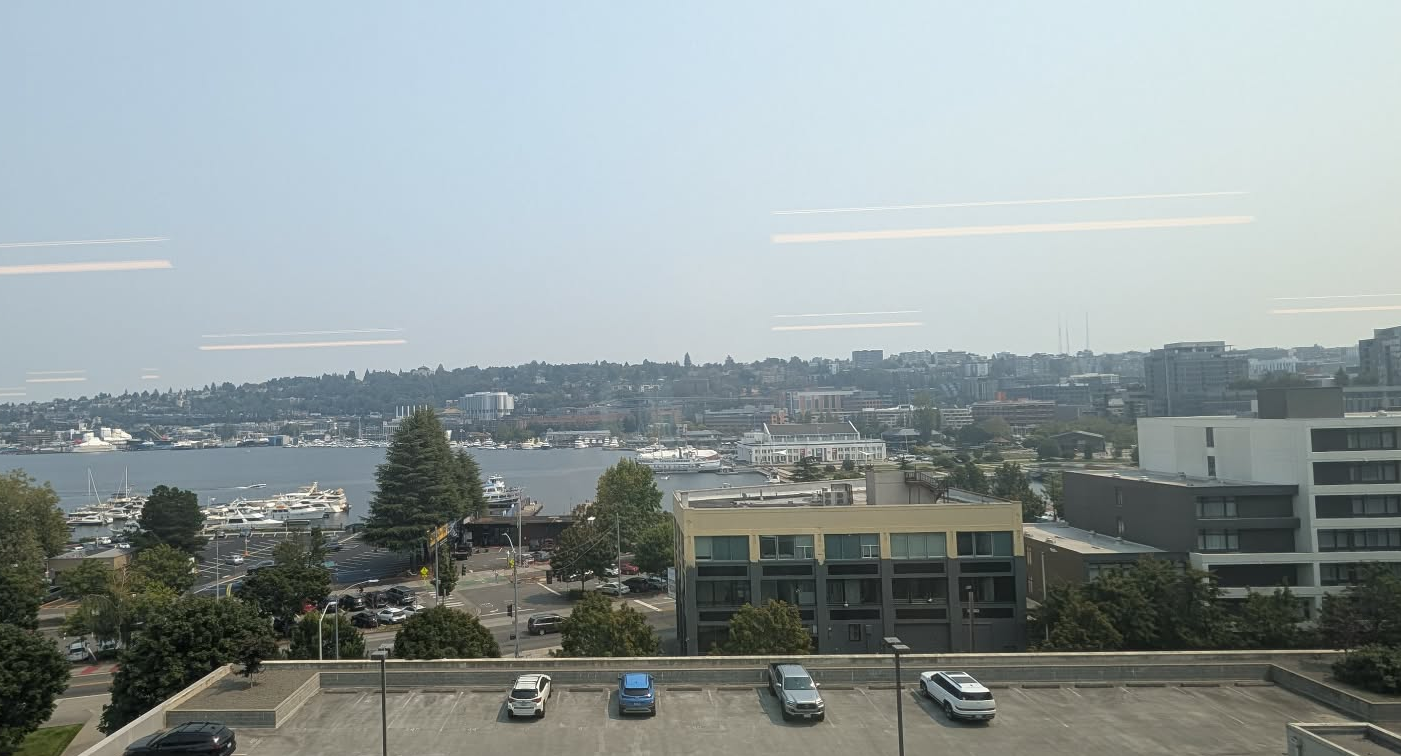
Plaid, the San Francisco-based fintech company, is making a bold move into Seattle’s Westlake neighborhood, and the decision feels as much about human connection as it does about technology. In January, the company will open a new engineering office at 1000 Dexter Ave. N., a bright modern space with sweeping views of Lake Union, an outdoor deck, an event space, and a promise of three catered meals a day. Plaid plans to double its local workforce from about 40 employees to roughly 80 by next summer, a clear signal that the company sees Seattle as more than a satellite outpost. For a company whose name is often unknown to the very people who rely on its technology, this expansion is a powerful statement of intent. Plaid builds the invisible plumbing that connects bank accounts to the apps people use every day, from budgeting tools to investment platforms to payment services. Its new office is designed to bring together the talented engineers, data scientists, and machine learning experts who are working on some of the most important problems in modern finance. But beyond the square footage and amenities, the move represents a bet on the value of physical presence, shared experiences, and the kind of spontaneous collaboration that is hard to reproduce over a video call. After years of remote work and uncertainty about the future of offices, Plaid is choosing to invest in a place where people can gather, talk, and build things together. The Lake Union view is a nice perk, but the real story is about a company putting down roots in a community known for its technical depth and its unique quality of life.
Plaid’s journey began in 2013, when co-founders Zachary Perret and William Hockey wanted to make it easier, safer, and more intuitive for people to connect their financial accounts to the digital services they loved. Before Plaid, connecting a bank account to an app often meant handing over online banking credentials, a process that was both cumbersome and risky. Plaid created a secure layer that sits between banks and fintech applications, handling authentication, data sharing, and account verification behind the scenes. Today, the company says more than 150 million people have connected their financial accounts using its technology, and its network reaches thousands of financial institutions across the country. The company has experienced the dizzying highs and humbling lows of the fintech boom. In 2021, Plaid was valued at an impressive $13.4 billion, a time when investors were pouring money into all things financial technology. By earlier this year, an employee share sale valued the company at $8 billion, a reflection of the broader market correction that has affected many private tech companies. Despite the lower valuation, Plaid remains a critical player in the ecosystem, trusted by banks, startups, and consumers alike. Perret, who has led the company through regulatory challenges, high-profile partnership disputes, and shifting consumer behavior, has often spoken about the importance of building products that people can trust. The Seattle office is part of that story. It is not just a real estate expansion; it is a way to deepen Plaid’s access to talent and to embed itself in a region that has become a hub for cloud computing, artificial intelligence, and cutting-edge software development. For Plaid, the road to the future of finance runs through places like Seattle, where the infrastructure for that future was largely built.
The new office at 1000 Dexter Ave. N. is more than a workplace; it is a carefully designed environment meant to foster creativity and connection. The space spans 11,466 square feet and is tailored for technical teams, with an emphasis on machine learning, data science, and engineering. Plaid’s leaders know that the hardest problems in finance, such as detecting fraud, predicting cash flow, and building AI models that understand how money moves, require deep focus and close collaboration. The office will offer quiet areas for concentration, open spaces for teamwork, and a comfortable setting where employees can feel at home. The three catered meals a day are a small but meaningful touch, encouraging people to eat together, talk about their work, and build relationships that go beyond spreadsheets and code. The outdoor deck and event space add another layer, giving employees a place to recharge, host visitors, and celebrate milestones. Seattle’s Westlake neighborhood, with its proximity to Amazon’s sprawling campus and its mix of shops, restaurants, and parks, provides an energetic backdrop. It is a place where the city’s tech culture is on full display, and Plaid is eager to be part of that fabric. Meghan Welch, Plaid’s chief people officer, captured the mood when she told The Seattle Times, “There’s just great talent in Seattle, so it’s a little bit of a no-brainer for us.” That sentiment reflects a broader trend among tech companies rediscovering the benefits of physical offices after a long period of remote-first experimentation. Plaid is not abandoning flexibility; instead, it is adding a vibrant hub where employees can choose to come together, share ideas, and feel a sense of belonging. The office is a symbol of optimism, a place where the future of financial technology will be built by people who know their colleagues by name, not just by their profile pictures.
Plaid’s hiring plans are as ambitious as its office design. The company’s careers page lists more than 50 open roles that could be based in Seattle, though many are also available in San Francisco, New York, or other cities. Roughly half of those positions are in data, engineering, or security, which is not surprising for a company whose core mission is to move financial information safely and efficiently. The remaining roles span sales, legal, finance, and other business functions, reflecting the need for a well-rounded team to support growth. For candidates, the Seattle openings offer an exciting opportunity to work on problems that affect millions of people: enabling financial access, protecting sensitive data, and building tools that help individuals and small businesses thrive. The fact that Plaid already has about 40 employees in the Seattle area, currently working remotely, means the company is building on an existing foundation. Those employees already embody Plaid’s culture and values, and the new office will give them a shared home. It will also make Plaid more attractive to people who have been looking for a reason to stay in Seattle or to move there from elsewhere. The tech industry has spent the past several years rethinking the role of the office, and Plaid’s approach reflects a growing consensus that a hybrid model works best: give people the freedom to work remotely, but also provide inspiring spaces where they can collaborate in person. The Westlake office is designed to be that kind of space, a place where local employees can gather, visitors can feel welcome, and new hires can experience the company’s culture firsthand. For the employees who have been working from their kitchens and living rooms, the transition to an office will be a change, but the amenities and location are designed to make it an appealing one. And for the company, doubling the Seattle team is a vote of confidence in the region’s ability to deliver world-class technical talent.
Why Seattle, though? Plaid’s own blog post points to an important truth: much of the cloud and artificial intelligence technology behind modern financial infrastructure was built right there in the Pacific Northwest. Seattle has long been a cradle of innovation, from the early days of Microsoft and Boeing to the rise of Amazon e-commerce and cloud computing, to the current wave of AI startups and research labs. The region is home to a deep pool of engineers who understand how to build systems at enormous scale, and that expertise is exactly what Plaid needs. The company is developing AI models trained on its own network, which contains vast amounts of anonymized data about how money moves through the economy. By studying patterns in transactions, Plaid hopes to help people better understand their financial lives, alert them to risks, and create products that adapt to their needs. But working with financial data comes with enormous responsibility. Plaid must navigate strict privacy regulations, maintain the trust of consumers, and ensure that its AI systems are fair, transparent, and secure. Seattle’s tech community is known for thinking carefully about the ethical dimensions of technology, making it a natural place for this kind of work. The city’s universities produce a steady stream of talented graduates, and its mix of established companies and startups creates a dynamic ecosystem where ideas can cross-pollinate. For Plaid, opening an office here is not just about filling seats; it is about becoming part of a community that values innovation, impact, and a sense of purpose. The Lake Union views and the neighborhood’s lively streets are reminders that Seattle offers a high quality of life, which helps draw and retain the kind of people Plaid wants to hire. Engineers and data scientists today are looking for more than just a paycheck; they want to work on meaningful problems in a place where they can live well. Plaid’s new office speaks to both desires, offering a sophisticated workspace in a city that balances professional ambition with natural beauty. It is a strategy that makes sense both emotionally and practically, and it positions Plaid to compete for talent in one of the most important tech markets in the world.
Looking ahead, Plaid’s Seattle expansion says something hopeful about the future of work and the resilience of the fintech industry. The company has weathered the storms of market volatility, regulatory scrutiny, and changing consumer expectations, and it has emerged with a clear sense of purpose. Its valuation may have dropped from the dizzying heights of $13.4 billion, but the need for its services has only grown. People use more financial apps than ever; businesses rely on digital payments; and the boundaries between banking, spending, and investing are blurring. Plaid sits at the center of these shifts, and the success of its AI initiatives in Seattle will help determine whether it can stay ahead of the curve. The new office is also a symbol of renewal for the modern workplace. After years of debate about whether offices would survive the remote-work revolution, Plaid is making a deliberate bet that they will, at least for teams that need to build complex products together. The company is investing in spaces, meals, and community because it believes that face-to-face interactions are essential to innovation. There is something magical about the moment when a problem becomes clear during a conversation by the coffee machine, or an idea takes shape on a whiteboard between two people who have just stopped by each other’s desks. Those moments are hard to manufacture virtually, and Plaid understands that. For Seattle, the arrival of Plaid adds another important name to a growing list of financial technology companies, helping to diversify the city’s economy and bring new energy to the Westlake neighborhood. For the employees who join Plaid in the coming months, the opportunity is personal and professional: a chance to work at the intersection of finance and artificial intelligence, in a city they love, with a team that values both excellence and human connection. The company’s plaque on the door at 1000 Dexter Ave. N. will mark the start of a new chapter, not just for Plaid, but for the people who will bring that office to life. The future of money may be digital, but in Seattle, it will be built by real people, sharing meals, swapping stories, and working together to make a difference.