

Washington just took a big step toward making the future of flying a whole lot cleaner, and it’s the kind of news that deserves a little attention. For years, the idea of airplanes running on fuels made from things like used cooking oil, captured carbon, and agricultural waste has felt like a dream. But now, the state has officially crossed a major threshold that could turn that dream into a real industry. Governor Bob Ferguson announced that Washington has reached the capacity to produce at least 20 million gallons of sustainable aviation fuel, or SAF, every year. That number matters because it unlocks a suite of tax incentives starting January 1, including a credit of $1 per gallon for qualifying fuel, and up to $2 per gallon for fuels that deliver even deeper emissions cuts. The announcement came after the Department of Ecology surveyed potential producers and confirmed that Phillips 66’s Ferndale refinery alone has enough capacity to meet the benchmark. It’s worth noting that this is about production capacity, not actual output—so the state is ready to make the fuel, even if the tanks aren’t full yet. But the signal is clear: Washington is positioning itself as a serious player in the race to decarbonize aviation.
For anyone who has ever looked out an airplane window and wondered about all that jet fuel being burned, sustainable aviation fuel is one of the most exciting near-term solutions out there. The reason is practical: SAF can be blended with conventional jet fuel and used in existing planes without requiring new engines or major modifications. That means airlines don’t have to wait for some revolutionary aircraft design to start cutting emissions; they can start today by simply changing what goes into the tank. But there’s a catch, and it’s a big one. SAF is still significantly more expensive than petroleum-based jet fuel, and the amount being produced globally is nowhere near what the aviation industry needs. This is where Washington’s move becomes so important. By offering tax incentives, the state is trying to close that cost gap and attract producers who might otherwise build elsewhere. The hope is that these early investments will create a snowball effect, bringing down costs, scaling up production, and eventually making cleaner fuel the norm rather than the exception. As Jake Gentry, executive director of the Cascadia Sustainable Aviation Accelerator, put it, Washington has unique assets that position it to be a global leader in this transition, and the tax incentive is the final element needed to unleash a tidal wave of opportunity. That accelerator, launched in January, brings together airlines, producers, researchers, and public officials to help make the Pacific Northwest a hub for this emerging industry.
So what exactly goes into sustainable aviation fuel? The beauty of SAF is that it can be made from a wide variety of raw materials, including used cooking oil, animal fats, grease, plants, agricultural waste, and even captured carbon dioxide. The climate benefits depend heavily on what you start with and how much energy goes into the process. When SAF is burned, it still releases carbon dioxide into the atmosphere, just like conventional jet fuel. But the key difference is where that carbon comes from. Petroleum-based fuel pulls carbon out of the ground, releasing ancient carbon that has been trapped for millions of years, which adds to the total amount of greenhouse gases in the atmosphere. SAF, on the other hand, recycles carbon that is already in circulation, whether it was recently absorbed by plants or captured from industrial emissions. To qualify for Washington’s tax credit, the fuel must have emissions at least 50 percent lower than conventional jet fuel, so not every so-called sustainable fuel makes the cut. This standard is important because it prevents greenwashing and ensures that the incentives actually lead to meaningful climate benefits. Washington’s production capacity may be smaller than some facilities elsewhere—like the Diamond Green Diesel plant in Texas that can produce up to 235 million gallons annually—but the state is betting that its combination of policies, resources, and innovation will give it an edge. And with the minimum threshold met, every SAF producer in Washington becomes eligible for the tax credit, no matter their individual volume.
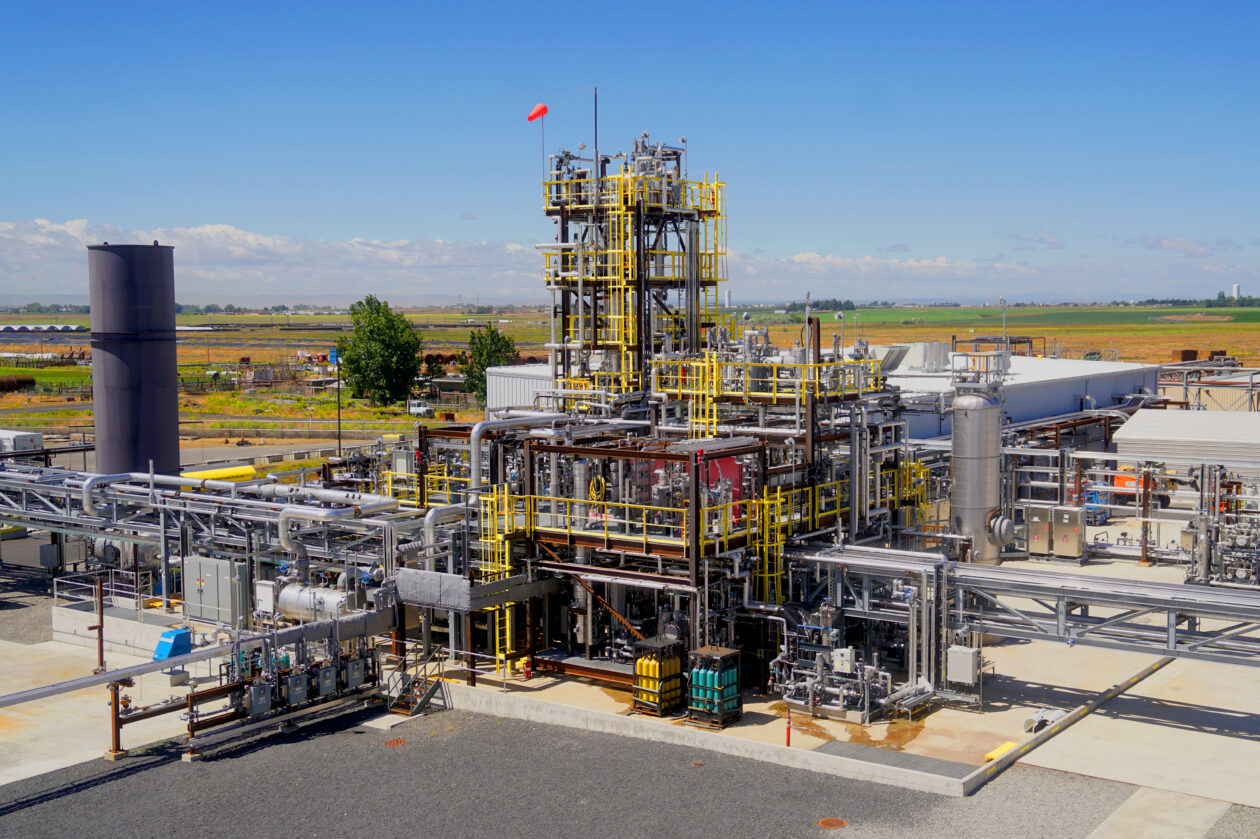
The heart of this story is the companies that are actually doing the hard work of making this fuel a reality. One of the most intriguing is Twelve, a startup that opened its AirPlant One facility in Moses Lake last year and began commercial production this summer. The company uses captured carbon dioxide and water to create a fuel that has the potential to be among the most climate-friendly SAF available, which could unlock the largest state tax credits. Twelve’s CEO and co-founder, Nicholas Flanders, welcomed the governor’s announcement, calling it an extraordinary signal of support for the industry. He said Washington is building the leading foundation in the country for next-generation domestic fuel production, and Twelve is ready to build upon it. That confidence is backed by ambition: AirPlant One is designed to make up to 50,000 gallons of SAF per year, a relatively small amount, but AirPlant Two, a much larger facility that could produce tens of millions of gallons annually, is already in development. The company hasn’t announced where it will be located, but the fact that they’re expanding at all is a promising sign. Another major player is SkyNRG, a Dutch-owned company building a SAF facility in Walla Walla. That project plans to use renewable natural gas captured from landfills and dairy waste as a feedstock, which is another clever way to turn pollution into propulsion. Earlier this year, leaders said the company had secured key environmental approvals and expects to start commercial operations in 2030. These projects are still early, but they represent the kind of real-world innovation that could transform the aviation industry.
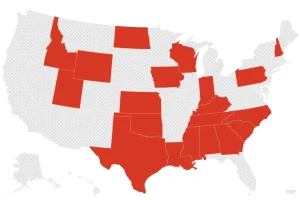
Of course, none of this is easy, and the economics of scaling up SAF are formidable. Washington has some natural advantages, including relatively affordable hydroelectric power, which has long attracted climate tech companies. But the state’s power supply is under increasing pressure from data centers and other growing electricity demands. There’s also stiff competition from other states that are offering their own SAF tax incentives. Illinois and Minnesota already have credits, and Nebraska’s program is set to begin next year. On top of that, a federal credit for SAF was reduced from $1.75 per gallon to $1 after President Donald Trump returned to office, making state-level support even more critical. Washington leaders believe they have a unique combination that other places can’t easily replicate. It’s the only state that offers both a SAF tax credit and a clean fuel standard. Together, these policies make cleaner jet fuel more cost-competitive by providing tax benefits and allowing SAF producers to earn credits that they can sell to other fuel suppliers who need to meet the state’s emissions requirements. This creates a powerful economic incentive that goes beyond just the initial tax break. But the challenges don’t end there. Converting an entire industry away from fossil fuels requires massive investment, new supply chains, and a willingness to take risks. The companies involved are betting that early movers will be rewarded, and Washington is betting that being a leader in this space will pay off in jobs, economic growth, and environmental benefits.
Looking ahead, the future of sustainable aviation fuel in Washington is full of both promise and uncertainty. The state is not just relying on tax credits; it’s also investing in research and development through partnerships with Washington State University to develop regional feedstock supplies, including waste from logging and agriculture. That’s important because one of the biggest hurdles for SAF is finding enough sustainable raw material to produce it at scale. By using local waste streams, Washington could create a circular economy where the forestry and farming industries feed the aviation sector, and the aviation sector helps clean up emissions. The Cascadia Sustainable Aviation Accelerator is also playing a key role, helping producers secure financing, develop feedstocks, and connect with customers. Governor Ferguson framed the announcement as part of a larger story: between Washington’s long history of aviation innovation, intentional investments into the sector, and climate-forward policies, the state is making sure it’s the best place in the country to produce sustainable aviation fuels. There’s a long way to go, and no one is pretending that a tax credit alone will solve the climate crisis. But milestones matter. Reaching the 20 million gallon capacity threshold is more than just a bureaucratic checkbox; it’s a declaration that Washington intends to be a leader in cleaner flight, and that the state is willing to put its money where its mouth is. For anyone who cares about the future of travel and the planet, that’s a reason to feel a little more hopeful.