

Paragraph 1
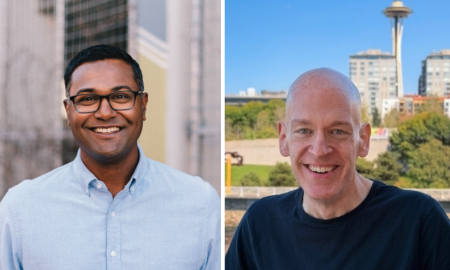
There are certain weeks when the pulse of the Pacific Northwest’s tech community feels like it shifts beneath your feet, and this week was undeniably one of them. The headline that led the charge was a seismic one, echoing across the defense and aviation sectors: Shield AI, the formidable defense technology company building its autonomous X-BAT fighter jet just south of Seattle, announced a monumental agreement to acquire the Kirkland-based radar maker Echodyne. The deal, valued at up to a staggering $5.3 billion, isn’t just a financial transaction; it’s a profound statement about the region’s trajectory. For years, the Pacific Northwest has been synonymous with cloud computing, social media, and e-commerce—think Amazon, Microsoft, and Meta. But this acquisition signals a bold new chapter, positioning the Seattle area as a serious and increasingly influential hub for defense technology. It’s a narrative that resonates deeply with the local engineering talent who have watched Silicon Valley hoard the limelight, and it carries the intimate, hometown-hero vibe of a story that feels personal. At the heart of this tale are the Tseng brothers, Brandon and Ryan, the co-founders of Shield AI, who grew up on the leafy, waterside enclave of Mercer Island. Their journey from local kids with a passion for technology to the helm of a multi-billion-dollar company spearheading autonomous aviation is a testament to the enduring allure of the Seattle spirit. The acquisition of Echodyne, a pioneer in metamaterial-based electronic scanning radar, melds perfectly with Shield AI’s mission to create aircraft that don’t just fly, but think, navigate, and operate independently in contested environments. Combined, they are building a vertical integration that could redefine how the military and private sector approach reconnaissance and air superiority.
Paragraph 2
However, the sheer magnitude of this deal forces us to look beyond the balance sheets and into the intricate dance between private enterprise, public policy, and national security. The midterm election results, which had just been tallied days before, hang heavy in the air, and the podcast did not shy away from dissecting their potential impact on the sector. A shift in political winds in Washington, D.C., can ripple through defense budgets with the force of a tidal wave. Whether the new Congress leans toward bolstering military spending to counter global adversaries, or pivots toward fiscal austerity and social programs, the impact on companies like Shield AI would be immediate and tangible. For the engineers in Redmond and the radar specialists in Kirkland, this political churn translates into a very human anxiety—a concern about contract renewals, program funding, and the longevity of the exciting projects they’ve dedicated their careers to. The conversation humanizes the often-abstract concept of “government contracts” by framing it through the lens of local jobs and the morale of the skilled workforce. It’s a reminder that the fighting drones soaring in test ranges are only as good as the collective confidence of the people who build them, a confidence that is heavily tethered to the political stability and procurement priorities of the US government. As the Tseng brothers rely on the agility of their corporate structure, the industry must remain fluid, anticipating not just technological hurdles, but the inevitable policy pivots that come with every election cycle, ensuring that the region’s nascent defense ecosystem doesn’t get caught in the crossfire of partisan gridlock.
Paragraph 3
Yet, while the defense tech sector basked in billion-dollar glory, a very different, grittier battle was being fought at the grassroots level across the country, and it involves the very infrastructure that powers our digital lives: data centers. The podcast delved into the striking results of a wave of local ballot measures that saw voters back limits on data center development in 40 out of 41 communities, a staggering majority that included more than half of the measures originating in Ohio. This represents a profound collective backlash from local residents who are growing weary of the relentless march of these massive, power-hungry facilities. It’s easy to view data centers as abstract repositories of cloud information, but to the people living adjacent to them, they are noisy, water-intensive, and eyesore-inducing realities. The human element here is palpable—neighbors comparing utility bills, farmers watching water tables drop, and town councils grappling with zoning codes in a desperate attempt to reclaim their community’s character. The discussion takes a darker turn with reports that foreign actors are actively amplifying this discontent, using social media to stoke the flames of resentment and deepen the fractures between tech giants and local populations. This isn’t merely about NIMBYism; it is a complex web of genuine environmental concern mixed with coordinated disinformation. This tension lands squarely on the desk of Amazon, as the e-commerce giant prepares to break ground on its first data centers right in its home state of Washington. The company is now faced with the unenviable task of navigating a hostile legislative environment, where its own neighbors are drawing lines in the sand, demanding transparency, accountability, and a more balanced partnership than the “beggar thy neighbor” approach that has soured public opinion elsewhere. It’s a David-and-Goliath story playing out in real-time.
Paragraph 4
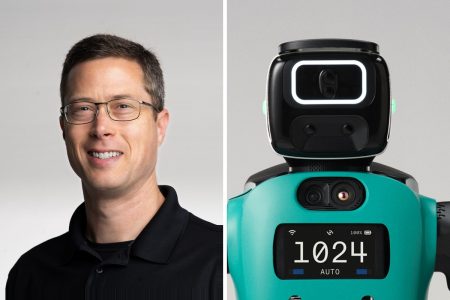
Amidst the turbulence of the mega-deal and the cultural firestorms, a quieter but equally telling signal emerged regarding the health of the startup ecosystem: the return of mergers and acquisitions. One poignant story highlighted in the podcast involved Suplari, a promising Seattle startup that was acquired by the digital document giant Docusign. The nuance lies in the fact that Suplari’s journey was far from a straight line to success. Nearly three years prior, Microsoft had spun the company back out to its founders, a decision that could have easily crushed the venture. To see it now find a new home—and likely a lucrative exit for its backers and employees—speaks volumes about the resilience of the Seattle founding community. It’s a narrative of failure, redemption, and strategic rebirth that resonates deeply with anyone who has ever faced a setback in the volatile world of tech. Alongside this deal, the mention of Agility Robotics’ public listing adds to the growing sense of a thaw in a previously frozen capital market. After a couple of lean years where founders struggled to raise funds and exits were few and far between, the tide appears to be turning. The hosts discuss this trend with a palpable sense of relief, humanizing the stress that has been simmering in startup kitchens for the past few years. For the venture capitalists writing checks and the engineers holding stock options, this pickup in M&A activity is a lifeline. It validates the long hours, the sacrifices, and the gambles taken. The TechCrunch-style “M&A is back” narrative isn’t just about big money; it’s about the restoration of hope and mobility for the thousands of people who bet their careers on the promise of innovation.
Paragraph 5
Stepping away from the flow of capital and the heat of political campaigns, the podcast always makes sure to anchor its discussions in the celebration of human achievement, and this week’s GeekWire Trivia Challenge provided just that heartwarming pivot. The trivia focused on Mary Brunkow, one of this year’s GeekWire Uncommon Thinkers, and a recent Nobel Prize winner. The specific question—how she found out she had won the Nobel—seems like a lighthearted icebreaker, but it opens the door to a deeply intimate and relatable story of how life-altering news can arrive in the most mundane or surprising of circumstances. Perhaps it was a 5 a.m. phone call from Stockholm that shattered the morning silence, or a flurry of missed calls and texts that built suspense before she could even understand what was happening. Humanizing these moments is what separates a corporate announcement from a living, breathing legend. The story of Brunkow serves as a powerful reminder that behind every monumental achievement—whether it be a $5.3 billion acquisition or a peace prize—there is a person checking their email, walking their dog, or pouring a cup of coffee when the universe decides to change their trajectory. The podcast uses this trivia to build anticipation for the GeekWire Gala on Dec. 10, a night dedicated to honoring these Uncommon Thinkers. It’s an event that transforms the often-analytical tech community into a celebration of human curiosity and persistence. It allows the audience to stand up, applaud, and feel a sense of communal pride in the brilliant minds that call the region home, celebrating not just what they have built, but who they are as people wrestling with the implications of their own discoveries.
Paragraph 6
Wrapping up this dense and fascinating week, the podcast serves as the perfect vessel for navigating the contradiction of scale and intimacy that defines modern tech. As hosts Todd Bishop and John Cook trade insights with the ease of long-time colleagues and friends, they manage to weave together a tapestry that stretches from the stratosphere of national defense contracts above the clouds of an autonomous X-BAT fighter, all the way down to the granular frustrations of a citizen voting on a zoning law in Ohio. The production values—the crisp editing by Curt Milton and the atmospheric soundscape composed by Daniel L.K. Caldwell—turn what could be a chaotic jumble of news into a cohesive narrative experience. Listening to the episode feels less like reading a trade journal and more like sitting at a table with two sharp observers who have their fingers on the pulse of the community. They acknowledge that the rise of defense tech brings both opportunity and ethical questions, that the backlash against data centers reveals a deeper societal rift, and that the survival of startups relies on both grit and favorable winds. It’s a reminder that the umbrella term “tech news” encapsulates labor disputes, geopolitical strategy, pure human genius, and the anxiety of local homeowners. By the end of the segment, the listener is left with a comprehensive picture of a region in flux, driven by billion-dollar bets, yet tethered to the very human concerns of its residents. It prompts us to subscribe, to stay engaged, and to prepare for the inevitable surprises that next week will certainly bring, because in the Pacific Northwest, the only constant—from Mercer Island to the halls of Congress—is relentless, transformative change.