



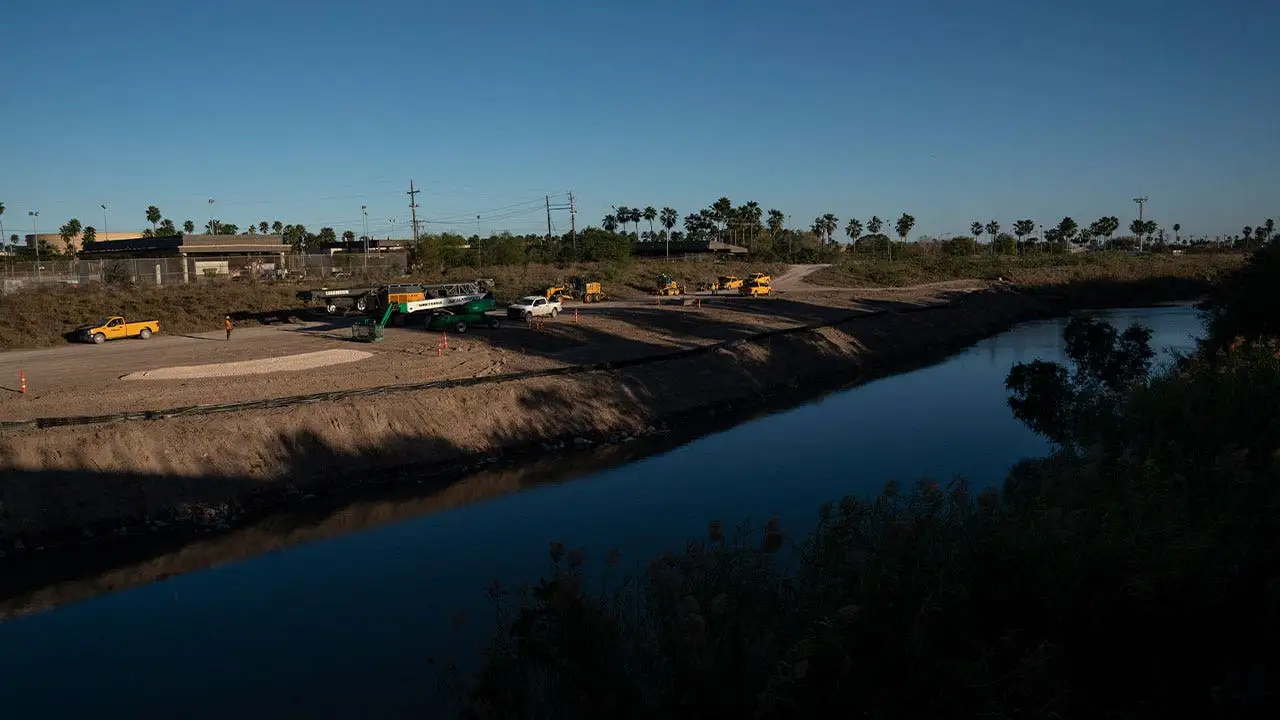
In the chaos that has long defined Mexico’s border towns, there are moments so devastating that they pierce through the numbing headlines of cartel violence. The death of Aranza Aidelany Pardo was one of those moments. She was only seven years old, a little girl with a bright future and the unique status of holding citizenship in two countries—the United States and Mexico. On October 29, in the city of Matamoros, which sits just across the Rio Grande from Brownsville, Texas, Aranza’s life was cut short not in a random act of street crime, but in the middle of a security operation meant to capture a powerful cartel figure. According to her mother, Claudia Pardo García, the bullet that killed her daughter came not from a cartel gunman, but from above—from a helicopter operated by Mexican state police. The accusation is staggering, and it has turned this tragedy into an international flashpoint, raising painful questions about how safety is pursued in a country where civilians so often pay the highest price. What should have been an ordinary drive home from a day out with family became a nightmare from which no one in the Pardo family will ever truly wake. The world learned of Aranza through reports from The Associated Press, but to those who loved her, she was not a statistic or a byline. She was a daughter, a sister, a granddaughter, a child who belonged to two nations and now rests in the arms of grief.
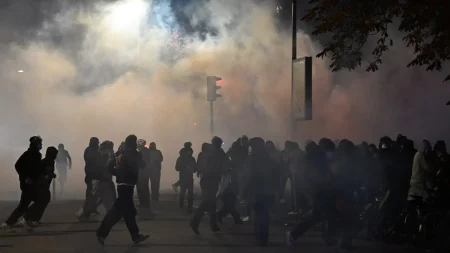
The context of Aranza’s death is essential to understanding how such a tragedy could unfold. The security operation that day was aimed at a man named Axel Alfredo Cárdenas Rodríguez, whose street name is El Titán. He is the son of an alleged leader of the Gulf Cartel and the nephew of Osiel Cárdenas Guillén, the cartel’s imprisoned founder. For years, Mexico has been locked in a violent struggle between security forces and the country’s powerful organized crime groups, and the Gulf Cartel has remained one of the most feared names in the northern border region. On that October morning, security forces closed in on El Titán in a carefully orchestrated operation. They succeeded in taking him into custody, which made the operation, at least from an official perspective, a significant victory. But the cost was appalling. In the ensuing chaos, at least six people were killed, and Aranza was among them. As is so often the case in cartel-dominated regions, the operation triggered a desperate response from the criminal organization. Roadblocks began to appear—burning vehicles and armed gunmen taking positions to slow down the authorities or to seal off entire neighborhoods. In this terrifying landscape, ordinary families were caught in the middle. The official narrative would speak of a targeted mission against a dangerous criminal. But the reality for those on the ground was that of a war zone, where a little girl’s life could be erased in an instant, not only by criminal gunfire but also by the very forces sent to restore order. It is a painful irony, and one that the family now has to live with every day, knowing that the operation’s success came at the cost of their daughter’s life.
For the Pardo family, the day began like so many others. They were returning home—a wife, a husband, five children, all together in a vehicle, likely tired from whatever errands or visit had taken them out. It was in the middle of this routine journey that they found their peaceful trip shattered. The cartel roadblocks had risen up without warning, turning streets into barriers of fear. Faced with these obstructions, the family made the choice that many would make: they took a rural shortcut, hoping to find a safer, less inhabited path around the chaos. It was then that their ordeal took an even more terrifying turn. According to Aranza’s mother, a state police helicopter began to hover above their vehicle. It followed them, then moved around to the front, circling like a bird of prey. In that moment, the family must have been paralyzed with terror. They had done nothing wrong. They were not part of the cartel. They were not involved in the conflict. They were just a family trying to get home. In a desperate attempt to show their innocence, Claudia’s husband made the brave decision to step out of the vehicle with his hands raised. He intended to signal to the security forces that they were civilians, not threats, not criminals. It was the most natural, human response—a plea for mercy and recognition from the people who were meant to protect them. But instead of safety, gunfire erupted. The mother describes a sudden storm of bullets, and in that violent flash, her daughter was struck in the head. Claudia herself was wounded in the leg. It is almost impossible to imagine the scene: a father standing defenseless, a mother trying to shield her children, and a seven-year-old girl bleeding from a fatal wound.
The immediate aftermath was a blur of pain, fear, and agonizing delay. With her daughter bleeding beside her and her own leg wounded, Claudia Pardo García had no way to know if the gunfire would continue, no way to protect her other children, no way to summon help. She told the AP that emergency personnel took more than two hours to arrive. Two hours in which a dying child could not receive medical care. Two hours in which a mother watched helplessly as her daughter’s life slipped away. Two hours that no amount of official apology or investigation can ever give back. The toll of that delay is incalculable. In her grief, Claudia has made a direct and painful accusation: the fatal shot came from the helicopter that was following her family. She believes the police officers aboard opened fire on them, despite seeing a man with his hands raised in surrender and a vehicle filled with children. The accusation raises profound questions about the rules of engagement in Mexican security operations, about the use of lethal force from aircraft in civilian areas, and about the training and discipline of the officers who had been sent to capture a cartel leader. It also highlights the painful reality that for many innocent families, state forces and criminal organizations can blend into the same indistinguishable terror. When bullets come from above, it does not matter whose gun fired them to a child. The result is just as final.
Mexican authorities have not ignored the case. According to Tamaulipas Public Security Secretary Carlos Arturo Pancardo, three officers who were aboard the helicopter are under investigation, although they have remained on active duty as the probe continues. This detail, in itself, is difficult for the family to accept. How can those who may have ended a young girl’s life continue with their daily routines while the family prepares for a funeral? The state prosecutor, Jesús Govea, has said that investigators are speaking with witnesses and reviewing video and ballistic evidence to determine who fired the fatal bullet. This is a critical part of the process, and it is exactly what should be done. But in a country where impunity for both cartel members and security forces is notoriously high, the family’s trust in the system is understandably fragile. The fact that three officers remain in service is a painful reminder that justice is not immediate, and that the truth may take months, if not years, to emerge. And even if the shooter is identified, there is no guarantee of meaningful accountability. For Claudia and her family, every day without answers is a continuation of their suffering. They have already lost Aranza; they cannot afford to lose the truth as well. The international dimension of the case puts added pressure on the investigation. Because Aranza was a U.S. citizen, the FBI has been in contact with the family, alongside representatives from the U.S. consulate. Their involvement suggests that the case will be watched closely from Washington, and that the Mexican government will be expected to respond not only to Mexican public opinion but also to the concerns of an ally.
In the end, Aranza’s life and death are not only a political issue or a law enforcement issue. They are a human tragedy that speaks to the fragile nature of life in border communities, where cartel violence and state security operations coexist in a constant state of tension. Matamoros is a city of hardworking people, many of whom have family ties in the United States, who cross the border for school, work, and medical care. It is a city where everyday life takes place against the backdrop of danger, where people learn to navigate roadblocks and stay out of sight after dark, and where a simple drive home can become a death sentence. Aranza was a child of that place, and a child of America too. Her future included all the possibilities that childhood promises—school, friendships, dreams, a long life. Instead, she has become the face of civilian casualties in Mexico’s cartel war, a symbol of the innocent lives that are often reduced to numbers in official reports. Her mother, Claudia Pardo García, has given voice to the family’s sorrow in the face of a devastating loss. She has demanded answers, and she has accused the state police of killing her daughter. It is an accusation that will be tested by the investigation, but it is also a mother’s raw and heartfelt truth from the worst day of her life. As the international community looks on, and as American and Mexican authorities respond to the case, the family asks only for justice for a seven-year-old who never had the chance to grow up. They ask that her death not be forgotten in the next wave of violent headlines. They ask that the world remember Aranza’s name, not just as a casualty of cartel conflict, but as a little girl who is profoundly loved and profoundly missed. The least that can be done in her memory is to seek the truth, hold the accountable, and reflect on how the fight against organized crime can avoid harming the very people it claims to protect.