



The recent midterm elections have dramatically altered the political landscape in several key states, opening a new and potentially decisive front in the long-running battle over how America elects its president. With Democrats now holding the governorship and both legislative chambers in states like Michigan, Pennsylvania, Wisconsin, and Nevada, the path has been cleared for a legislative push that could fundamentally reshape the 2028 presidential race. These states are prime targets for the National Popular Vote Interstate Compact, an agreement that, once enacted by states representing a majority of the Electoral College, would effectively guarantee the presidency to the candidate who wins the national popular vote. The compact already has commitments from 18 states and Washington, D.C., representing 222 electoral votes. If these four newly Democratic-controlled states were to join, their combined 50 electoral votes would push the total to 272, surpassing the 270 needed to activate the agreement and altering the way the presidency is decided without a single change to the Constitution.
The National Popular Vote organization, the nonprofit group that authored the compact and is leading the campaign to enact it, has declared that it is now more confident than ever. The organization’s senior consultant, Patrick Rosenstiel, has stated publicly that they have identified multiple legislative sponsors in each of the five target states, including Arizona, which could push the total even higher if Democrats gain control there. The plan is to pre-file bills before the 2027 legislative sessions or introduce them at the very start, demonstrating a sense of urgency and strategic preparation. The organization believes the political moment is ripe, as a vast majority of Americans have consistently expressed support for a system where the candidate with the most votes wins. With the midterm results shifting the balance of power in these crucial states, NPV views the upcoming sessions as its clearest opportunity yet to achieve the 270 electoral votes needed to make the national popular vote a reality for the next presidential election.
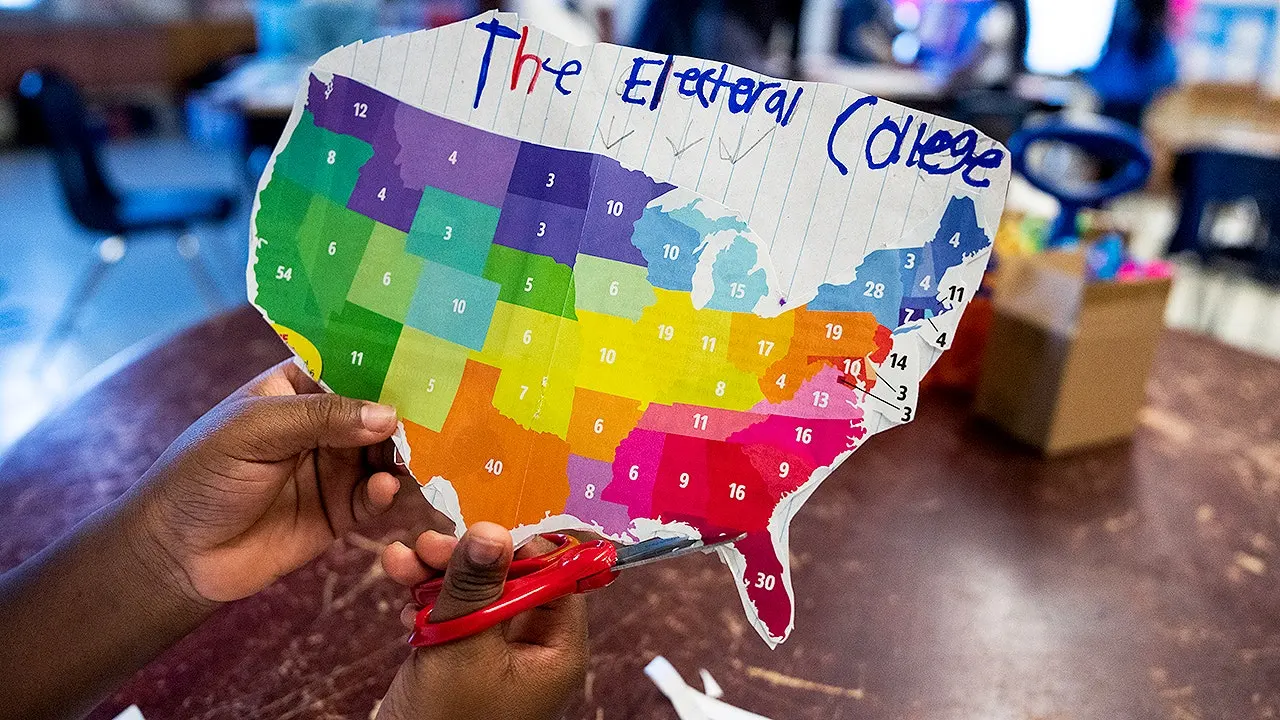
At its core, the compact is a clever workaround of the existing Electoral College system. Under the current framework, every state except Maine and Nebraska awards all of its electoral votes to the candidate who wins the statewide popular vote. The compact would not abolish the Electoral College; instead, it would change how participating states allocate their electors. Once the compact is active, these states would pledge their electors to the candidate who wins the nationwide popular vote, regardless of the outcome within their own borders. This mechanism effectively makes the national tally the sole determinant of the presidency, while preserving the legal formality of the Electoral College. Supporters argue this would give every single vote in every single state equal weight by counting all ballots toward one grand total, eliminating the scenarios where a candidate can lose the popular vote but win the presidency based on a handful of swing states, an outcome that has occurred in several recent elections.
Proponents of the compact frame their fight as a fundamental issue of democratic fairness. They argue that under the current Electoral College structure, presidential candidates are incentivized to campaign almost exclusively in a few battleground states, ignoring the needs and concerns of voters in solidly red or blue states. A national popular vote, they contend, would force candidates to build a truly national campaign, appealing to voters across all states and political spectrums, and would ensure that the candidate who receives the most votes actually takes office. This argument resonates with a public that has seen two of the last five presidential elections produce a winner who did not win the national popular vote, an outcome that many view as undemocratic and a distortion of the voters’ will. For them, the compact is a practical, state-led solution to fix a systemic flaw without the arduous and politically fraught process of a constitutional amendment.
However, the compact faces formidable and deeply entrenched opposition, particularly from conservatives who view it as an unconstitutional power grab that would dismantle a system intentionally designed by the founders. Election law experts argue that the compact would fundamentally alter the structure of the federal government by rendering the Electoral College meaningless. They contend that the Constitution’s Compact Clause requires congressional consent for any agreement between states that changes federal dynamics, and this compact certainly meets that criteria. Hans von Spakovsky, a former FEC commissioner and election law expert with Advancing American Freedom, has been vocal in his opposition, arguing that the compact is an unprecedented attempt to change a fundamental constitutional structure without going through the proper amendment process. He and other critics believe such an agreement is undemocratic in its own right, as it would allow a group of states to decide the outcome of a national election for all states, effectively overriding the rights of states that do not participate and creating a system where a few large states control the presidency.
This legal and political battle is set to unfold in the courts and Congress in the coming years. The timeline to activate the compact for the 2028 election is incredibly tight, requiring all state legislation to be finalized and all legal challenges to be resolved by July 2028. The central legal questions are profound: Does Article II, Section 1 of the Constitution give states the exclusive power to appoint their electors in any way they see fit, as the compact’s supporters argue? Or does the Compact Clause require congressional approval, which could be passed with a simple majority, a scenario that could easily be achieved in a chamber controlled by Democrats? While the Supreme Court would have the final say, the simple act of activating the compact is a direct challenge to the status quo, and the resulting litigation would be unprecedented and legally complex. Regardless of the outcome, the path forward is clear: this is a significant and serious plan to change the way the presidency is won, and with the political wind now at its back, the battle for the future of American presidential elections has truly begun.