

Kerala, a verdant strip of land along India’s southwestern coast, has long been synonymous with its iconic Kettuvallam houseboats. For many, the image of these majestic, thatched-roof vessels gliding through a labyrinth of serene backwaters is the very essence of the region, drawing countless visitors each year. Yet, to define Kerala solely by its tranquil waterways would be to overlook a rich and multifaceted destination. It is a land where ancient wellness traditions meet vibrant cultural celebrations, and where the warmth of the local people is as inviting as the tropical climate. As P.C. Vishnunadh, the Minister for Tourism and Culture for the Government of Kerala, passionately asserts, the state is a destination for everyone. A family traveling together with disparate interests will find that Kerala offers a tailored experience for each person, from exploring dense, wildlife-rich forests to relaxing on sun-kissed beaches, from delving into a deep culinary heritage to witnessing spectacular cultural performances. The backwaters may be the gateway, but the true journey encompasses a world of experiences.
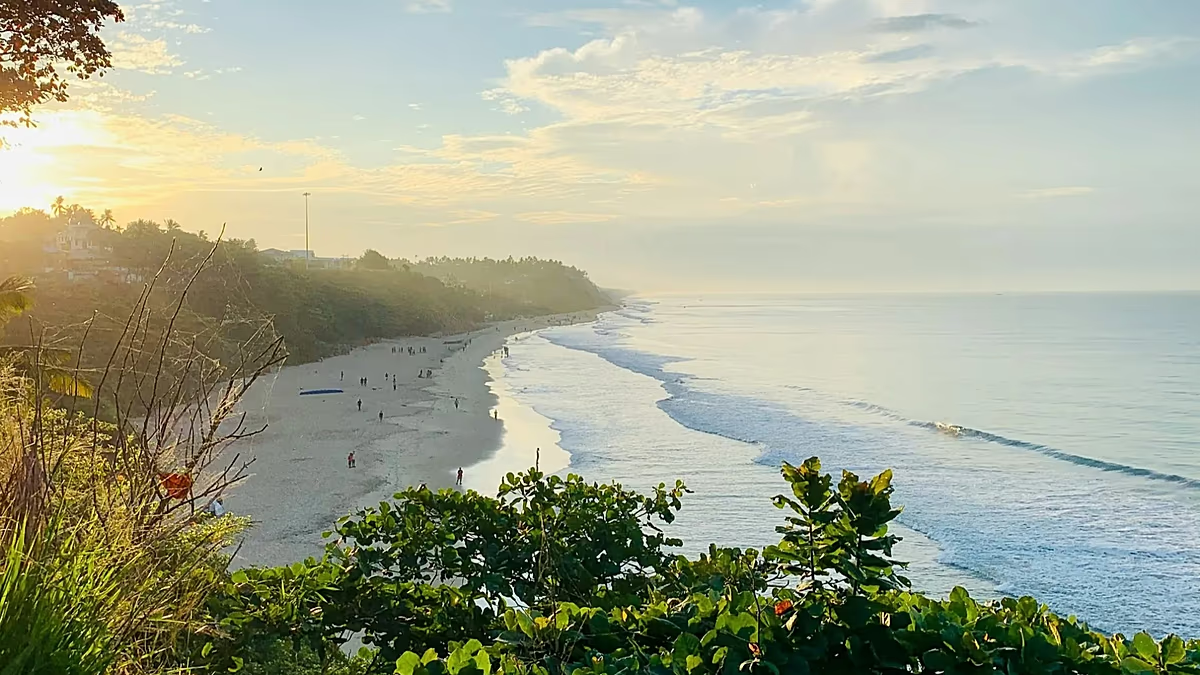
The state’s appeal extends far beyond its famous waterways, inviting travelers to discover its diverse landscapes and traditions. Beyond the calm of the backwaters, Kerala unfolds into the cool, misty highlands of the Western Ghats, where tea and spice plantations carpet the hillsides in every shade of green. Here, one can trek through pristine forests, encounter exotic wildlife like elephants and tigers in their natural habitats, or simply breathe in the fragrant air of a cardamom estate. Then, there are the pristine beaches that fringe the Arabian Sea, offering golden sands and dramatic sunsets, a perfect counterpoint to the region’s inland beauty. Culturally, Kerala is a vibrant tapestry, with classical dance forms like Kathakali and Mohiniyattam, ancient martial arts like Kalaripayattu, and a rich tradition of temple architecture and vibrant festivals. The culinary landscape is equally diverse, a delicious blend of coastal seafood, aromatic spices, and vegetarian specialties, all prepared with generations-old recipes. This incredible diversity is why Kerala’s tourism strategy is built on the promise that there is something for everyone, ensuring that a visit is not just a holiday, but a holistic immersion into a world of natural beauty and cultural depth.
Central to this holistic experience is Kerala’s deep-rooted connection to Ayurveda, an ancient system of medicine that is being promoted as a cornerstone of its tourism offering. For those unfamiliar with it, Ayurveda is far more than a simple massage; it is a comprehensive philosophy of health and wellness that has been practiced in India for thousands of years. It encompasses special diets, meditation, yoga, and a range of therapeutic treatments designed to bring the body, mind, and spirit into balance. In Kerala, this ancient science is not just a relic of the past but a living tradition, practiced in numerous dedicated resorts and wellness centers. The experience is profoundly personal and scientific. As the Minister explains, upon arrival at an authentic Ayurvedic resort, trained doctors conduct a thorough assessment of your physical condition, your constitution, and your specific ailments. This diagnosis then informs a completely personalized treatment plan, which may include herbal oils, therapeutic massages, detoxifying procedures, and dietary recommendations. It is wellness in its truest sense, grounded in millennia of accumulated knowledge and practice, offering travelers an opportunity for deep rejuvenation that goes far beyond the superficial relaxation of a standard spa day, catering to a growing global desire for meaningful and transformative health experiences.
Alongside this focus on individual well-being, Kerala is pioneering a tourism model that prioritizes the well-being of its local communities. A significant and growing trend in global travel is the desire to ensure that tourism benefits the people who call a destination home, and Kerala is channeling this ethos directly into its accommodation sector. Moving away from a model dominated by large corporate hotels and resorts, the state is actively empowering local families to open their homes to visitors. Through a system of subsidies, comprehensive training, and other forms of assistance, the government is enabling village residents to offer homestays, creating a more authentic and immersive experience for the traveler while ensuring that economic benefits are distributed more equitably. This approach not only provides a steady source of income for local people, who may offer just one or two rooms within their own homes, but it also transforms them into vital ambassadors and participants in the state’s tourism network. The interaction between guest and host becomes a genuine cultural exchange, fostering understanding and friendship. Acknowledging the potential of this sector, the tourism board is currently developing a comprehensive directory of these homestays, which will make it easier for tourists worldwide to discover and book these unique, community-driven accommodations, further cementing Kerala’s reputation as a responsible and inclusive travel destination.
Beyond its wellness and community-based initiatives, Kerala is preparing to introduce one of its most spectacular cultural events to the global stage: the harvest festival of Onam. With an eye towards attracting international visitors, the tourism board is planning to promote this vibrant, ten-day-long celebration for the first time in a targeted way. The festival, whose dates are determined by the Malayalam calendar and typically falls in August or September, is a riot of color, music, and tradition. It begins with the grand Athachamayam parade, a spectacular procession featuring ornately decorated elephants marching alongside colorful floats that bring scenes from historical and mythological tales to life. The festivities continue with mesmerizing performances like the Pulikali, where dancers paint their bodies to resemble tigers and leap to the rhythm of traditional drums. On the waterways, the festival is marked by thrilling snake boat races, where long, elegant boats manned by hundreds of oarsmen compete fiercely amidst cheering crowds on the Pampa River. For those with a culinary curiosity, the festival’s highlight is the Onam sadya, a magnificent vegetarian feast served on a fresh plantain leaf. This traditional meal is a gastronomic journey in itself, typically featuring nine courses of curries, soups, lentil preparations, and a variety of traditional desserts, all showcasing the bountiful seasonal harvest. Promoting Onam internationally provides a powerful and inviting window into Kerala’s rich cultural soul.
In essence, Kerala represents a new paradigm in travel, where every experience is an invitation to connect, learn, and rejuvenate. It is a destination that understands the modern traveler’s yearning not just for beautiful sights, but for meaningful encounters and authentic experiences. From the peaceful glide of a houseboat on the backwaters to the invigorating pulse of an Onam parade, from the deeply personal healing of an Ayurvedic treatment to the heartwarming interactions within a local homestay, the state offers a journey that engages all the senses and nourishes the soul. It is a land where the ancient and the modern coexist harmoniously, and where the very culture is one of welcome. By championing wellness, sustainability, and its unique cultural heritage, Kerala is not merely a destination; it is an immersive journey that leaves a lasting impression, promising a transformative experience that goes far beyond a typical holiday and firmly establishing its place as a truly holistic and world-class travel experience.