


Ohio State’s Slump: A New Era of Uncertainty in Columbus
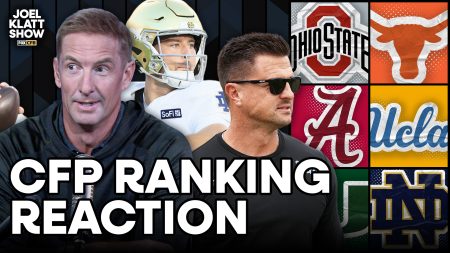
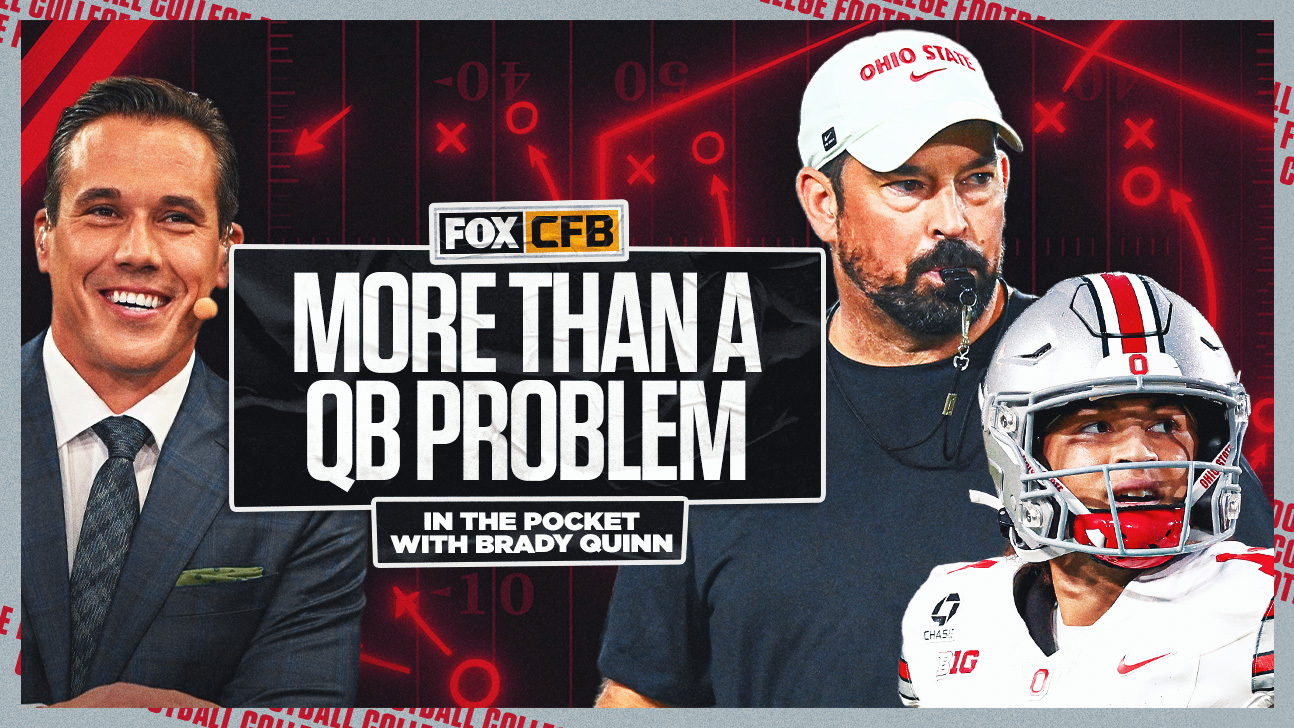
Ohio State finds itself in unfamiliar territory these days, navigating a rough patch that harkens back to the program’s darkest hour. The recent loss to USC marked the Buckeyes’ fourth defeat in their last ten games, a statistic that hasn’t been seen in Columbus since the fallout of the infamous “Tattoogate” scandal back in 2011. That was the season when Jim Tressel resigned amid controversy, leaving assistant coach Luke Fickell to steer the ship through a turbulent 6-7 campaign. Urban Meyer eventually swooped in to restore order, delivering a national championship and reclaiming dominance over Michigan. But now, with the program struggling to find its footing, the echoes of that troubled past are growing louder. Ryan Day’s squad is facing questions about its identity, its resilience, and its ability to compete at the highest level, particularly with a true freshman under center and a fan base growing increasingly restless. The program that once seemed invincible is now fighting to prove it still belongs among college football’s elite.
The loss to USC showcased a team that statistically dominated yet came up short where it mattered most. The Buckeyes controlled the ball, moved the chains, and racked up impressive numbers across the board, but they couldn’t convert their opportunities into touchdowns when it counted. Ohio State penetrated USC territory on eight of eleven drives but managed just twelve points from four trips inside the red zone. That’s where the game was ultimately decided—not in the glamour plays or the highlight-reel catches, but in the grind-it-out moments near the goal line. When you’re settling for field goals instead of punching it into the end zone, you’re leaving points on the table, and against a quality opponent like USC, those missed chances come back to haunt you. The Buckeyes had every opportunity to seize control of the game, but their inability to finish drives proved to be their undoing. It’s a stark reminder that football games are won in the trenches and the tight spaces, not just in the open field where playmakers can shine.
The offensive struggles can be traced largely to the inexperience of quarterback Luke Fahey, who is learning the hard way that the college game moves fast and unforgiving. Between the USC 40-yard line and the end zone, Fahey completed just seven of twenty passes, including a throw that could have easily been intercepted and a costly sack that killed a promising drive. The pressure ratcheted up in those crucial moments, and the freshman’s accuracy suffered as a result. This is the steep learning curve that every young quarterback faces, but few have to navigate it under the bright lights of a program like Ohio State, where patience is scarce and expectations are sky-high. The team’s offensive identity has been built around getting the ball to elite playmakers who can turn short throws into long gains, but that style demands precision from the quarterback. Without that precision, the entire system breaks down, and opposing defenses can crowd the line of scrimmage and dare the young signal-caller to beat them over the top.
There’s a temptation among armchair quarterbacks to point to Ohio State’s 2014 national championship run as proof that the Buckeyes can win with a backup quarterback, but that comparison is flawed. That team was constructed differently, with a dominant running game and a defense that could carry the load when necessary. This squad is built around the passing attack, with a receiving corps that has produced six first-round NFL draft picks since 2022. The expectation is that the quarterback will operate this offense at a high level, distributing the ball to playmakers in space and creating explosive plays. To help Fahey find his rhythm, the coaching staff might consider spreading the field more often, using empty formations to create additional space and force defenses to show their hand. It’s a risky proposition that leaves the quarterback more vulnerable to pressure, but it also opens up throwing lanes and makes it harder for defenses to double-team standout receivers like Jeremiah Smith. Against USC, Ohio State ran just three plays from empty formations, which seems like a missed opportunity given Fahey’s struggles in tight quarters.
Elsewhere around the college football landscape, there’s an intriguing storyline developing in Winston-Salem, where Wake Forest has emerged as a surprising contender under head coach Jake Dickert. The Demon Deacons are riding high behind the play of quarterback Gio Lopez, a left-hander who transferred in from South Alabama via North Carolina and has blossomed into one of the nation’s most efficient passers. Lopez has accounted for twenty-four total touchdowns with just one interception, and his ability to make plays under pressure ranks among the best in the Power Four. His steady improvement throughout the season has given Wake Forest a legitimate shot at competing for an ACC championship and possibly securing a College Football Playoff berth. If the Demon Deacons can navigate a challenging closing stretch against SMU, Georgia Tech, and Duke, they could find themselves in the conference title game with a spot in the playoff on the line. It’s a testament to the new landscape of college football, where roster building and the transfer portal have leveled the playing field for programs that might have been overlooked in previous eras.
The marquee matchup of the weekend pits Miami against Notre Dame in what promises to be a classic battle with echoes of the legendary 1988 clash between these two storied programs. That game featured a dramatic fourth-down conversion, a failed two-point attempt, and a goal-line stand that sealed the Irish victory on their way to a national championship. This year’s edition has all the makings of another instant classic, with two of the country’s most dynamic quarterbacks facing off in a game with major College Football Playoff implications. Notre Dame’s CJ Carr represents the old school, a recruit who committed early and never wavered despite his family’s ties to Michigan, while Miami’s Darian Mensah embodies the new era of college football, having transferred multiple times before landing with the Hurricanes. Both have been spectacular this season, and both are in the Heisman conversation. But it’s Miami’s receiver Malachi Toney, nicknamed “Baby Jesus,” who might be the most electrifying player on the field, a human highlight reel whose ability to separate from defenders and make acrobatic catches has drawn comparisons to the best playmakers in the sport.
As the season winds down, the stakes continue to rise for teams across the country. Ohio State needs to win out to have any hope of reaching the Big Ten championship game, with a formidable Oregon defense standing in their way. Wake Forest needs to keep its foot on the gas to maintain its playoff push. And Miami and Notre Dame are playing for positioning in the playoff bracket and a potential Heisman moment for their star quarterbacks. The beauty of college football lies in these storylines, the way each game carries weight and significance, and the way young athletes rise to the occasion or crumble under pressure. For every seasoned veteran who thrives on the biggest stage, there’s a freshman like Luke Fahey learning the hard lessons that will shape his career. For every established program like Ohio State that’s struggling to find its groove, there’s an upstart like Wake Forest seizing its moment in the sun. It’s a sport that rewards resilience, adaptability, and the willingness to embrace change, and this season has been a testament to those qualities. Whether you’re a fan of the blue bloods or the underdogs, there’s something compelling about watching these teams fight for their place in the college football hierarchy.