


It is easy to get lost in the sheer scale of global travel statistics, but behind every figure is a person with a packed suitcase, a saved-up vacation fund, or a long-awaited family reunion. As the world looks toward 2026, that human truth is shining through more brightly than ever. Despite wars, economic uncertainty, and the lingering pinch of higher prices, the travel industry is not just limping along—it is charging ahead into another record year. International overnight arrivals are projected to hit an astonishing 1.57 billion in 2026, a number that speaks to something fundamental in all of us: the need to see new places, reconnect with loved ones, and simply step away from the routines of daily life. The World Travel Market Global Travel Report 2026, released at the opening of the WTM event in London’s ExCeL, paints a picture of an industry that is resilient, adaptive, and deeply intertwined with the hopes and priorities of everyday people. For travellers, this is not merely a collection of forecasts; it is a reflection of how millions of us are choosing to spend our time, money, and energy, even when the world feels uncertain.
The headline numbers are impressive, but they become meaningful when we consider what they represent. International arrivals worldwide are set to increase by 2% compared with 2025, while total visitor nights—including both domestic and international travel—are expected to reach 23.9 billion. That is an enormous amount of human movement, and with it comes spending that is forecast to rise by 9% to $7.8 trillion. Yet perhaps the most striking finding is not the money or the volume, but the mindset. Three in four consumers say that taking leisure trips each year remains an important priority, despite the rising cost of living. This is not about reckless spending; it is about deliberate choice. People are still booking holidays, but they are doing so differently. They are seeking out closer destinations, planning more carefully, and making trade-offs in other areas of their budgets so that travel remains possible. As Dave Goodger, Managing Director EMEA of Tourism Economics, put it, travellers are more active than ever before, and leisure travel remains a key priority in consumer budgets even amid disruption and cost-of-living pressures. That sentiment is the beating heart of the report: travel has shifted from being a luxury to a deeply valued part of life, something people are willing to protect and prioritise when times get tough.
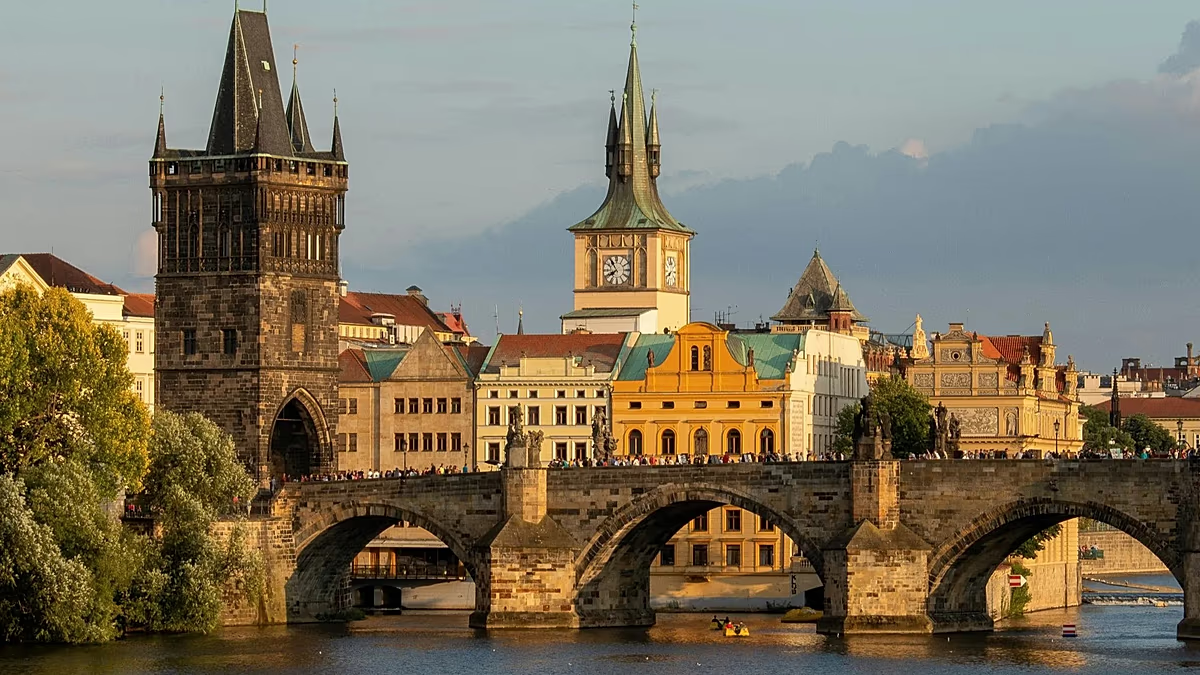
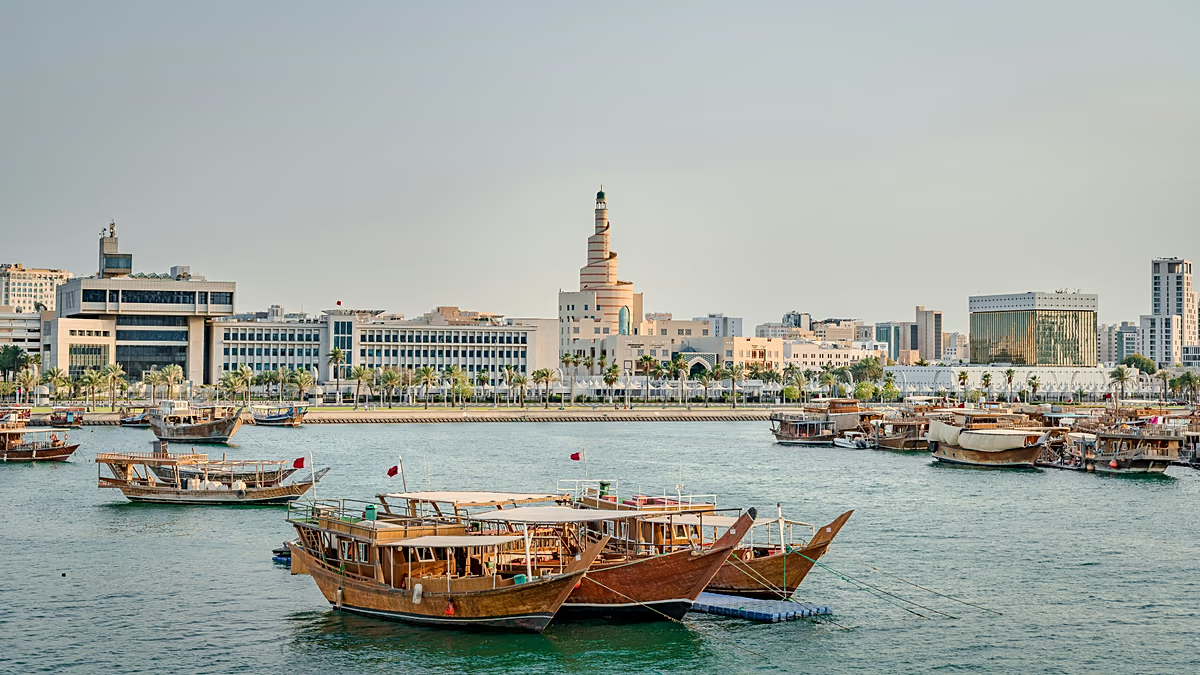
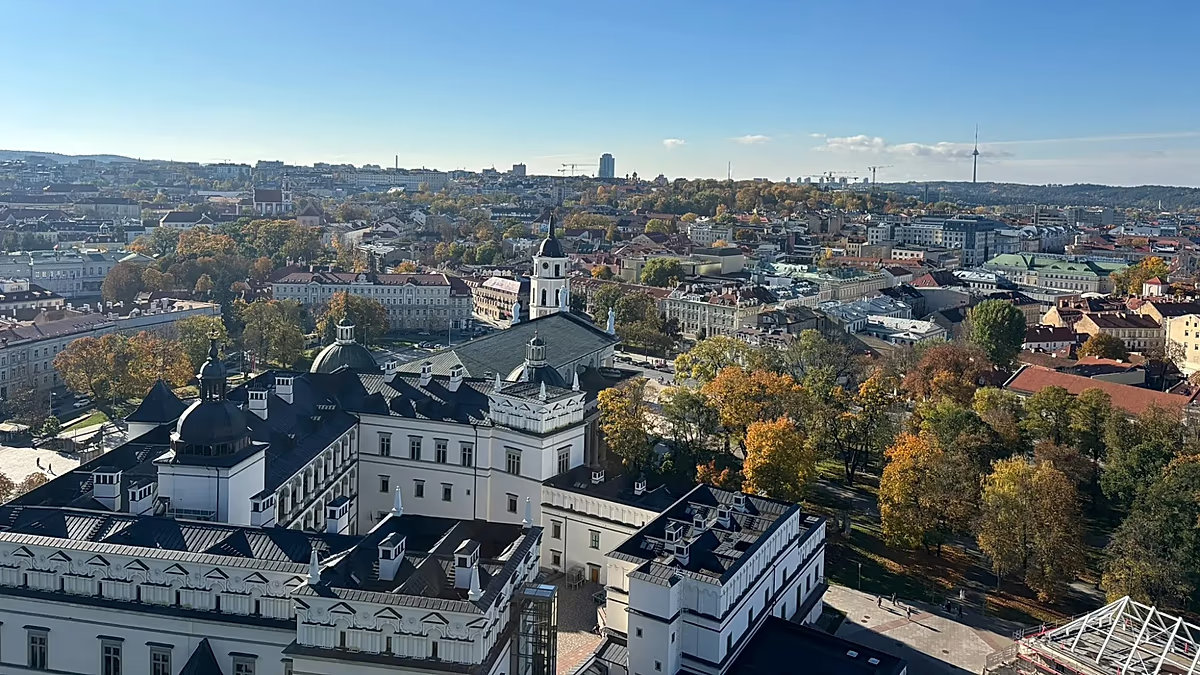
Europe, in particular, is emerging as a clear beneficiary of these changing travel patterns. The report projects a 5% increase in international overnight arrivals to Europe in 2026, which puts the region ahead of the global average. This is not a random stroke of luck; it is a direct result of how travellers are adapting their behaviour. Worldwide, trips within the same region are forecast to rise by 3% in 2026, while inter-regional journeys—the long-haul trips that once felt so glamorous—are expected to decline by 3%. The reasons are not hard to understand. Longer journeys have become more exposed to higher airfares, safety concerns, and the ripple effects of geopolitical instability. Higher oil prices have pushed up inflation and travel costs, capacity through Gulf aviation hubs has been reduced, and many travellers are simply more cautious about venturing far from home. The Middle East has felt this most sharply, with international arrivals forecast to fall by 40% this year. But for Europe, the news is encouraging. It remains the largest destination region for international leisure nights, and those nights are forecast to increase by 4% in 2026. For a European traveller, this might mean choosing a sun-drenched Greek island over a distant beach in Thailand, or a weekend in Prague rather than a fortnight in Peru. It is not that the wanderlust has faded; it is that the map has been redrawn, with familiar and nearby places offering the comfort, convenience, and connection that people are craving.
Looking ahead to 2027, there is a sense of cautious optimism in the air. Global travel growth is expected to accelerate, with international arrivals worldwide forecast to grow by 8% next year. That acceleration is driven largely by an 11% rebound in inter-regional travel, as disruption eases and confidence slowly returns. Europe’s arrivals are expected to increase by another 5%, while the Middle East is forecast to recover by 43%—a dramatic bounce, although still leaving arrivals below their 2025 level. This projected recovery is a reminder of how quickly the travel landscape can shift, and how eager people are to reclaim the long-haul journeys they have put on hold. But the report also sounds a note of caution: continuing geopolitical tensions and renewed conflict could delay this anticipated recovery. For travellers, this means staying flexible and informed. For the industry, it means preparing for both possibility and uncertainty. The human desire to explore is powerful, but it is not blind. People are watching the news, weighing risks, and making choices that feel safe and rewarding. The fact that recovery is expected at all is a testament to the enduring appeal of travel—the sense that, no matter what happens in the world, there is still a trip to plan, a friend to visit, or a new culture to experience.
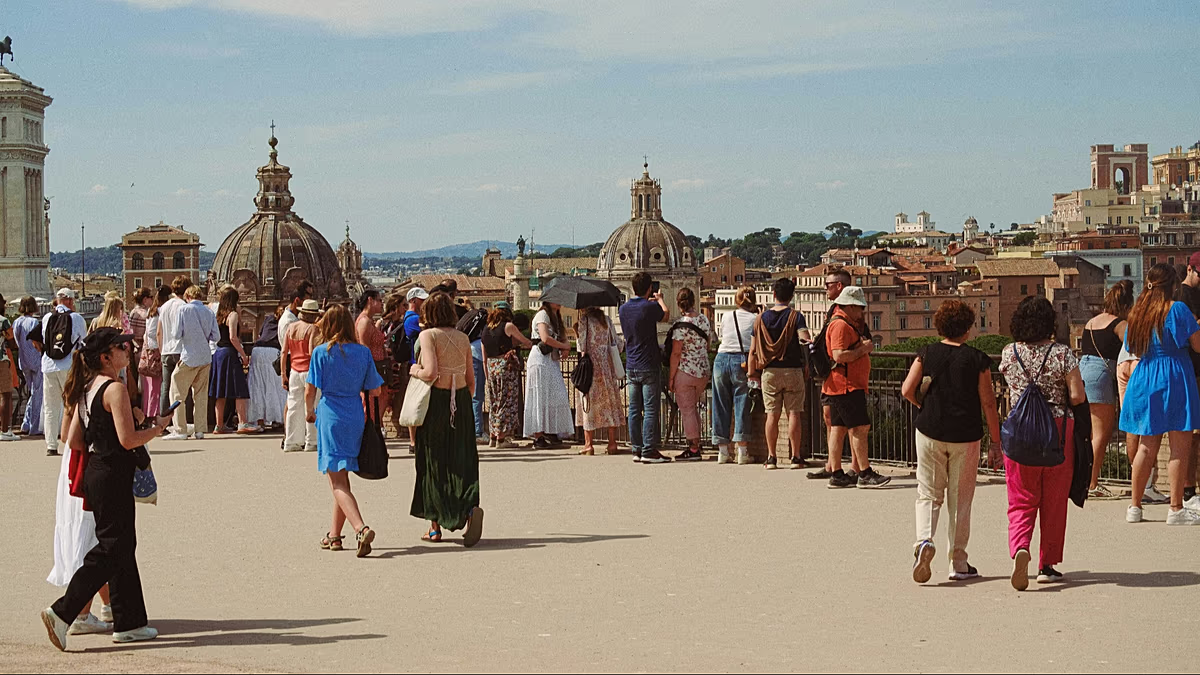
The longer-term outlook stretches far beyond the next few years, and it is nothing short of remarkable. By 2032, international overnight arrivals globally are projected to reach 2.2 billion, supported by rising incomes, continued prioritisation of travel, and expanding aviation and accommodation capacity. Europe is expected to record the largest absolute increase of any region, with annual arrivals rising by 226 million between 2026 and 2032, an average growth of around 4% a year. This is not just a statistic for policymakers and industry executives; it is a story about a world that keeps moving, keeps connecting, and keeps finding reasons to cross borders. For Europe, this growth means more crowded plazas in Barcelona, more bustling cafés in Paris, more serene coastal walks in Portugal. It also means new challenges, such as managing overtourism, protecting cultural heritage, and ensuring that the benefits of travel are shared fairly with local communities. But the underlying trend speaks to something deeply human: as incomes rise and the world becomes more accessible, people want to see it for themselves. Travel is no longer a one-time dream or a bucket-list item; it is an ongoing part of a well-lived life. The forecast of 2.2 billion arrivals by 2032 is a promise of countless new memories, chance encounters, and moments of awe that will shape the way people understand the world and each other.
Finally, there is the question of money, and how it flows through Europe’s tourism economy. European leisure spending, including both domestic and international visitors, is forecast to reach $2.05 trillion in 2026. International leisure spending is expected to rise by 11%, while domestic leisure spending increases by 8%. These figures, measured in nominal US dollars and not adjusted for inflation, show a sector that is not only surviving but thriving. International visitors account for around a third of Europe’s leisure spending, the highest share among the three largest regional markets: Europe, Asia, and North America. That means tourists are not just passing through; they are making a real economic difference, supporting local businesses, creating jobs, and sustaining communities that depend on the steady flow of visitors. But the true value of travel cannot be measured in dollars alone. It is in the laughter of a family discovering a new city together, the quiet reflection of a solo traveller watching a sunset over the Mediterranean, the exchange of ideas between people from different corners of the globe. As the WTM Global Travel Report makes clear, travel is more than an industry—it is a shared human experience. And as 2026 approaches, that experience is more alive, more resilient, and more important than ever. The numbers are impressive, but the stories behind them are what truly matter, and those stories are being written every day by travellers who refuse to give up on the joy of exploration, no matter what obstacles come their way.