



Racecations, Explained: How to Plan the Perfect Getaway Around a Marathon or 5K
Subhead: From picking the right destination event to timing your arrival, here’s how savvy travelers are turning race weekends into unforgettable vacations.
There was a time when a vacation and a race were two completely separate undertakings — one involved lounging, the other involved suffering. But over the past decade, a hybrid has emerged that’s captured the imagination of runners, cyclists, and triathletes alike: the “racecation.” It’s the art of building an entire trip around a single competitive event, and it’s become one of the fastest-growing trends in both travel and endurance sports. Instead of simply flying somewhere to run and flying back, thousands of athletes now tack on extra days, explore new cities, and experience destinations through their running shoes. It’s a way to see the world with purpose — every mile on the calendar paired with a place you’ve never seen, a cuisine you’ve never tried, or a landmark you’ve only glimpsed in photographs. But as rewarding as racecations can be, pulling one off successfully takes more than just registering for a race and booking a flight. There’s a quiet strategy to it, a set of unwritten rules that seasoned race travelers know and newcomers are still learning. It starts with one fundamental question: when should you arrive? And it flows into another: how exactly do you choose the right event? Get those two decisions right, and you’ve unlocked something far more meaningful than a finisher’s medal.
Choosing the Event: Pick a Place Worth Exploring
The first instinct for many people is to chase a race that fits a time goal — a fast course, ideal weather, a Boston qualifier. But when you’re building a vacation around the race, the calculus shifts. The race itself becomes part of a larger experience, and the destination must be worth the trip on its own merits. That might mean a stunning seaside marathon in Big Sur, a historic run through the streets of Rome, or an autumn half-marathon in the vineyards of Napa Valley. The cleverest racecation planners think in terms of atmospherics: What do I want to see, taste, and absorb when the race is over? What will I remember a year from now — my split time, or the sunrise over the harbor at mile eight? There are no wrong answers, but the question forces you to prioritize, and that’s exactly the point. When you choose an event based on the destination as much as the course, you automatically build in the kind of travel excitement that makes a race feel less like a chore and more like a chapter in a long-running adventure.
Logistics matter too. A destination race should be accessible — not necessarily easy to get to, but manageable once you’re there. Think about how you’ll move between the airport, your hotel, the expo, and the start line. Is the city walkable? Is there reliable public transport? Will you need to rent a car, and is that a burden you’re willing to shoulder before a long race? Travel blogs and running forums are full of cautionary tales about runners who chose an idyllic race in a remote valley only to realize they’d have to drive 90 minutes on winding roads at 4 a.m. just to make the start. That’s not a racecation; that’s a logistical nightmare. It’s also worth considering the time of year. Destination races often exist for a reason — they align with the best weather, the local calendar, or a scenic seasonal change — but those same factors can bring crowds, higher prices, and harder-to-book accommodations. A race in a tourist town during peak leaf-peeping season may be glorious, but you’ll fight for hotel rooms and restaurant tables. Sometimes the smarter play is to look for shoulder-season events: nearly as beautiful, considerably calmer, and far kinder to your budget.
When to Show Up: The Science of Arrival Timing
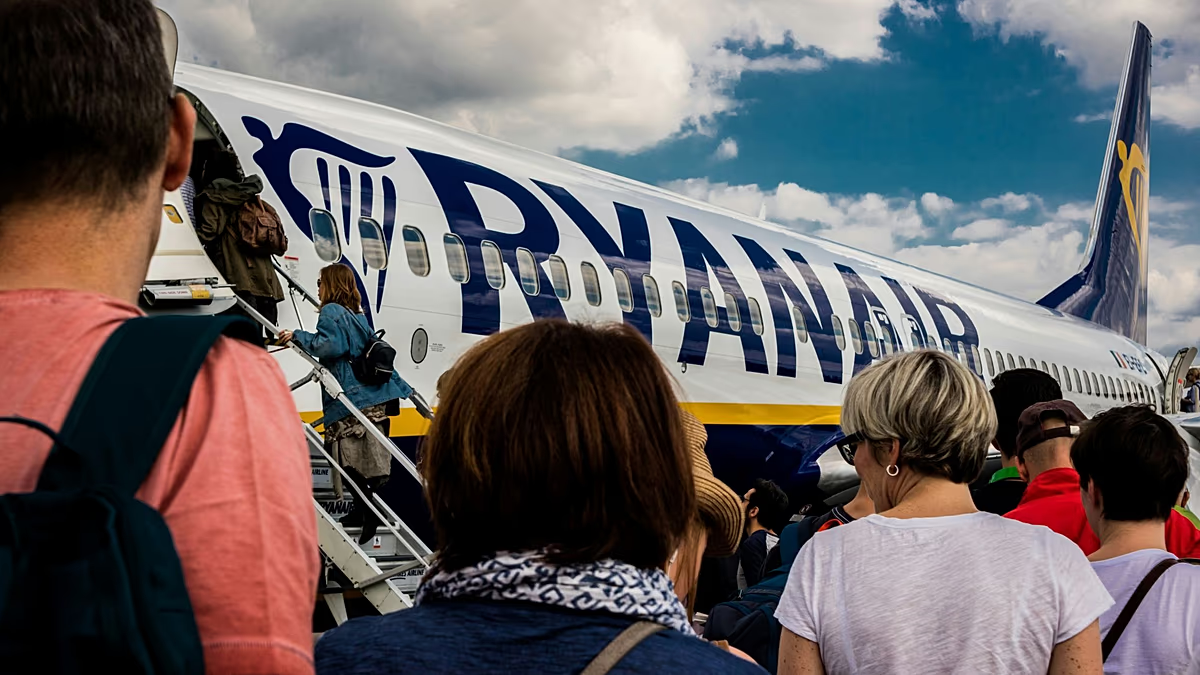
If there’s a single mistake that rookie racecation planners make, it’s this: showing up too close to the start. There’s a compelling logic to arriving the night before an event — it feels efficient, it saves on hotel costs, and it keeps you from wasting precious vacation days. But it’s also the best way to sabotage months of training. Air travel is dehydrating. Changing time zones throws off your circadian rhythm. The stress of a delayed flight, a lost bag, or a confusing airport layout can spike your heart rate before you’ve even laced up. Experts consistently advise arriving at least two to three days before a destination race, particularly if you’re crossing time zones. That gives your body time to adjust, your digestion time to settle, and your mind time to stop spinning. It also gives you those first few hours to scope out the course, test the local terrain, and build a sense of confidence in your surroundings. Think of it this way: you’re not just protecting your race day performance — you’re protecting the entire vacation. If you’re fried from a brutal travel day on Saturday and racing on Sunday, the first half of your trip is already compromised.
But there’s another side to the arrival question that planners often miss. Coming early is only half the equation; staying late is where the real vacation begins. The most rewarding racecations are the ones that treat the race as the midpoint, not the endpoint. Some of the smartest travelers deliberately book onward travel that keeps them moving for several days after the finish — a train to a neighboring city, a drive along the coast, a quiet retreat in the countryside. Finishing a race floods the body with endorphins and leaves you determined to do something with all that energy. The last thing you want after a triumphant finish is to head straight to an airport. By planning a relaxed day of sightseeing or a gentle recovery hike for the day after the race, you extend the sense of accomplishment and let the destination soak in at its own pace. This is the central elegance of a racecation: you get the structure and discipline of an event, followed by the freedom and joy of a vacation. But that joy is only possible if you’re physically and mentally prepared for it — and that starts with giving yourself a cushion of time on both ends.
Building in Recovery and Comfort: The Planner’s Overlooked Essentials
Once you’ve chosen your event and locked in your travel dates, the next layer of planning is where the experience truly takes shape. It’s easy to obsess over pace charts and gear lists, but the elements that make or break a racecation are often the quiet, mundane ones: the quality of your sleep, the food you eat, and the way you structure your non-race hours. Hotels near the start line are worth their weight in gold, even if they cost a little more. A short walk to the corrals means you’re sheltering in a warm lobby, sipping coffee, and letting your legs rest — instead of shivering on a crowded shuttle bus. Look for accommodations with a kitchenette or at least a reliable refrigerator; that allows you to control your pre-race meals instead of gambling on local restaurant schedules and unknown ingredients. It’s a small thing, but it’s the kind of detail that separates a smooth trip from a stressful one.
Equally important is the discipline of exploration without exhaustion. Vacations have a way of luring you into 12-mile walking days, and that’s exactly the wrong approach for the day before a race. The art of the racecation is learning to experience a city at half speed — a leisurely coffee in a historic square, a slow stroll along the waterfront, a long lunch at a restaurant where the locals eat. Save the aggressive museum-hopping and the trek to that famous viewpoint for after the race, when you’ve earned the right to wear out your legs. If the course itself passes notable landmarks, consider scouting a portion of it the day before so the route feels familiar. The human mind performs better with a framework for what’s coming; runners who have studied a course, mentally rehearsed it, and walked the finish area report far less anxiety in the starting corral. It’s the difference between running through an unknown blur and running through a landscape that already feels like it belongs to you.
The Expo Equation, Race Mornings, and Pre-Start Chaos
Let’s talk about the race expo for a moment, because it’s a hidden source of both value and time-drain. Many destination races use their expo as a tourist draw in itself — booths filled with gear, local food vendors, sponsored photo opportunities, and running-brand merchandise you can’t find anywhere else. It’s tempting to linger. But a savvy racecation planner knows to go in with a plan. Hit the number pickup first, get the bib and the timing chip sorted, and then decide if the expo warrants extended browsing. Rule of thumb: give it no more than ninety focused minutes, and always factor in travel time to and from the venue. The last thing you need is to spend all afternoon on your feet, then wonder why your legs feel heavy the next morning. Tourist destinations often run multiple shuttles or partner with local transit to get runners to the expo, but those same systems can be overwhelmed on peak afternoons. Go early, be deliberate, and get out. Use your remaining pre-race hours for rest, light meeting with friends, or a simple walk to loosen your legs and adjust to the local rhythm.
Race morning itself is where all your earlier decisions either pay off or unravel. This is the most emotionally charged, logistically intricate sixty minutes of any racecation. If you’ve been smart about your hotel location, you’ll save enormous mental energy. Lay out everything the night before — your racing kit, your shoes, your bib, your post-race bag. Pre-set an alarm and a backup alarm. Check the course map again at breakfast and mark the water stations in your mind. If the race starts earlier than the local custom, you’ll want to have practiced your morning routine back home so nothing feels foreign. The pros know that race mornings are not the time for improvisation. Everything you do should minimize decisions: what to eat, what to wear, when to leave, where to warm up. By the time you’re standing in the corral, your only job should be to run. And that’s exactly what the rest of the city is about to watch you do.
Timing, Transitions, and Preventing the Post-Race Letdown
Then there’s the finish. It’s glorious, it’s emotional, and it’s fleeting — quickly replaced by the peculiar logistics of the after-race zone. You’ll want to know where your family or friends will be, what the family meeting area looks like, and how you’ll retrieve your gear bag. In a destination race, you’re often miles from your hotel, so have a plan for getting back. Many experienced racecationers book a hotel that’s within walking distance of the finish line precisely so that the post-race ritual is a gentle stumble, not a confusing transit ride. Once you’re back at the hotel, the principles of recovery take over: eat something that includes protein within thirty minutes, hydrate, avoid alcohol for the first few hours, and allow yourself a real celebration meal later. The best racecation planners think of the post-race shower as the dividing line between “athlete you were” and “traveler you’re about to be.” From that moment forward, the race is a memory, and the vacation is officially underway.
If there’s a hidden danger in racecations, it’s the emotional crash that follows a big event. You’ve spent months focused on a single goal, and suddenly it’s over. The defense, counterintuitively, is the trip itself. Because you’ve chosen a destination you’re genuinely excited to explore, and because you’ve built in days after the race to do exactly that, you’ve given yourself a forward-looking adventure to ease that transition. It turns a potential letdown into a natural gear shift. The race becomes the story you tell over dinner; the vacation becomes the place you remember forever. That’s the timeless appeal of the racecation — it packages discipline and indulgence, achievement and relaxation, into one coherent experience. It’s not about running a perfect race. It’s about running a race that fits perfectly into the rest of your life.
Making the Plan Work for Real Life
Of course, not every racecation needs to be a grand international expedition. The same principles apply to a weekend race in a nearby city or even a charming small town three hours from home. The core insight is universal: treat the event as the centerpiece, but design an experience around it that honors both your athletic goals and your desire to explore. That means making deliberate choices about the event itself — not just the race you’ve always wanted to run, but one that introduces you to a place you’ve always wanted to see. It means arriving early enough to feel at home, staying long enough to leave wanting more, and respecting the physical realities of travel and recovery. It means choosing rest over one more tourist attraction when your legs are tired, and choosing a celebratory toast over a second race when your heart is full.
For anyone who’s ever finished a race and wished the day didn’t have to end, the racecation is the answer. It’s the reason more than a million runners now travel internationally for events each year, making destination races a major pillar of the global sports tourism economy. Cities from Boston to Berlin, from Tokyo to Cape Town, have recognized that runners are the ultimate travelers — motivated, organized, and willing to spend. And the travelers themselves have discovered that a race isn’t a reason to cancel vacation; it’s the perfect excuse to make vacation extraordinary. The question was never whether to try it. The question is which race will take you where you’ve always wanted to go. When you start with that — a place you’d love to see, an event that showcases its best side, and a schedule that gives your body time to find its rhythm — you’ve already won the most important battle of the trip. The race is the adventure. The vacation is the reward. Together, they’re the kind of trip you’ll be talking about for years to come.