


Paragraph 1: The Shocking Arrest of Katherine Dale Kelly
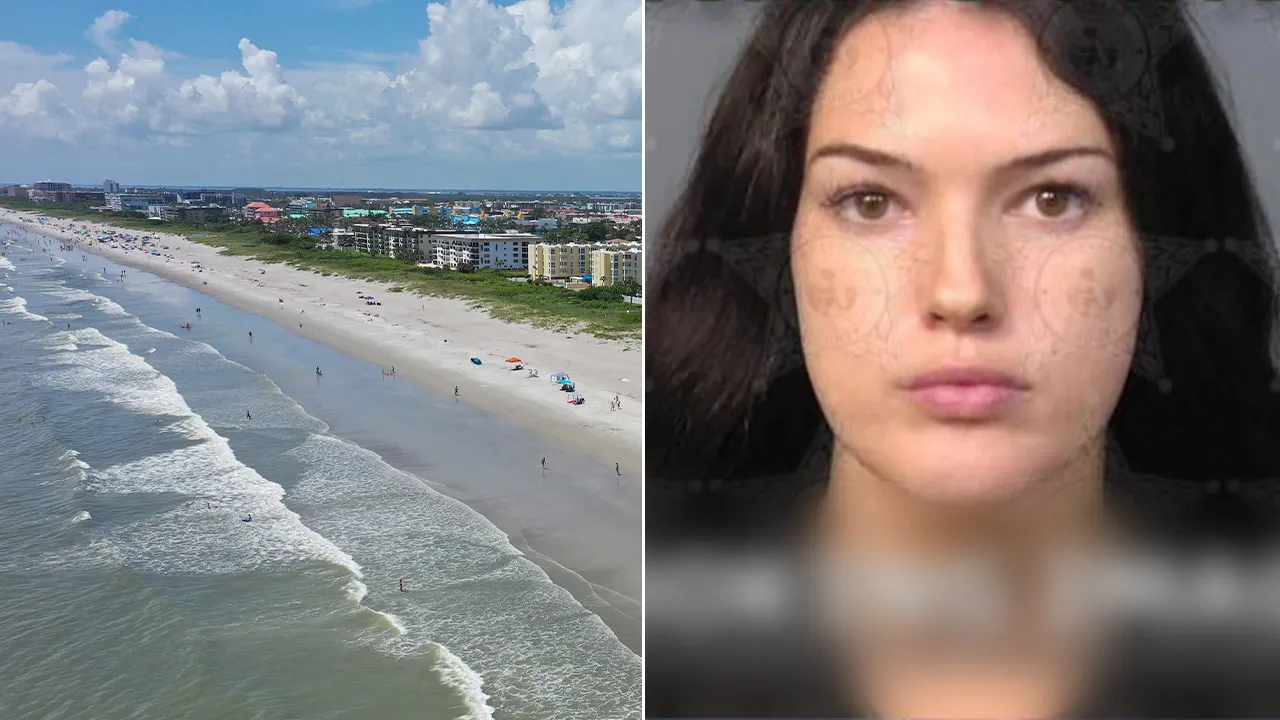
In the quiet predawn hours of a Saturday morning, what should have been a mundane rendezvous between two people became the backdrop for a terrifying act of violence that would shatter multiple lives and land a young Florida woman behind bars on attempted murder charges. Katherine Dale Kelly, a 24-year-old resident of Cocoa, found herself at the center of a maelstrom of jealousy, betrayal, and rage. Her arrest over the weekend was not just another crime statistic; it was a chilling reminder of how quickly unchecked emotions can spiral into irreversible actions. Kelly allegedly tracked down her boyfriend, Elijah Baker, using his phone’s location data, after suspecting he was with another woman once again. When she found him, she didn’t simply confront him or demand an explanation. Instead, she approached the passenger side of a vehicle and fired a single gunshot through the window, striking the woman inside. The victim, Angel Adenau, was rushed to a hospital with a bullet wound to her left shoulder, while Kelly was taken into custody, her life now consumed by the weight of her choices. The sheer deliberateness of the act—from the Uber ride to the location tracking—paints a picture of a woman driven to the brink, but also of someone who made a series of fateful decisions that now leave her facing a lifetime behind bars.
Paragraph 2: The Night Unfolds – A Tragic Chain of Events
The incident began innocently enough, if such a term can be used for a secretive late-night meeting. According to reports from the Brevard County Sheriff’s Office, Baker had driven Kelly’s Volkswagen to pick up Adenau at approximately 1:20 a.m. in Port St. John, a suburban area known for its quiet neighborhoods and family homes. What did the two talk about as they sat in the car? Perhaps they were catching up, or maybe the relationship was casual. But across town, Kelly was not sleeping. She was awake, suspicion gnawing at her mind. Using the built-in location tracking on her own vehicle, she determined exactly where Baker was. Then she summoned an Uber, a modern-day chariot that carried her not to a peaceful resolution but to a scene of potential carnage. When she arrived, she didn’t hesitate. The police report describes her approaching the passenger side of the Volkswagen and firing one round through the window. The bullet tore into Adenau’s left shoulder, causing serious injury. In the chaos that followed, Baker, perhaps panicked and fearing further violence, drove Adenau back to her own residence to seek help. Emergency services were called, and Adenau was transported to a local hospital for treatment. The physical wound would heal, but the psychological scars from being gunned down without warning while sitting in a car would linger far longer. The swift progression from suspicion to violence, with no apparent attempt at dialogue, is a harrowing testament to how a relationship’s darkest moments can erupt in the blink of an eye.
Paragraph 3: The Investigation – Self-Defense Claims vs. Damning Text Messages
When detectives began interviewing Kelly, she offered a surprising defense: she claimed she had acted in self-defense. It’s a claim that strains credulity, given the circumstances. She had tracked down Baker, arrived in a ride-share vehicle, approached a stationary car, and fired through the window—hardly the actions of someone in imminent danger. The police investigation, as is so often the case, relied on electronic evidence to piece together the truth. In Baker’s cellphone, detectives discovered text messages exchanged between Kelly and Baker. These were not loving messages; they were accusations of infidelity, laced with anger and hurt. More damningly, the messages included threats to shoot someone, threats made before the confrontation ever occurred. This premeditation fundamentally undermines any self-defense narrative. It suggests that the shooting was not a reflexive reaction to a sudden threat, but the culmination of a building rage that she had openly verbalized. The human element here is heartbreaking: a young woman so consumed by jealousy that she saw a weapon as a means of “making a point,” as she later told investigators. The text messages serve as a digital paper trail of her deteriorating mental state, from suspicion to explicit threat, and finally to violent action. It’s a stark reminder that words can be more than just words—they can be rehearsals for catastrophe.
Paragraph 4: The Legal Gauntlet – Charges and Consequences
Kelly’s actions have now placed her squarely in the crosshairs of the justice system. The charges filed against her read like an inventory of criminal severity: attempted first-degree murder, aggravated battery with a deadly weapon, firing a gun into a vehicle, and using a firearm while committing a felony. These are not minor offenses; they carry the potential for decades in prison. Attempted first-degree murder alone, under Florida law, can result in a life sentence if convicted, given the use of a firearm and the intent to kill. The other charges compound the potential sentence, creating a legal mountain that Kelly will have to climb with the help of an attorney. Her next court hearing is scheduled for Nov. 24, a date that will likely determine the immediate future of her case. For the victim, Angel Adenau, the path to justice offers some solace, but it cannot erase the terror of that night. For Elijah Baker, who was caught between two women, the guilt and trauma of being the trigger for this violence may haunt him. The courtroom will become a stage for the grim retelling of that Saturday morning—jurors will hear about the text messages, the Uber ride, the gunshot, the screaming, and the blood. Whether Kelly shows remorse or continues to cling to her self-defense claim will significantly impact the outcome. The machinery of justice, slow and deliberate, will now grind forward, transforming a personal tragedy into a public reckoning.
Paragraph 5: The Human Toll – Invisible Wounds and Shattered Lives
Behind the legal jargon and police reports, there are real people whose lives have been irreparably altered. Angel Adenau, the survivor of the shooting, now carries the physical reminder of that night—a scar on her shoulder that will never fully fade. But the invisible wounds may be deeper: nightmares, hypervigilance, anxiety, and a lingering mistrust of relationships and vehicles. She was simply spending time with a man she may have cared for, unaware that his girlfriend was monitoring his movements. Her only crime was being in the wrong place at the wrong time. Elijah Baker, too, is a victim of sorts, though his role in the drama was not innocent. He was seeing Adenau while presumably committed to Kelly, and his deceit literally drove Kelly to madness. The weight of knowing that his choices, his lies, and his philandering set this tragedy in motion is a burden he will carry. And then there is Katherine Dale Kelly herself—a young woman with her entire life ahead of her now facing a potential life sentence. What was she thinking as she fired that shot? Did she feel a moment of satisfaction, replaced instantly by horror? Her family, her friends, all those who knew her before this night, now have to reconcile the woman they knew with the person who pulled the trigger. The ripple effects of this single gunshot will spread outward, touching countless lives, marking a community and reminding everyone that violence in the name of love is not love at all—it is destruction.
Paragraph 6: A Cautionary Tale for Our Times
This case, sadly, is not an anomaly. It reflects a broader societal epidemic of domestic violence, intimate partner homicide, and the dangerous intersection of jealousy and firearms. Kelly’s decision to “make a point” by shooting a woman she perceived as a rival is part of a disturbing pattern where conflicts that should be settled with communication are instead settled with bullets. In the age of smartphones, location tracking has become a tool of surveillance and control, often exacerbating paranoid tendencies. But the deeper issue lies within the human heart—insecurity, possessiveness, and an inability to handle rejection or perceived betrayal. Experts emphasize that relationship jealousy can escalate into violence, particularly when access to weapons is easy. Kelly allegedly threatened to shoot someone before she did it; those threats were a cry for help or a warning that went unheeded. For every person in a volatile relationship, this story serves as a grim lesson: seek help, talk to friends, get counseling, or remove yourself from the situation before rage takes over. The apartment building in Port St. John will settle back into routine, but the echo of that gunshot will remain. As the courts process this case, we are left to ponder the fragility of human emotions and the devastating consequences of letting anger drive our actions. Katherine Dale Kelly is now a face in a mugshot, a name in a headline, but her story is a tragedy in three acts—love, jealousy, and violence—one that offers no winners, only survivors and the shattered remains of dreams that will never be realized.