


Paragraph 1: The Changing Face of Travel in a Warming World
Imagine planning your dream vacation only to face heatwaves, wildfires, or unexpected storms. For millions of travelers, this is no longer a hypothetical worry—it’s a daily reality. As the effects of climate change become more tangible, the way we think about holidays is undergoing a quiet revolution. A recent global survey by Trip.com, the Sustainable Travel Consumer Report, polled 8,777 travelers across 29 countries and four major regions, painting a vivid picture of this shift. The findings reveal that a significant portion of travelers are now factoring climate risks directly into their plans. Over a third of respondents—37.2% to be precise—said they would actively consider destinations with lower risks of weather disruptions. This comes on the heels of a European summer that was described as the “worst on record” in a separate report, with scorching temperatures, droughts, and devastating fires. The message is clear: the holidaymaker of today is more cautious, more conscious, and far more attuned to the environment than ever before. But it’s not just about avoiding danger. The survey also shows that sustainability has moved from a niche concern to a mainstream priority. An overwhelming 75.4% of travelers stated that sustainability is important when making travel decisions, and more than half (56.8%) deliberately choose more sustainable options. This is not a fleeting trend; it’s a fundamental change in the traveler’s psyche, one that is reshaping the entire tourism industry from the ground up.
Paragraph 2: Why Sustainability Matters More Than Ever
The report’s headline numbers are impressive, but behind them lies a deeper human story. Travelers are no longer viewing sustainability as a guilt-driven obligation, but as a way to enrich their experiences. Jane Sun, CEO of Trip.com Group, captured this sentiment beautifully: “Every journey depends on the world around it: the places we discover, the nature we enjoy and the communities that make each destination unique.” She added, “Sustainability is becoming an important part of what travellers value. It is not just a responsibility, but a way to experience more – from exploring nature and taking scenic rail journeys to discovering less-visited destinations.” This perspective resonates most strongly with younger generations. The survey found that 44.3% of Gen Z respondents said sustainability is “very important” when making travel decisions, compared to just 23% of Baby Boomers. This generational gap is not surprising—young people have grown up with climate strikes and global conversations about carbon footprints. But it also signals a long-term trend: as Gen Z and Millennials gain more spending power, sustainable travel will likely become the new default. Even among older travelers, there’s a noticeable shift toward quieter, more thoughtful travel—preferring less crowded places and off-peak seasons, not just for comfort but also to minimize their impact. The travel industry, in turn, is waking up to the fact that protecting destinations is not just ethical; it’s economically essential. After all, if a beautiful coastline disappears under rising seas or a national park is ravaged by fire, no one will want to visit.
Paragraph 3: The Price of Sustainable Travel – A Generational Divide
Of course, good intentions often bump into budget realities. Price remains the largest barrier to sustainable travel. When asked how much extra they would pay, 32.9% of travelers said they were willing to add just 1-5% on top of the cost. That might sound modest, but the report suggests something more nuanced: price sensitivity does not necessarily mean an unwillingness to spend more. In fact, nearly six out of ten Gen Z and Millennial travelers said they are willing to pay a premium for a more sustainable experience. This is a crucial insight. For younger travelers, sustainability is not an optional extra—it’s a core feature, like a comfortable bed or a good breakfast. They are more likely to choose a boutique eco-lodge over a generic resort, even if it costs a bit more, because they see the value in supporting local communities and preserving natural landscapes. But for many others, especially in a struggling global economy, the price gap is hard to swallow. This is where the travel industry has an opportunity: by making sustainable options more affordable and transparent, they can bridge the gap between intention and action. The report’s authors point out that even small price increases—like 1-5%—can add up to significant investments in green infrastructure, from solar-powered hotels to carbon-offset programs. It’s a delicate balance, but the data suggests that the demand is there, waiting to be unlocked.
Paragraph 4: What Sustainable Travel Looks Like in Practice
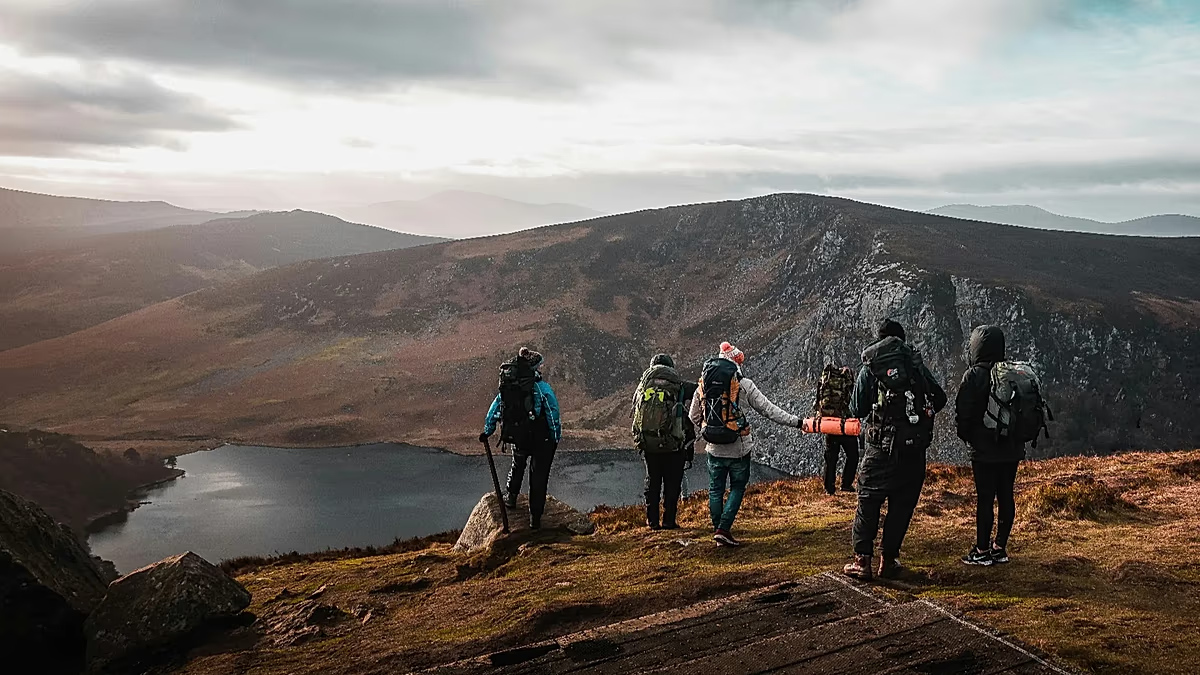
So, what does a sustainable holiday actually entail for today’s traveler? The survey offers some fascinating insights into the most popular choices. Topping the list is exploring nature and outdoor destinations, cited by 41.6% of respondents as the best way to enhance their travel experience. This makes sense—who doesn’t feel more connected to the world when hiking through a forest or swimming in a pristine lake? Right behind that, 34.1% chose scenic rail journeys, which are not only romantic but also significantly lower in carbon emissions than flying. Imagine gliding through the Swiss Alps on a train with floor-to-ceiling windows—that’s sustainability with a side of breathtaking views. Around a third of travelers are drawn to lesser-known destinations that offer fewer crowds and a more authentic feel, while 31.9% specifically look for hotels with strong sustainability practices, like zero-waste restaurants or renewable energy. Off-season travel, with its quiet streets and lower accommodation prices, appeals to 29.6% as a way to reduce pressure on overtouristed places. These choices paint a picture of a traveler who is curious, thoughtful, and willing to trade a bit of convenience for a deeper connection to place. They are not abandoning comfort; they are redefining it. Instead of a quick city break, they might opt for a cycling tour through rural Provence. Instead of a crowded all-inclusive, they might book a family-run agriturismo in Tuscany. These activities, as the report notes, are not just good for the planet—they’re often more memorable, more rewarding, and more likely to result in a story worth telling.
Paragraph 5: Extreme Weather – The New Travel Planner
One of the most striking findings from the report is how directly extreme weather is influencing travel decisions. Nearly 30% of respondents said they have delayed or rescheduled a trip due to storms, heatwaves, or floods. Almost a quarter (23.6%) have changed the season or timing of their travel, and 21.9% felt compelled to change their destination entirely. These are not small numbers—they represent millions of people whose holiday plans have been disrupted by a changing climate. And it’s not just about safety; it’s about enjoyment. No one wants to spend their week in a hotel room while a typhoon rages outside. This is why the appeal of a destination now increasingly includes its resilience to climate disruption. More than half of travelers (56%) are attracted to places with good public transportation or low-carbon mobility options, like bike-sharing schemes or electric trams. Another 50.6% are drawn to destinations that actively protect their natural and cultural heritage—places that recognize that a beautiful old town is worthless if it’s paved over with parking lots. And, as noted earlier, over a third of travelers look specifically for destinations with a lower risk of weather disruptions. This is a wake-up call for tourism boards. Promoting sun-soaked beaches is no longer enough; they must also demonstrate how they are preparing for climate change. Destinations that invest in resilient infrastructure, early-warning systems, and sustainable mobility are not just protecting themselves—they are positioning themselves as the preferred choice for the discerning, climate-aware traveler.
Paragraph 6: The Road Ahead – A Greener Journey for All
As we look to the future, this report offers a mix of caution and optimism. On one hand, the fact that extreme weather is already altering travel plans is a sobering reminder of the climate crisis unfolding around us. On the other hand, the overwhelming interest in sustainable travel shows that people are ready to adapt, to make different choices, and to support businesses that prioritize the planet. The key now lies in making those choices easier. If sustainable travel continues to be seen as more expensive, less convenient, or less comfortable, the numbers will stay stuck. But the data suggests that the momentum is building. Younger travelers are leading the charge, and they will soon become the dominant market. They are already voting with their wallets for experiences that combine adventure with responsibility—scenic train rides, nature treks, eco-lodges, and off-the-beaten-path explorations. For the travel industry, this is not just a trend to watch but a mandate to follow. Airlines, hotels, tour operators, and destination managers must invest in greener technologies, transparent practices, and climate-resilient infrastructure. They must also communicate these efforts clearly, because travelers want to know that their money is making a difference. Ultimately, the Trip.com report tells a hopeful story: we still love to travel, and we still dream of faraway places. But we are also learning to travel in a way that respects the very world we set out to explore. If we succeed, future generations will not only inherit a cleaner planet—they will inherit the joy of discovering it.