


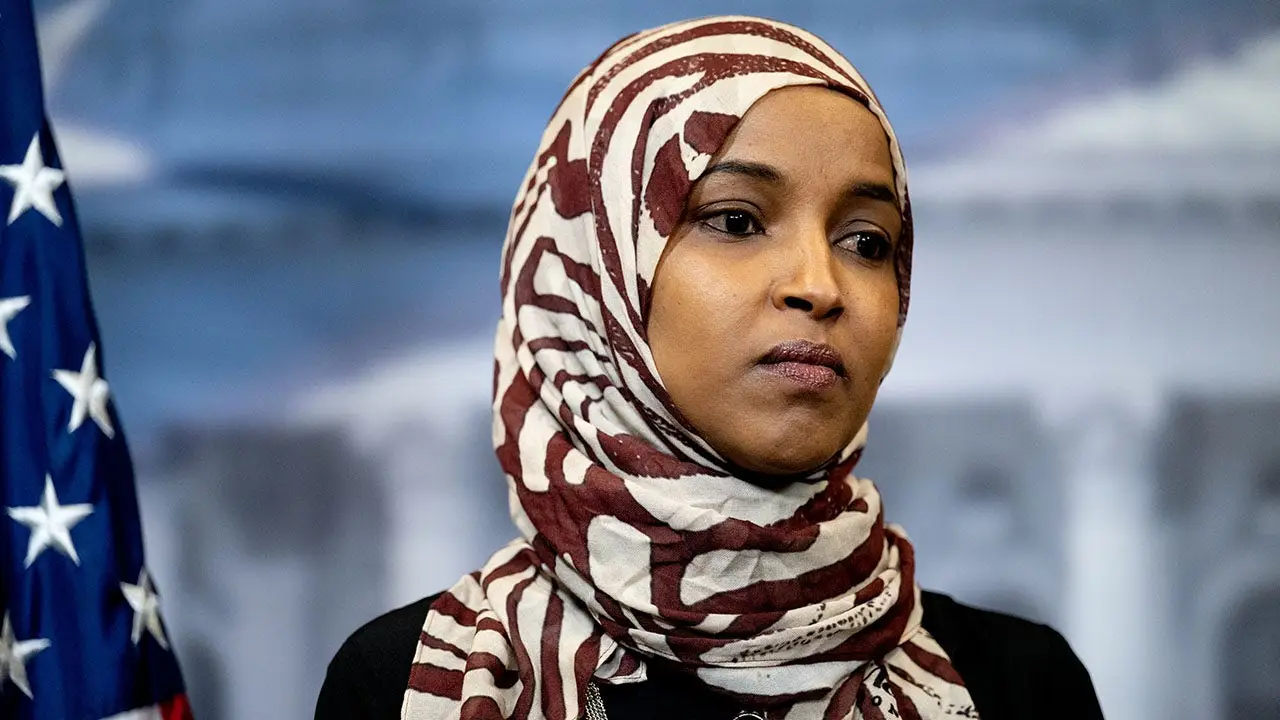
Good morning. There’s a lot to unpack in today’s news, so let’s ease into it like a conversation over that first cup of coffee. You might have heard that Representative Ilhan Omar’s name is suddenly at the center of a quietly explosive story—a revelation about her name that could put her past records in question. It’s one of those stories that starts with a paperwork detail and ends up raising bigger doubts, and it’s likely to follow her around for a while. Meanwhile, former President Donald Trump is heading back to Florida, not just to bask in the sunshine but to rally the troops in a state where the gubernatorial race and a high-stakes Senate contest are looming large. Florida is never boring, and this rally is shaping up to be a full-throated reminder that the Sunshine State remains the center of gravity for Republican energy. And if you love a good judicial dust-up, there’s a federal appeals court that just tore into a lower-court judge over what can only be described as AI hallucinations—fabricated citations and made-up legal reasoning that the appeals panel had to clean up. It’s a striking moment, because it shows that even the bench isn’t immune to the strange temptations of artificial intelligence. The message from the appeals court was blunt: judges cannot rely on technology to invent the law. That’s a headline that should make anyone pause, whether you’re a lawyer, a tech enthusiast, or just someone who likes the idea of courts behaving like courts.
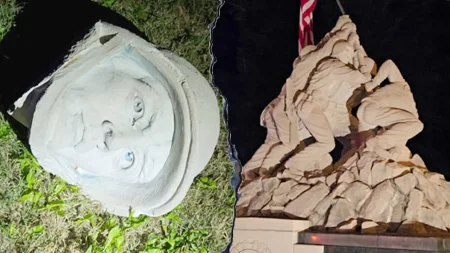
The border is never far from the political conversation, and today’s newsletter leads with a White House blast at Biden-era border policies, timed to Trump’s Florida visit. The administration is pointing to a brutal killing as evidence that the open-border approach has real, human consequences—and the phrase “rallying cry” captures the mood perfectly. It’s the kind of story that gets people angry, and the White House clearly wants to turn that anger into momentum. Speaking of anger, there’s another immigration-related case that has grabbed attention: an illegal alien accused of beheading a statue of the famous Iwo Jima monument had previously been granted DACA. That detail—that someone with protected status could allegedly commit such an act of disrespect and destruction—adds another layer of fury to the ongoing debate over who should be allowed to stay and who should be sent packing. The story is being described as an “act of dishonor,” and it’s hard to overstate how much it has ignited the conversation. Then there’s New York City, where the city council has voted to end the 170-year-old tradition of horse-drawn carriages. Trump blasted the ban, calling it unnecessary and sentimental, but the council saw it differently, siding with animal rights activists who say the horses deserve better. It’s a culture war moment disguised as an animal welfare issue, and it shows how even the most charming old-world touches can become political battlegrounds. And overseas, Israeli Prime Minister Benjamin Netanyahu is making a bold call: he wants the United States and Israel to work together to overthrow the Iranian regime. That’s not a small statement. It’s a direct challenge to decades of diplomacy, and it lands at a moment when Iran seems to be testing the limits of the international community. Put all of this together, and you have a morning that feels both urgent and exhausting—immigration, national symbols, animal rights, and geopolitical warfare all competing for your attention before you’ve even finished your toast.
Let’s turn to the political races that are keeping strategists up at night. In Maine, a fascinating Senate battle is unfolding. Susan Collins, the longtime Republican incumbent, is fighting to hold onto her base as a challenger named Jackson surges among early ballots. Early voting numbers are always a bit of a Rorschach test—everyone sees what they want to see—but the fact that Jackson is making inroads suggests that Collins may be facing a more competitive race than she expected. It’s a reminder that no seat is truly safe, no matter how many years you’ve held it. Meanwhile, in New York, a race to replace Stefanik has taken a strange and slightly silly turn: an Antifa supporter has been charged with stealing GOP campaign signs. Sign theft is almost a rite of autumn in American politics, but when it’s tied to an organized group with a reputation for confrontation, it stops being a prank and becomes a criminal matter. The charge adds a bit of street-level drama to what might otherwise be a procedural story. Over on the international stage, Trump is reportedly sidelining sweeping Russia sanctions, and his own GOP allies are warning that pressure on Vladimir Putin is slipping. That’s an interesting dynamic—Trump has always had a complicated relationship with the Russia question, and this move suggests he’s more focused on negotiation than punishment. But allies are nervous that Putin will see it as weakness, and in international politics, perception is everything. Back home, the Department of Justice has opened an investigation into a longtime Trump adviser after a criminal referral. The details are still murky, but the fact that the DOJ is moving at all is significant. It’s a reminder that the legal system keeps churning in the background, even as the political news cycle barrels forward. These stories share a common thread: power is always in motion, and the people who hold it often find themselves fighting on multiple fronts at once.
The media world is having its own meltdown, and it’s deliciously messy. A comedy civil war has erupted over Shane Gillis’s latest monologue, with comics picking sides and the internet doing what it does best—turning a comedy bit into a culture war. Gillis has always been a polarizing figure, but this time the fight seems to be less about the joke itself and more about what comedy is allowed to say anymore. It’s a classic free speech versus offense debate, and watching comedians argue about it is both entertaining and exhausting. Then there’s far-left podcaster Jennifer Welch, who is facing backlash for urging listeners to keep “pistols firing” at Vice President Vance. That kind of violent rhetoric is dangerous, no matter which side of the aisle it comes from, and it raises the temperature in a country that doesn’t need any more heat. Meanwhile, a court has ordered Trump to sit for a deposition in his $10 billion defamation lawsuit against the BBC. That’s a huge number, and the fact that a judge is making him testify means this lawsuit is serious business, not just bluster. Trump has always used the courts as both a shield and a sword, and this time he’s going to have to answer questions under oath, which is never a comfortable position for a man who likes to control the narrative. And in a moment of delicious irony, Elizabeth Warren—the self-proclaimed champion of the little guy—found herself confronted over Democrats’ acceptance of billionaire donations. Warren has made a career out of bashing big money in politics, so watching her get grilled on her own side’s hypocrisy is a gift to political junkies. The money question is uncomfortable for everyone, because the truth is that no one runs for office without rich friends, no matter how many purity tests they pass.
The opinion pages are where things get really interesting. One column argues that Trump can’t let Iran turn a military defeat into a diplomatic victory—a warning that the moment after a conflict is often more important than the conflict itself. It’s a sharp piece that pushes back against any rush to reward Tehran with a face-saving deal, and it frames the issue in terms of American credibility. If Iran loses a round and then wins the next one at the negotiating table, what does that say about the United States? The author’s answer: nothing good. Then there’s Dan Gainor, who is making the case that bringing back the Monroe Doctrine is the ideal America First strategy. The Monroe Doctrine, for those who need a refresher, was the 19th-century policy that told European powers to stay out of the Western Hemisphere. Gainor argues that a modern version of that doctrine—focused on Latin America and the Caribbean—would be a natural extension of Trump’s foreign policy instincts. It’s a provocative idea, and it fits neatly into the broader debate about whether America should be the world’s policeman or a more restrained hegemon. These opinion pieces are not just hot takes; they’re part of a larger conversation about how the United States should navigate a world that seems to be getting more dangerous by the day. In other news, there’s a bizarre legal twist involving Gabby Petito’s family. A court battle could decide whether Charlie Kirk’s family can prevail in a Utah wrongful death lawsuit. The connection between the Petito case and the conservative activist may seem strange at first, but legal cases often take unexpected turns, and this one could have implications for how wrongful death claims are handled. It’s a story that blends true crime, legal procedure, and politics into a complicated stew.
And finally, let’s take a breath and look at the lighter side of life. There’s a fascinating medical story about popular sleep aids taken before surgery. Apparently, they might actually prevent painkiller dependence later on. It sounds counterintuitive—how could a sleep medication reduce opioid reliance? But the idea is that better sleep before surgery prepares the body and mind to handle pain more effectively, reducing the need for heavy painkillers afterward. It’s a hopeful finding in the middle of the opioid crisis, and it’s the kind of medical news that makes you rethink your assumptions. Then there’s the mom who spotted a shipwreck hiding beneath a lake after years of beach visits. Imagine spending years swimming and sunbathing at the same spot, only to discover that there’s been a sunken ship right there the whole time. It’s the kind of story that makes you wonder what else is hiding in plain sight. For those who love a good challenge, there’s also the Digital news quiz—this week it’s asking what allegations got a Democrat indicted and why an actress sparked a MAGA debate. It’s a fun way to test how much you’ve been paying attention. And if you want to go deeper, there’s a podcast about Arizona’s 1st Congressional District race, where independent voters are playing a starring role in the fight for control of the House. It’s a reminder that the big national story is often decided by the smallest local margins. There’s also Amy Sousa talking about protecting women’s sports on the Riley Gaines Show, and Will Cain exploring culture, sports, and comedy with Tim Young. You can check the weather on Fox Weather, and then scroll through social media, sign up for newsletters, download the apps, or just sit back and watch Fox News online. The goal is to keep you informed, entertained, and maybe just a little bit more prepared for the day ahead. So thanks for starting your morning with us—we’ll be right here, waiting in your inbox again on Monday.