



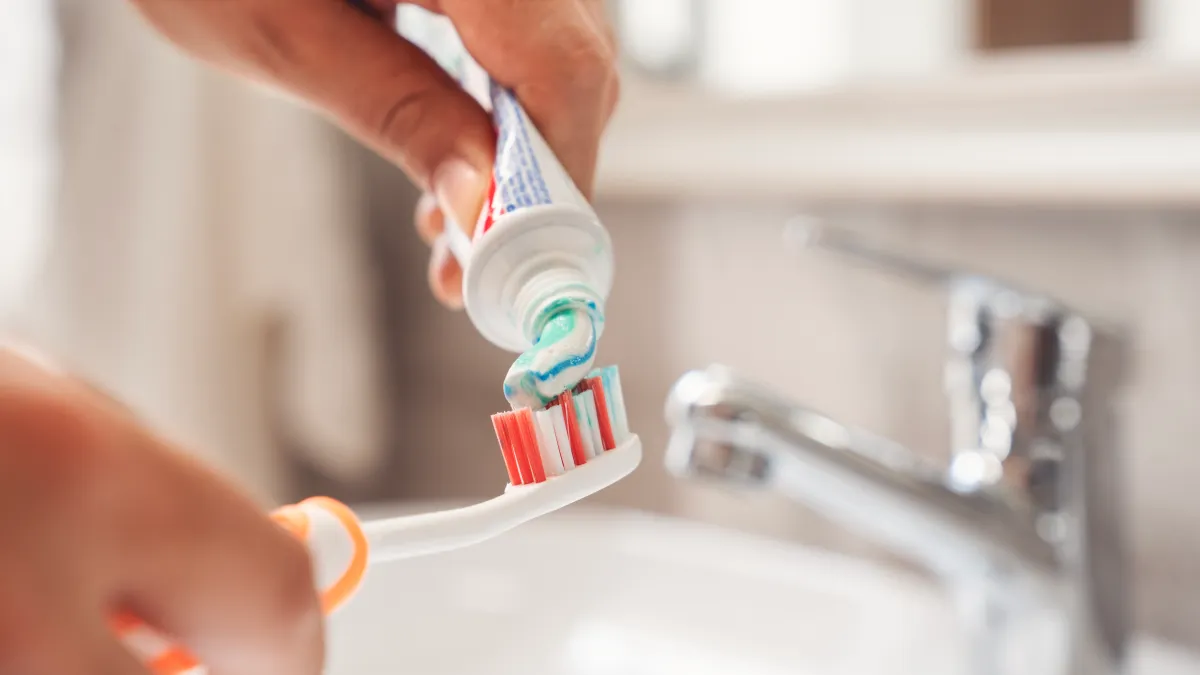
Six paragraphs, two thousand words—this is the story of a recall that reaches far beyond a simple safety notice. It’s about the toothpaste tube on the edge of a sink, the one with the fading cartoon smile, the one you squeeze without thinking every morning and night. When the U.S. Food and Drug Administration (FDA) announced that more than 4.3 million tubes of toothpaste were being voluntarily pulled from shelves across the country, the news landed like a cold splash of water for countless families. These weren’t just any tubes. They were Barbie bubble gum, Hot Wheels strawberry, Crayola Silly Scents, and My Little Pony—the very toothpastes that parents hold up as a bribe for a toddler who doesn’t want to brush. They were the ice cream flavored ones that turn a nightly chore into a tiny treat. The recall, initiated by Pritam International Private Limited and distributed nationwide by Ashtel Studios Inc., affects 17 varieties sold under the Brush Buddies, evo, and ARU brands. But the real story is in the kitchen sink, the bathroom cabinet, and the worried glance between a mom and dad wondering if they’ve been unknowingly brushing their children’s teeth with something less than safe.
Let’s walk through the list together, because it matters. Under the Brush Buddies label, the recall covers the beloved children’s line: Barbie Anticavity Fluoride Toothpaste in Bubble Gum, Hot Wheels in Strawberry, Crayola Silly Scents in Bubble Gum, Watermelon, and Strawberry, plus My Little Pony in Bubble Gum. Then there are the whimsical ice cream flavors—Vanilla, Mint Chocolate Chip, Cookies ‘n Cream, and Chocolate—all packaged in 3.5-ounce tubes. Also included are Brush Buddies Whitening Anticavity Fluoride Toothpaste with Baking Soda in Cool Mint, Cavity Protection in Cool Mint in a two-pack of 3.5-ounce tubes, and Advanced Whitening in Peppermint. The evo brand adds its Advanced Whitening Peppermint and Sensitive Anticavity Fluoride Toothpaste in Sweet Mint, both 3.5 ounces. Finally, ARU contributes two products: Toothpaste Gum Health in Soothing Mint and Toothpaste Cavity Protection in Cool Mint, each 3.5 ounces. It’s a long list, but the key detail is that not every tube is affected. Only specific lots are included, and the FDA’s own recall notice provides the precise lot numbers and expiration dates. That’s a critical nuance for a worried parent standing in the aisle, phone in hand, trying to decipher a stamped code on the side of a tube. It’s also a reminder that recalls are often surgical—they target a slice of production, not the entire industry. But when the product is something your child has been using for months, the instinct to panic is strong, and the need for clarity is even stronger.
The distribution details add another layer to the puzzle. The recalls were initiated on September 10, but the news only broke widely weeks later, after the FDA classified the action as Class II on October 19. That timeline alone is enough to make anyone question how long their toothpaste has been sitting in the bathroom unnoticed. The products were sold nationwide in the United States, which means they could be in big-box retailers, local drugstores, or online marketplaces. The company behind the recall, Pritam International Private Limited, remained quiet in the immediate aftermath; when Newsweek reached out, there was no immediate response. That silence is jarring, especially for the moms and dads who trusted these brands because they saw a friendly cartoon on the package and assumed a regulatory net would catch any problem. The FDA’s citation of “current good manufacturing practice deviations” sounds frighteningly vague, but in plain language, it means the factory processes didn’t meet the standard required to ensure consistent quality. That could involve anything from hygiene issues on the production line to a failure in quality control tests, to problems with labeling or ingredient verification. The FDA doesn’t always specify the exact deviation in a public notice, which leaves consumers with more questions than answers. It’s a human instinct to want to know exactly what went wrong—whether it’s a stray contaminant, a pH imbalance, or a mislabeled fluoride percentage—so we can weigh the risk ourselves. Instead, we’re left with a broad category and a reassurance that the risk of serious harm is remote.
So what does a Class II recall actually mean? The FDA defines it as a situation where using or being exposed to the product “may cause temporary or medically reversible adverse health consequences,” but where the probability of serious harm is “remote.” That’s both comforting and confusing at the same time. It says, essentially, that something could go wrong, but probably not something permanently damaging. For a parent, that’s not a pass to ignore the recall; it’s a reason to act calmly rather than frantically. The classification itself is a measure of the potential risk, not a verdict on every tube in the batch. It doesn’t mean everyone who used the toothpaste will get sick, or even notice anything at all. But it does mean the manufacturer didn’t follow the rules, and the FDA has stepped in to protect the public even when the threat isn’t immediate or dramatic. Think of it like a car recall for a faulty airbag that might deploy unexpectedly—most drivers won’t experience it, but the company and the regulator are obligated to fix it. In the toothpaste world, the fix looks like a notice, a lot number, and a trip back to the store for a refund or a replacement. The real danger, perhaps, isn’t a sudden illness, but the erosion of trust in a product we put in our children’s mouths twice a day.
The reason behind the recall is almost tantalizingly vague. The FDA’s notice cited “current good manufacturing practice deviations” without elaborating. For consumers, that’s a vacuum that gets filled with speculation: Was there a bacterial contamination? A chemical imbalance? An issue with the fluoride concentration, which in children’s toothpaste is a delicate dance between cavity prevention and the risk of fluorosis? Or perhaps something as mundane as a mislabeled ingredient list that could trigger an allergic reaction in a sensitive child? The truth is that we don’t know, and the FDA doesn’t always disclose the specifics in early recall announcements. That’s partly because the investigation is ongoing, and partly because some information is privileged during the review process. But human beings don’t like closed doors. When safety is at stake, we crave transparency. So the best thing a parent can do is to treat the recall as a precautionary tale: check the lot number, stop using the product if it matches, and watch for any unusual symptoms like mouth irritation, nausea, or a sudden change in flavor that seems off. And if nothing feels wrong, that’s a good sign, but it doesn’t mean the recall doesn’t matter. The company and the regulator are doing their jobs, and so should we—by staying informed, not by panicking.
So what now? The next steps are simple, but they carry a weight that goes beyond the logistics. First, locate the affected tube or tubes in your home. Check the lot number and expiration date against the FDA’s recall notice, which is available online. If your product is on the list, stop using it immediately. Don’t toss it in the trash without a thought—many recalls offer a refund for the more conscientious, but at the very least, you can contact the retailer where you bought it to ask about a return. The FDA also encourages consumers to report any adverse reactions to MedWatch, its safety information and adverse event reporting program. This isn’t just bureaucratic busywork; it’s how regulators gather data on whether the theoretical risk actually shows up in real life. And for the broader picture, this recall is a reminder that global supply chains and local store shelves are connected by a fragile thread of trust. When a product fails, it shakes that trust, and it takes time—and honest, open communication—to rebuild it. For now, the best response is simple: check your bathroom, share the information with another parent, and keep brushing. After all, the vast majority of toothpaste on the market is perfectly safe, and the recall system exists to catch the rare problem before it becomes a real one. So breathe, check the tube, and remember that a little bit of caution is worth more than a tube of bubble gum flavor—no matter how cute the pony on the front is.