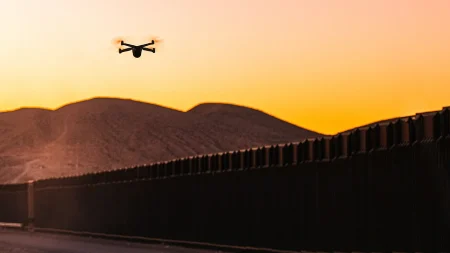



The shriek of sirens tore through the afternoon calm at King Khalid International Airport in Riyadh, and for the hundreds of travelers and workers inside, a normal day suddenly became a scene of terror. For days, the Houthi rebels had been launching missiles and drones toward Saudi Arabia, but this time the attack reached the very heart of the kingdom’s capital. Between October 7 and 11, according to Saudi-led coalition spokesman Turki al-Maliki, seventeen people were killed and 333 wounded in strikes on the airport. One attack involved ten drones, missiles, and other projectiles. Another struck Terminal Four with alarming precision, sending shrapnel through glass and steel where civilians move through security and departure gates. This was not the distant, messy conflict in Yemen that many in the world had learned to tune out. It was a direct, deadly assault on a major international hub, and it underscored a warning that former U.S. envoy Tim Lenderking had been repeating to anyone who would listen: the Houthis have become a clear and very present danger, not just to Yemen’s neighbors, but to the entire international community. The images from Riyadh, he said, were a statement. They were meant to show that the Houthis can reach deep into Saudi territory, that their weapons are sharper and their ambitions are no longer contained by Yemen’s borders.
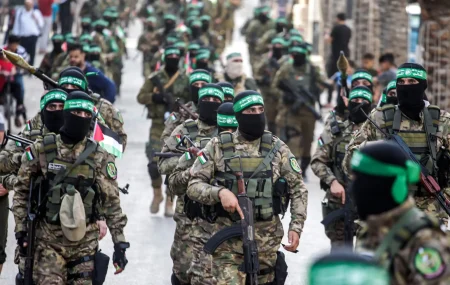
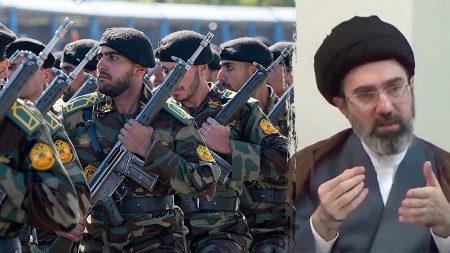
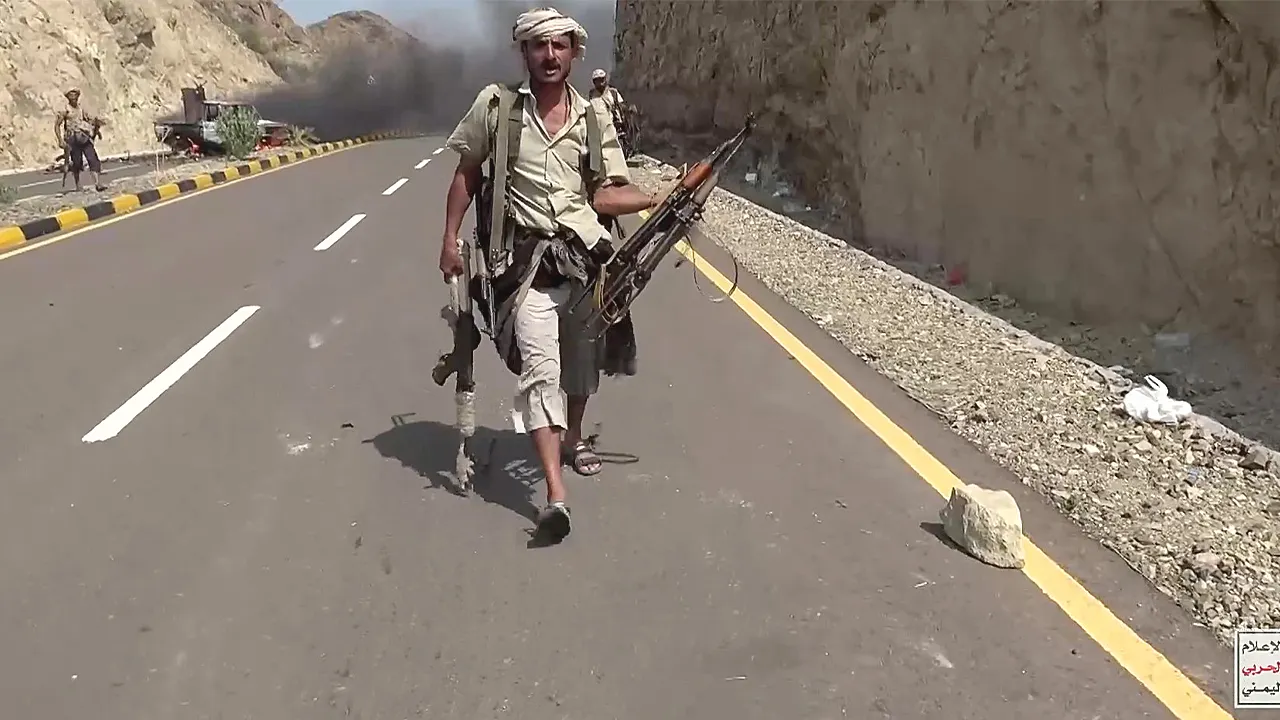
The Houthis did not always appear so fearsome. In the 1990s, they were a religious and political movement rising out of northern Yemen, led by the Houthi family and driven by a messianic narrative of leading the country in a certain direction, a small group with a mission and an agenda. Back then, few outside the region paid much attention. But everything changed after 2014, when Yemen’s civil war provided a doorway for Tehran. Iran began offering training, weapons, and money, turning a local rebel movement into a proxy army capable of fighting a regional power. Lenderking, who served as U.S. special envoy for Yemen from 2021 to 2025 and was posted to Saudi Arabia for years before that, recalled that Saudi officials warned American leaders more than a decade ago that the Houthis would become exactly this kind of threat. At the time, the group was quietly building up its capabilities, forging its narrative, and waiting for the moment to strike. The Saudis were very clear, Lenderking said. They saw the Houthis as a major threat, even when the outside world considered them a footnote. Now those warnings have materialized. The Houthis are no longer just Iran’s clients; they are an independent force with their own capacity to wage war, and their evolution has been dramatic enough to frighten even the nations that once dismissed them.
What concerns Lenderking most is that the Houthis have learned to stand on their own. “The Houthis don’t really need the Iranians anymore,” he said in a briefing at the Middle East Institute, where he now serves as a distinguished diplomatic fellow. Yes, the relationship with Tehran remains very important, and it enabled the Houthis to become the powerful force they are today. Iranian weapons, training, and support over the years gave them a foundation. But the group has since developed a homegrown, indigenous capability, and it has taken advantage of every division and moment of distraction across the Gulf region. During the Gaza conflict, the Houthis fired at ships and launched scattered attacks, and many observers might have assumed they were simply firing off old rockets and hoping for a strike. Instead, Lenderking says, they were improving. They can hit things better now. They are hitting Terminal Four of Riyadh Airport very specifically. That precision is a huge shift for a group that began as a mountain-based insurgency. Intelligence reports cited by regional officials say the Houthis launched multiple drones followed by cruise and ballistic missiles that traveled more than 620 miles across the Arabian Peninsula to reach Riyadh, raising troubling questions about Saudi air defenses and exposing vulnerabilities in the kingdom’s most protected spaces. This is no longer a localized skirmish, Lenderking stressed. The Houthis have the capability to strike around the region, up into the northern reaches of the Red Sea, and because they control Yemen’s entire western coastline along a vital shipping corridor between Europe and Asia, this is an international problem. They sit on one of the world’s key maritime chokepoints, capable of reaching ships, ports, and cities far beyond their own borders.
The Houthis’ self-sufficiency extends far beyond missiles and drones. Lenderking described an elaborate logistical machine that has grown under the radar of much of the world. They get a lot of supplies off the open market through the internet and commercial exchanges, he said. They have a very well entrenched smuggling network, from big boats onto small boats, onto tiny boats, on the pack animals, on people’s backs. They are able to move things undetected through government terrain, even through various borders, across vast open spaces. They are constantly moving, building, resupplying, restocking, and innovating. This system means the Houthis can sustain attacks even if Tehran is pressured or distracted. They have money in the bank from years of Iranian support, but they have also developed their own revenue streams. They rely on sales of black-market oil, extort Yemeni transport companies and businesses, and tax people in the areas they control. They force many families to offer up a son to fight on the front lines. This is not just a military force; it is a deeply entrenched, self-financing network that treats every household in its territory as part of the war effort. That makes the Houthis far more resilient than typical proxies, and far harder to defeat through sanctions or simply by cutting off their patron. They have built a war economy and a war machine that can adapt, endure, and expand, and they have done so while much of the international community was focused on other crises.
The danger is not limited to airports and military targets. Lenderking warned that the Houthis have set their sights on infrastructure that matters to the daily lives of millions and to the world’s energy markets. They have hit pipelines; they have diesel plants and other energy infrastructure in their sights. The kingdom’s vast oil and gas facilities, its desalination plants providing water to arid cities, and its industrial heart are all within reach. Last Tuesday, a Houthi strike caused damage to the headquarters of Saudi Aramco in Dhahran, and Reuters reported that a fire spread across several floors of the massive complex. Such attacks threaten to destabilize global oil supplies, already strained by attacks on other critical shipping lanes, and to send shockwaves through international markets. There are also deeply troubling signs of outside involvement in the Houthis’ advanced arsenal. Yemen’s government has accused the rebels of seeking Chinese components for their medium-range ballistic missiles, raising concerns that front companies are helping the group access sophisticated military technology through commercial channels that are extremely difficult to monitor. “There is a Chinese connection here that’s very detrimental,” Lenderking warned, explaining that the Houthis have been able to obtain weapons and parts through legitimate-looking trade networks. Combine these advanced capabilities with their strategic position on the Red Sea, and the group can threaten more than just Saudi Arabia: they can harass the world’s shipping, disrupt supply chains, and raise the cost of everyday goods for consumers everywhere. One blast at Riyadh Airport, Lenderking says, is a huge statement, and it is exactly why he insists that the conflict has crossed into a new, far more dangerous phase.
For all the strategic analysis, there is a deeply human dimension that must not be lost. The people killed and wounded at Riyadh airport were ordinary travelers, airline workers, security officers, and families waiting for loved ones. Dozens of Saudi families are now mourning while hospitals tend to the injured, and the ripple effects of that fear and uncertainty spread well beyond the kingdom. Across the Red Sea, Yemen’s own people have already suffered through years of war, poverty, and displacement. And the Houthis, by turning their guns outward, are stealing the future of the region for everyone. Lenderking’s message is direct: the threat has become international, and immediate action is required. The United States and the international community cannot afford to wait for another attack that hits closer to home or disrupts vital energy shipments that power factories and homes across the globe. President Donald Trump, when asked whether the United States would defend Saudi Arabia from further Houthi attacks, only replied, “You’ll find out soon.” That uncertainty is not a strategy, and Lenderking’s warning makes clear that the Houthis are counting on hesitation. They have become a generation-defining threat, not because one rebel group controls a poor corner of the Arabian Peninsula, but because they have shown that they can reach Riyadh, strike global energy infrastructure, and hold international commerce at risk. The time for calling them a regional nuisance is long over. This is a clear and present danger, and the world is only beginning to understand how much is at stake.