


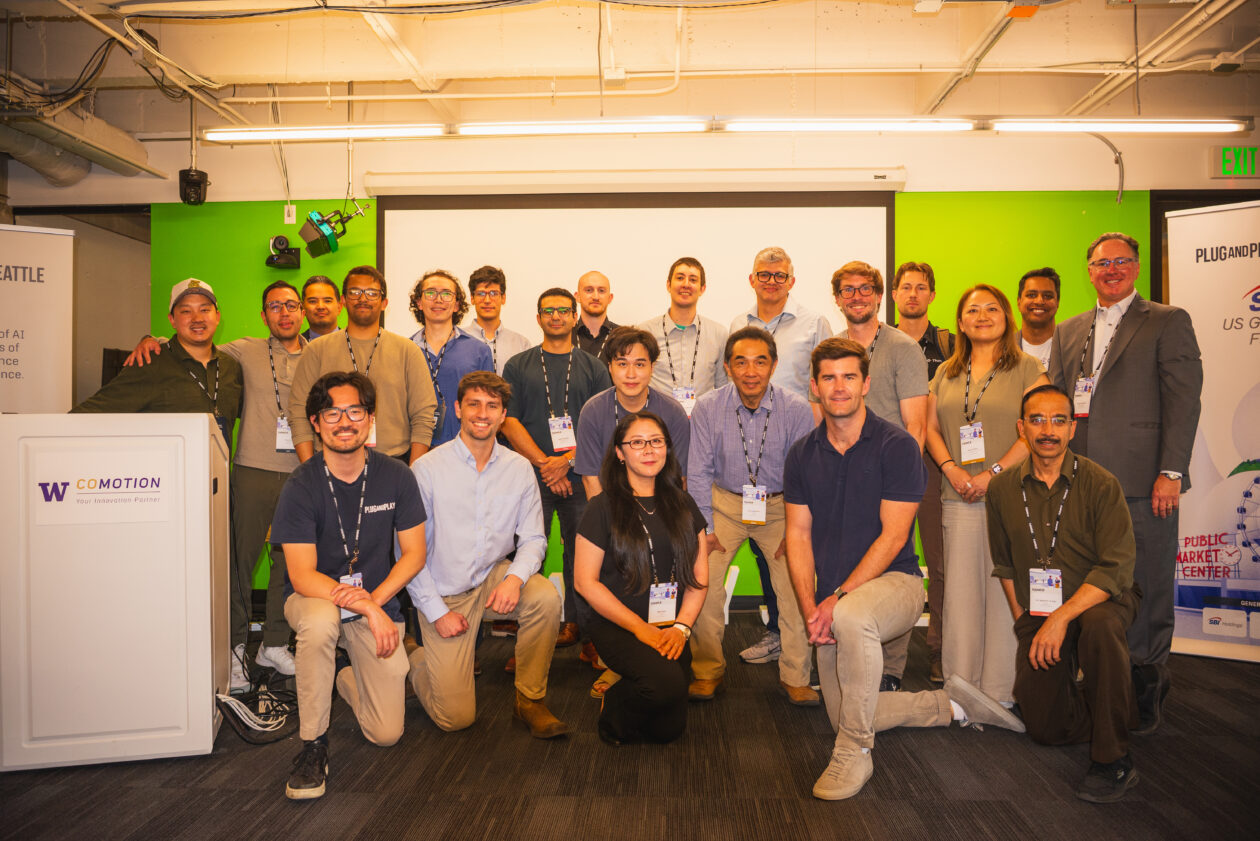
In the rain-soaked heart of the Pacific Northwest, where the spirit of maritime invention meets the relentless pulse of modern computing, a new generation of dreamers is ready to shake the world from its foundations. Their targets are lofty, spanning the sterile vacuum of outer space, the lightning-fast corridors of data centers, and the intricate, fragile chemistry of the human brain. This September, Plug and Play, the global innovation platform known for turning garage projects into billion-dollar enterprises, has officially thrown open its doors for the fourth cohort of its Seattle accelerator program. Eleven scrappy, ambitious startups have been selected to trade their solitude for mentorship, their spreadsheets for corporate partnerships, and their uncertainty for a structured pathway toward market disruption. From Tokyo to Lake Washington, they have gathered to embark on a twelve-week odyssey that officially kicks off on September 21st and will run straight through the heart of December. Their ambitions range from the seemingly mundane—replacing copper wires with light—to the deeply profound—creating antibodies that could stop the opioid crisis in its tracks, or robotic arms that can repair decaying satellites miles above our heads.
This isn’t just a curated list of tech novices, though. It is a strategic blend of biological wizards, hardware engineers, and AI prophets. Ten of these startups call Seattle home, tapping into the region’s deep bench of engineering talent and the intellectual firepower of the University of Washington. The lone international traveler, Tokyo-based Aeterlink, brings a unique flavor of Japanese precision and is participating through an exploratory international track, specifically designed to help foreign-born technology establish a foothold in the U.S. market. The program itself is meticulously crafted to be as flexible as it is intense. Founders will toggle between virtual workshops designed to kill funding friction and in-person, hands-on sessions held at two significant regional hubs: the bustling, academia-adjacent CoMotion Labs at UW, and the more industrial, globally focused SNBL Global Gateway in Everett, Washington. The pressure cooker has a clear finish line, however. On December 3rd, at the iconic Boeing Future of Flight museum in Mukilteo—a location chosen to invoke aviation and aerospace legacy—these founders will step onto a brightly lit stage to pitch their progress to a room brimming with impatient venture capitalists and strategic corporate partners.
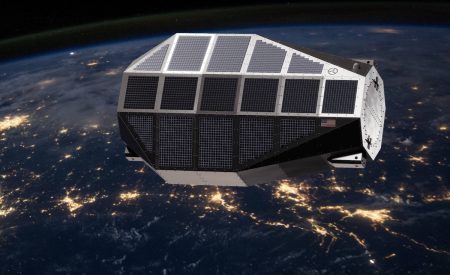
Jack Callaghan, the director of Plug and Play Seattle, exudes a quiet confidence that matches the weight of this responsibility. In his view, the Pacific Northwest has matured past its identity as a satellite office for Silicon Valley giants. “Seattle has the talent and research depth to build companies that shape entire industries,” he said, placing a bold, yet grounded, bet on the newest batch. “This cohort reflects that potential, from advancing drug discovery to building the infrastructure behind AI.” That infrastructure is a sprawling vista of different disciplines. Take Orbital Robotics, for instance—a Seattle concern tackling one of the most hazardous jobs in existence. They are building artificially intelligent robotic arms designed for in-space servicing, assembly, and manufacturing. Using cutting-edge vision-based control systems, these arms can capture floating, uncooperative objects in space without needing specialized docking hardware—think of a skilled astronaut catching a rogue football in zero gravity, but with the durability of titanium. Closer to Earth, but equally critical, is Raydx, which confronts a logistical crisis in our AI era. As data centers grow to accommodate massive inference models, the copper connections that transmit data are becoming a bottleneck. Raydx’s silicon-photonics interconnects replace those copper cables with light, drastically speeding up AI inference times while cutting heat and energy costs.
The hardware contingent also includes Thoron, a manufacturer stepping up to bring manufacturing back to American soil. Their enterprise drones, built entirely in the U.S., are paired with Commander, a robust AI-powered software platform that crunches the high-resolution data the drones capture into actionable intelligence. This isn’t just a flying camera; it’s a strategic tool for agriculture, construction, and security. Meanwhile, Aeterlink is working to kill the cable once and for all. Their wireless power systems transmit electricity through the air without physical contacts, a technology destined to revolutionise industrial automation, smart building management, and even the realm of implantable medical devices. Their presence in Seattle is a testament to the city’s gravitational pull on high-impact tech. Of course, no modern revolution is complete without a deep dive into biotechnology. The cohort has four clinical warriors wading into the delicate world of human health, each targeting a different wound in the medical system.
CounterX Therapeutics is arguably the most urgent of these. In a country grappling with a devastating epidemic of accidental overdoses, CounterX is developing powerful antibody therapeutics and vaccines designed not to induce a high, but to blunt the effects of opioids entirely. Their goal is a protective shield for high-risk patients—a biological antidote that lives in the bloodstream, ready to neutralize fentanyl and other synthetic killers before they cause respiratory arrest. DiffBio takes a more foundational approach. They are building a bridge between the digital and the physical by integrating computational protein design with hands-on wet-lab testing. Through gene synthesis, cloning, and automated screening, they allow researchers to move a protein design from a computer model to a tested reality in record time, dramatically increasing the success rate for drug targets that were previously considered “undruggable”. Similarly, Talus Bio is refining the lens through which we evaluate drug compounds. By measuring the effects of a compound on hundreds of different gene-regulating proteins inside live human cells, they provide a holistic snapshot of a drug’s impact. This macro-understanding helps pharmaceutical companies catch toxicity issues early and accelerates the discovery of treatments for complex, multi-pathway diseases. Q-Immune, on the other hand, is hyper-focused on safety. They analyze protein interactions in live cells to predict the toxicity of new therapies before they ever reach human trials, specifically working to make cell-based cancer treatments safer and more effective.
Finally, no modern cohort would be complete without a sizeable dash of pure artificial intelligence. Athanor AI has built Kairos, a verification platform that grounds AI-generated chip design code in pure mathematics. In an industry where AI hallucination could lead to chip failures costing millions, Kairos uses mathematical proofs to validate the code, ensuring the chips are as flawless as mathematics permits. Coda AI is hooking into the automotive world, deploying an AI-native diagnostics platform that fuses large language models with deterministic computation. This allows automakers to sift through the torrents of data generated by a modern vehicle—both in the cloud and on the onboard systems—to identify mechanical issues with human-like comprehension and machine-like precision. And in the realm of neurotech, Mindmorphic is tackling one of the great frontiers: mind-reading. They are constructing foundation models for brain signals that function across different individuals, eliminating the need for copious person-specific retraining. This is a massive leap for brain-computer interfaces, moving the technology from the lab gimmick stage to a potential medical standard for patients with paralysis or neurological disorders.
Behind this whole operation sits Plug and Play, a powerhouse that has been nurturing innovation since long before Seattle became its latest outpost. Launching its Seattle presence in March of 2025, the organization has leveraged its dual-mission model: accelerating startups while simultaneously running corporate innovation programs for behemoths seeking fresh ideas. The firm’s in-house venture capital fund has a stellar track record, having backed household names like Dropbox, Guardant Health, Honey, Lending Club, N26, PayPal, and Rappi early in their lifespans. This pedigree provides a subtle but profound reassurance to the 11 founders now strapping in for a rigorous journey. They are not just pitching to intermediaries; they are pitching to an institution that has a financial history of backing winners. As the leaves begin to turn in the Pacific Northwest in the fall of 2026, these founders carry a weight that is equal parts exhilarating and terrifying. They have left the comfort of their code editors and lab benches to stand before judges who hold the keys to their next round of funding. But they do so knowing that the infrastructure around them—the cutting-edge robotics facilities in Everett, the collaborative science labs at UW, and the strategic guidance of Plug and Play—is designed for them to win. The final showcase at Boeing’s museum is not just a capstone project; it is a decisive moment, poised to determine who among these eleven will ascend into the pantheon of tech success, and who will fade back into the shadows of the startup graveyard. One thing is certain: the Seattle region is buzzing with a renewed energy, betting that this crop of innovators—building the foundational layers of our robotic, biological, and digital future—will change the way we live, work, and breathe.