



In the rapidly evolving world of biotechnology, where breakthrough promises often outpace tangible results, Seattle-based Accipiter Biosciences is charting a course defined by both ambition and pragmatic caution. Emerging from stealth mode in late 2025 with an impressive $12.7 million in seed funding and high-profile pharmaceutical alliances, the startup has quickly reinforced its financial runway with an additional $10.5 million. This new injection of capital, sourced entirely from existing investors who clearly believe in the company’s trajectory, represents more than just financial security; it is a deliberate strategic move to accelerate their therapeutic pipeline. Matthew Bick, the co-founder and CEO of Accipiter Bio, points out that while the company could have comfortably stuck to its original, more conservative roadmap, the rapid scientific progress they achieved made it logical to capitalize on their momentum. Instead of playing it safe, the young company is actively expanding its horizons, leveraging this fresh funding to diversify its clinical portfolio and transition from a quiet, exploratory research group into a formidable, active player in the drug-development landscape.
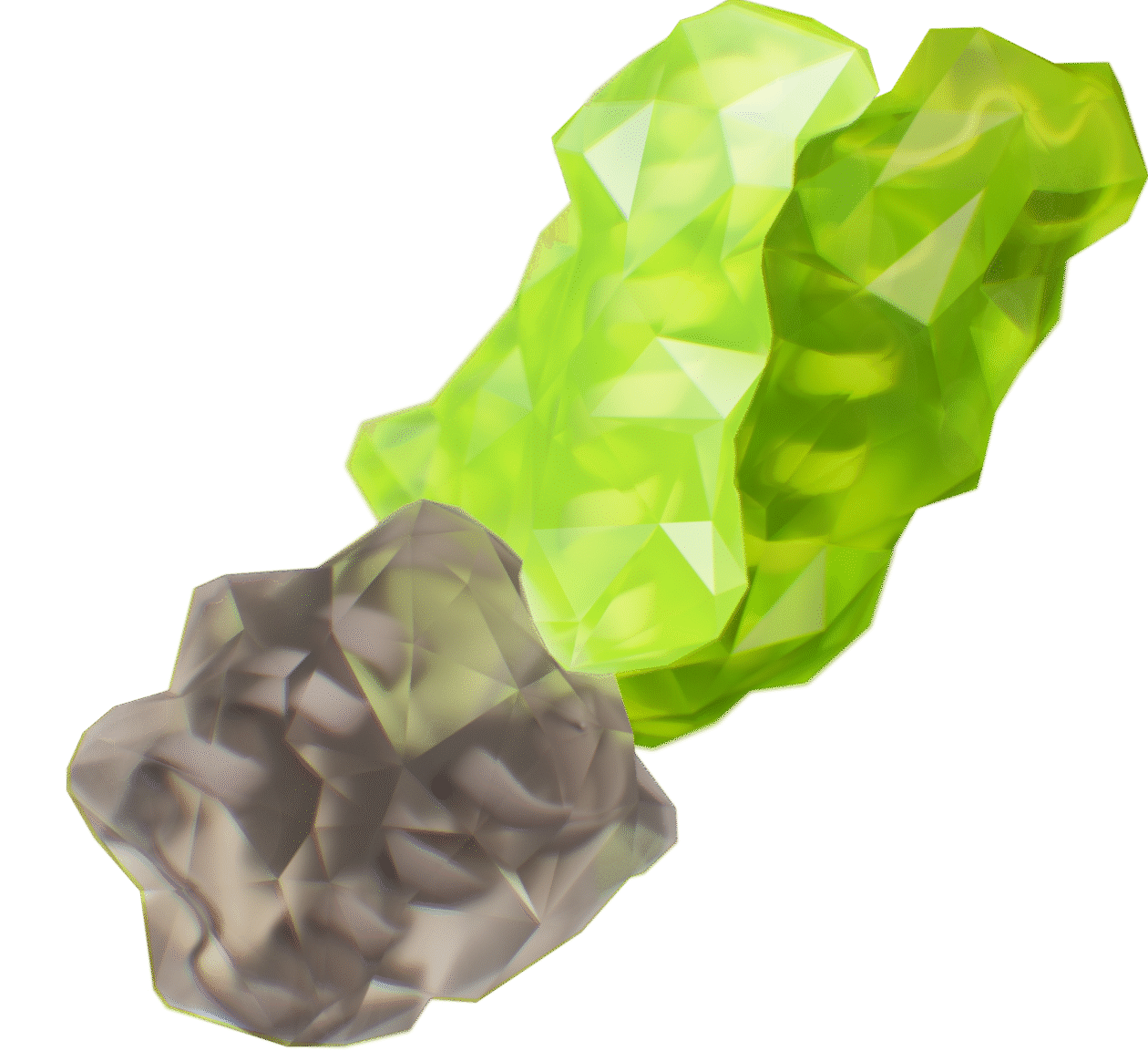
At the core of Accipiter Bio’s scientific identity is a deep connection to the University of Washington’s renowned Institute for Protein Design, a legendary hub led by Nobel laureate David Baker. Several of Accipiter’s researchers cut their teeth at this institution, learning to harness cutting-edge artificial intelligence tools to reshape the fundamental building blocks of biology. Specifically, the startup is pioneering the creation of custom-engineered proteins that possess a unique and powerful capability: the ability to simultaneously bind to multiple cellular targets. Traditional therapeutic antibodies are typically limited to targeting one specific pathway at a time, which can limit their effectiveness against highly adaptable and complex diseases. Accipiter’s approach, visually represented by engineered proteins featuring multiple active binding sites, aims to unlock entirely new biological mechanisms. By engaging multiple disease targets at once, these synthetic molecules can potentially orchestrate a far more potent and precise therapeutic attack, bypassing the biological redundancies that often render standard treatments ineffective.
This innovative scientific approach has not gone unnoticed by the giants of the pharmaceutical industry, who are increasingly eager to partner with agile startups capable of translating computational biology into viable treatments. Accipiter Bio has established a highly lucrative collaboration and licensing agreement with Pfizer, which includes a substantial upfront payment and the potential to unlock more than $330 million in milestone payments and future royalties. In tandem, the startup has secured a similarly structured partnership with Kite Pharma, a subsidiary of Gilead Sciences renowned for its pioneering work in oncology and cell therapies. These major industry alliances serve a dual purpose: they validate Accipiter’s computational platform under the rigorous scrutiny of world-class pharmaceutical developers, and they generate the non-dilutive capital necessary to sustain the company’s independent research. By collaborating with industry leaders to design proteins for specialized cell therapies, Accipiter is establishing itself as an essential architectural engine for the next generation of medicine.
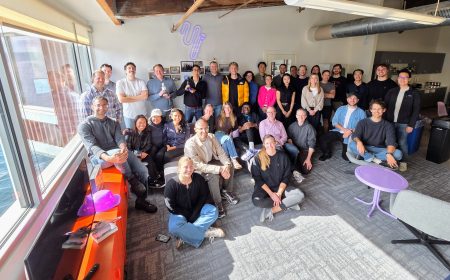
While these corporate partnerships provide a solid foundation of commercial validation, the new funding is also being channeled directly into Accipiter’s proprietary, in-house drug-development programs. Originally, the startup’s leadership envisioned advancing only one or two internal candidates into the expensive and rigorous phase of clinical trials. However, the unexpected influx of capital has empowered them to scale up their ambitions, allowing them to prepare three or four distinct programs for human clinical trials. While oncology remains a foundational pillar of their research, Bick has revealed that the company is heavily focusing its internal efforts on immunology-related conditions. Treating diseases where the immune system turns on the body requires an incredibly delicate, multi-targeted touch—a challenge perfectly suited for Accipiter’s engineered proteins. To support this expanded clinical push, the company is growing its physical footprint, planning to expand its tight-knit team of 22 scientists to a robust staff of roughly 30 specialists over the next year.
Despite the palpable excitement surrounding their work, Bick remains a refreshing voice of moderation in an industry currently swept up in AI-fueled hyperbole. In recent years, the public narrative surrounding artificial intelligence in drug discovery has often drifted toward science fiction, suggesting that supercomputers can effortlessly generate miracle cures at the push of a button. Bick is quick to dismantle this oversimplification, warning that the reality of creating complex therapeutics is incredibly demanding and messy. He emphasizes that while AI algorithms are invaluable tools for mapping out initial molecular structures, they cannot replace the deeply human, almost artistic element of scientific discovery. Truly groundbreaking drug design still relies heavily on asking the right therapeutic questions, conducting meticulous manual engineering, and cultivating what Bick calls “protein intuition”—a tacit, hard-earned understanding of molecular behavior that only comes from years of hands-on laboratory experience.
This grounded, realistic perspective is born of direct experience, as Bick and two of his co-founders previously worked at Neoleukin, an earlier spinout from David Baker’s UW lab that served as a powerful lesson in the unpredictability of drug development. Neoleukin was once a highly anticipated star in the biotech sector, but its lead engineered protein candidate underperformed during Phase 1 clinical trials, ultimately forcing layoffs and a quiet merger. This past setback serves as a vital compass for Accipiter’s leadership, reminding them that biological systems are infinitely complex and that success on a computer screen does not automatically translate to success inside a human body. By combining the revolutionary potential of computational design with a humble, clinical-first mindset, Accipiter Biosciences is striving to honor the lessons of the past. They are proving that the future of biotechnology lies not in relying solely on machines, but in the harmonious fusion of advanced technology and rigorous human expertise.