


When the earth violently fractured underneath Venezuela on June 24, 2026, it did not just shatter buildings; it tore apart the very fabric of countless families and communities. The devastating twin earthquakes struck with a terrifying suddenness, turning bustling neighborhoods into vast, chaotic expanses of pulverized concrete and twisted steel. In the days that followed, the true, heartbreaking scale of the disaster began to materialize, with Venezuelan National Assembly President Jorge Rodríguez announcing a grim and steadily rising death toll that has already climbed to 1,450 lives lost. Amidst the choking dust and the agonizing silence of collapsed structures, a desperate race against time began—a collective, breathless struggle to find anyone still breathing beneath the ruins before hope entirely faded.
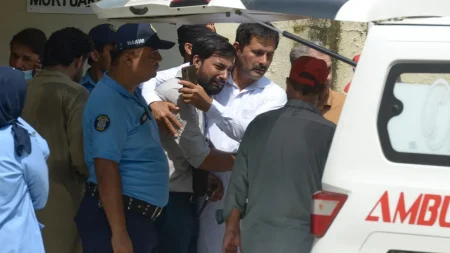
Behind these staggering statistics lie deeply personal stories of unimaginable grief and shattered dreams. Among those mourning is Argentine soccer player Lucas Trejo, whose world was irrevocably broken when a collapsing building claimed the lives of his beloved wife and their two young children. For Trejo, and for thousands of other grieving mothers, fathers, and siblings across Venezuela, the physical tremors of the earthquake may have stopped, but the emotional aftershocks will reverberate for a lifetime. Stories of such profound, sudden loss have cast a somber shadow over the nation, reminding the world that each number in the mounting death toll represents a unique human life, a cherished voice silenced, and a family forever altered by a cruel twist of nature.
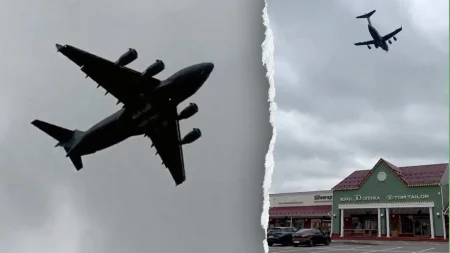
Faced with a catastrophe of this magnitude, political boundaries yielded to the urgent imperative of human survival, prompting the Venezuelan government to formally request international assistance. Responding swiftly to this desperate call, the United States mobilized a massive humanitarian effort led by the State Department and executed on the ground by U.S. Southern Command (SOUTHCOM). To prevent placing any additional strain on Venezuela’s already crippled infrastructure and scarce local resources, SOUTHCOM designed its disaster assistance deployment to be entirely self-sustaining. This logistical precision meant that as American military personnel and critical supplies landed in the disaster zones, they brought everything they needed to survive and operate independently, ensuring that every ounce of local water, food, and fuel could remain dedicated exclusively to the victims of the disaster.
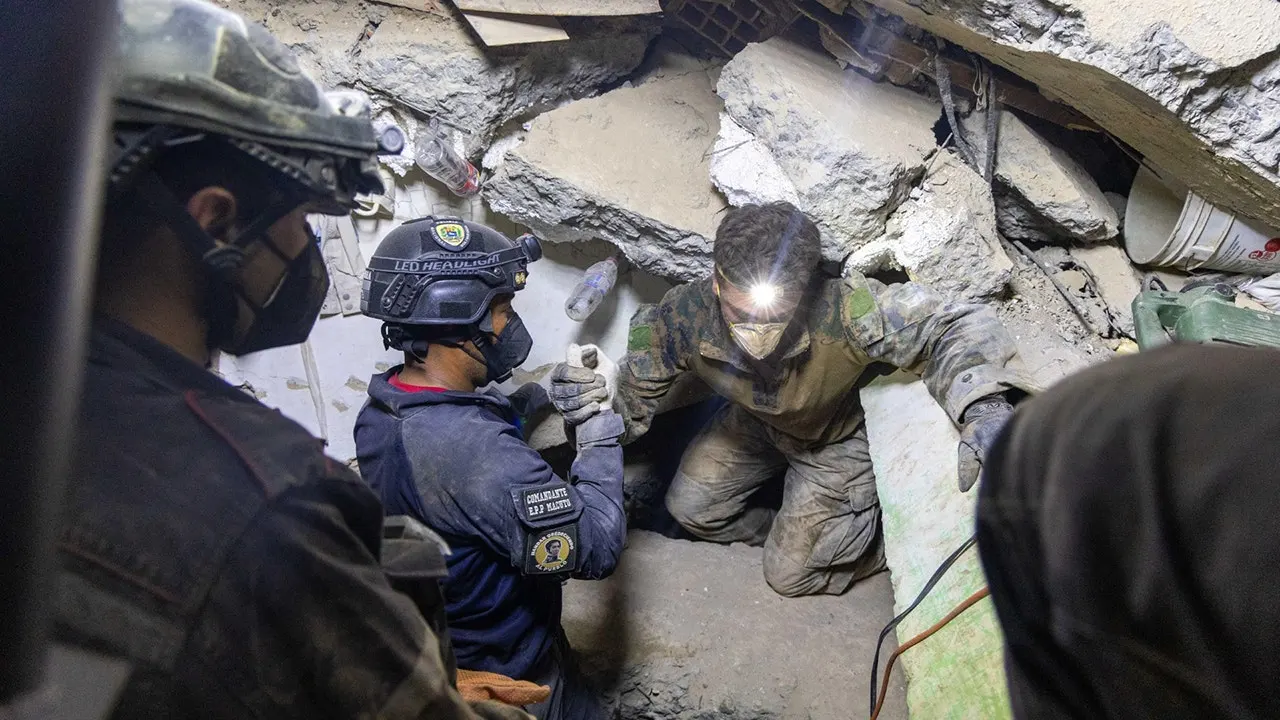
The true heart of this mission beat in the hands of the U.S. Marines and international first responders who immediately threw themselves into the perilous ruins of the hardest-hit communities. Working tirelessly underneath a relentless sun and through the pitch-black uncertainty of the night, these rescue crews scrambled over unstable mounds of debris, listening intently for any faint sound of life. Images captured from the scene show Marines and local emergency workers working hand-in-hand, navigating dark voids in cracked structures and using their bare hands to clear heavy rubble in a frantic race against the clock. Their relentless dedication transcended language barriers and national identities, unified by a singular, exhausting, and noble purpose: to claw back as many lives as possible from the jaws of tragedy.
Amidst the overwhelming sorrow and the grueling physical labor, moments of profound, tearful joy have occasionally pierced through the gloom, reinforcing the rescuers’ resolve to keep digging. In one miraculous turn of events, American rescue squads successfully extracted a tiny infant, alive and breathing, from deep beneath the heavy concrete slabs of a collapsed building days after the initial quakes. The survival of this fragile child, who had spent days trapped in the dark without food or water, felt like a defiance of death itself and brought hard-nosed rescue workers to tears. This single, breathing symbol of hope served as a powerful reminder of why these men and women refuse to sleep, injecting a fresh wave of energy into the weary teams as they continue to search for other survivors hidden in the shadows of the ruins.
To sustain these grueling search-and-rescue operations and lay the groundwork for long-term recovery, the Trump administration pledged $150 million in emergency humanitarian aid and deployed Navy warships to reinforce the logistically complex sealift of supplies. This sweeping display of support underscores a deep-seated global solidarity with the people of Venezuela as they navigate one of the darkest chapters in their modern history. While the road to physical and emotional rebuilding will undoubtedly be long, painful, and fraught with immense challenges, the tireless partnership between international rescuers and local communities offers a glimmer of light. As the world watches these brave teams labor through the dust, there is a collective hope that from these ruins, a resilient spirit of unity will emerge to help heal the broken heart of a nation.