



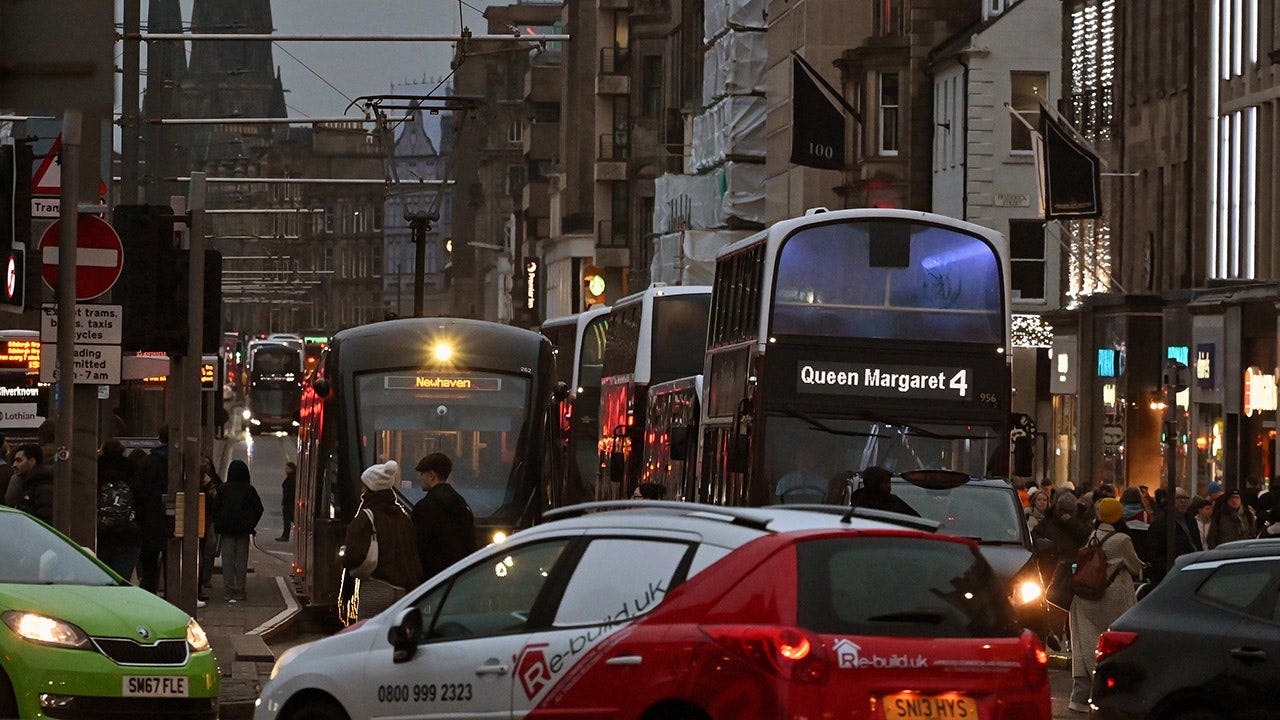
On what should have been a peaceful Friday evening in Edinburgh, Scotland, the comforting rhythm of a quiet weekend was shattered by a swift and deeply unsettling wave of violence. Just before 9:00 p.m., as congregations were concluding their prayers and stepping back into the crisp evening air, a terrifying sequence of events began to unfold near a local mosque. A 36-year-old Scottish man, allegedly fueled by anti-Muslim animus, embarked on a frantic rampage that targeted innocent pedestrians, leaving five men—ranging in age from 22 to 39—physically injured and emotionally traumatized. For the victims, who were simply going about their daily routines, the unexpected assault transformed a familiar neighborhood street into a scene of chaotic survival. While medical professionals confirmed that none of the victims sustained life-threatening injuries, three of the men required urgent hospitalization to treat their wounds. The psychological scars of such an unprovoked attack, however, run far deeper than physical flesh wounds, instantly shattering the sense of safety that Edinburgh’s diverse communities have long cherished. The immediate aftermath was marked by confusion and sheer panic as witnesses scrambled to make sense of a fast-moving threat, and the quiet sanctity of a place of worship was suddenly juxtaposed with the harsh reality of hate-fueled violence.
The suspect’s terrifying path of destruction was not confined to a single street; rather, it spilled across multiple locations in a chaotic, adrenaline-fueled trail of terror that captivated social media and alarmed local authorities. Beyond the initial confrontations near the mosque, the assailant targeted a local gas station, where he allegedly assaulted a vehicle with an axe, leaving the car with its windows completely shattered and a weapon left behind as a stark symbol of his rage. Terrified bystanders and employees looked on in disbelief as the suspect entered the station’s market, violently sweeping shelves of merchandise onto the floor in an erratic display of aggression. Shortly thereafter, security cameras at a nearby pizzeria captured chilling footage of the man outside the establishment, brandishing a weapon and menacingly confronting individuals on the street. As social media quickly filled with shaky, real-time videos of the ongoing madness, a profound sense of vulnerability gripped the city’s residents. These digital recordings, showcasing the frantic shouts of onlookers and the frantic movements of the attacker, painted a vivid picture of a community held hostage by a single individual’s destructive crusade, highlighting how quickly public space can be compromised by targeted hostility.
Responding to a deluge of urgent emergency calls detailing the fast-moving sequence of events, Police Scotland mobilized a massive, coordinated effort to neutralize the threat and restore order to the capital city. Acting with immense urgency, officers tracked the suspect through the historic streets, prioritizing public safety in a high-stakes pursuit that ultimately led to the man being taken into custody around 9:30 p.m., just thirty minutes after the terror began. Because of the clear ideological motivations driving the assault, traditional law enforcement was quickly bolstered by the specialized expertise of Counter Terrorism Policing, working alongside the Crown Office and Procurator Fiscal Service to ensure a comprehensive investigation. Assistant Chief Constable Catriona Paton spoke directly to the public’s fears, describing the rampage as a shocking and unacceptable incident that ran entirely counter to Scotland’s core values. In her public address, she extended deep sympathy to the victims and their families while delivering an unequivocal message: there is absolutely no place for racism, Islamophobia, or faith-based hatred in a modern Scotland. Despite these reassurances, the necessity of specialized counter-terrorism intervention served as a sobering reminder of the very real, extremist threats currently simmering beneath the surface of contemporary society.
The horror of the attack became even more pronounced when details emerged regarding the suspect’s chilling declaration upon his arrest, wherein he allegedly claimed he was acting to “protect the country.” This warped sense of patriotism highlights a dangerous and recurring theme in modern hate crimes, where violent individuals co-opt nationalist sentiment to justify bigotry and violence against minority groups. By framing an unprovoked onslaught against innocent Muslim men as an act of national defense, the attacker revealed the profound danger of radical, xenophobic ideologies that define national identity through exclusion and hostility. This rhetoric strips victims of their humanity, reducing them from fellow citizens, neighbors, and friends into perceived existential threats that must be eradicated. For Edinburgh’s Muslim community and the broader public, hearing such dehumanizing justifications is deeply unsettling, as it highlights how easily online echo chambers and extremist propaganda can twist minds into viewing senseless cruelty as an honorable duty. This incident forces a broader societal reflection on how hate spreads, reminding us that words have consequences and that unchallenged prejudice can easily manifest as physical violence on our streets.
Reacting to the violence with a mixture of grief and weariness, the Muslim Council of Britain issued a poignant statement expressing the deep anxiety and nervousness currently felt by Muslims throughout the United Kingdom. Representatives pointed out that this senseless rampage did not occur in a vacuum but is instead part of a worrying escalatory trend, coming closely on the heels of violent, racist pogroms that recently targeted minority facilities and families in Belfast. The Council laid the blame for this rise in hostility directly at the feet of divisive political rhetoric, arguing that when public figures and media outlets demonize entire communities for political gain, they pave the way for extremist individuals to act on those dangerous narratives. In their message, they offered a comforting yet urgent plea to their community members to remain highly vigilant, look out for one another’s safety, and consistently report any instances of Islamophobic abuse to the police. This call to action emphasizes the high degree of resilience required by minority groups, who must navigate their daily lives with an elevated sense of caution simply because of their faith and appearance.
Ultimately, while this dark chapter in Edinburgh’s history has left a community shaken, it has also sparked a powerful counter-narrative of unity, resilience, and collective determination. Scotland’s identity has long been defined by its diverse, multicultural tapestry, and the widespread condemnation of this attack from all sectors of society serves as a testament to that enduring spirit. Leaders, neighbors, and citizens of all faiths and backgrounds have rallied together to support the victims, making it clear that a threat to one community is a threat to the harmony of the entire nation. By standing shoulder-to-shoulder, the people of Edinburgh are actively demonstrating that love and mutual respect are far stronger than the isolated acts of hatred designed to tear them apart. As the legal system begins the process of holding the perpetrator accountable, the human focus remains squarely on healing, solidarity, and the stubborn refusal to let fear dictate the future. Through open dialogue, community outreach, and unwavering support for those affected, Scotland aims to emerge from this tragedy stronger, proving that a society at its best is one where everyone, regardless of belief, can walk the streets in peace and dignity.