

The human cost of geopolitical conflict often registers first in the headlines as macro-political debates, but for Melody diDonato, a Jewish-American woman working in the information technology department at Pomona College, it became an intimate, daily battle with fear. For years, diDonato had navigated the quiet routines of her IT role at the prestigious Southern California institution, helping students and faculty bridge technical gaps on a campus known for academic rigor and scenic tranquility. However, the academic year of 2024 shattered that tranquility, transforming her familiar workplace into a source of profound psychological distress and leading her to file a landmark lawsuit in the Los Angeles County Superior Court seeking at least one million dollars in damages. The legal action, which alleges that the college’s handling of intense pro-Palestine protests created a hostile and unsafe working environment, represents a deeply personal reckoning; it details how a dedicated staff member felt forced to abandon her livelihood after being consumed by anxiety, isolation, and a devastating sense of vulnerability that eventually culminated in her constructive termination in May 2025.
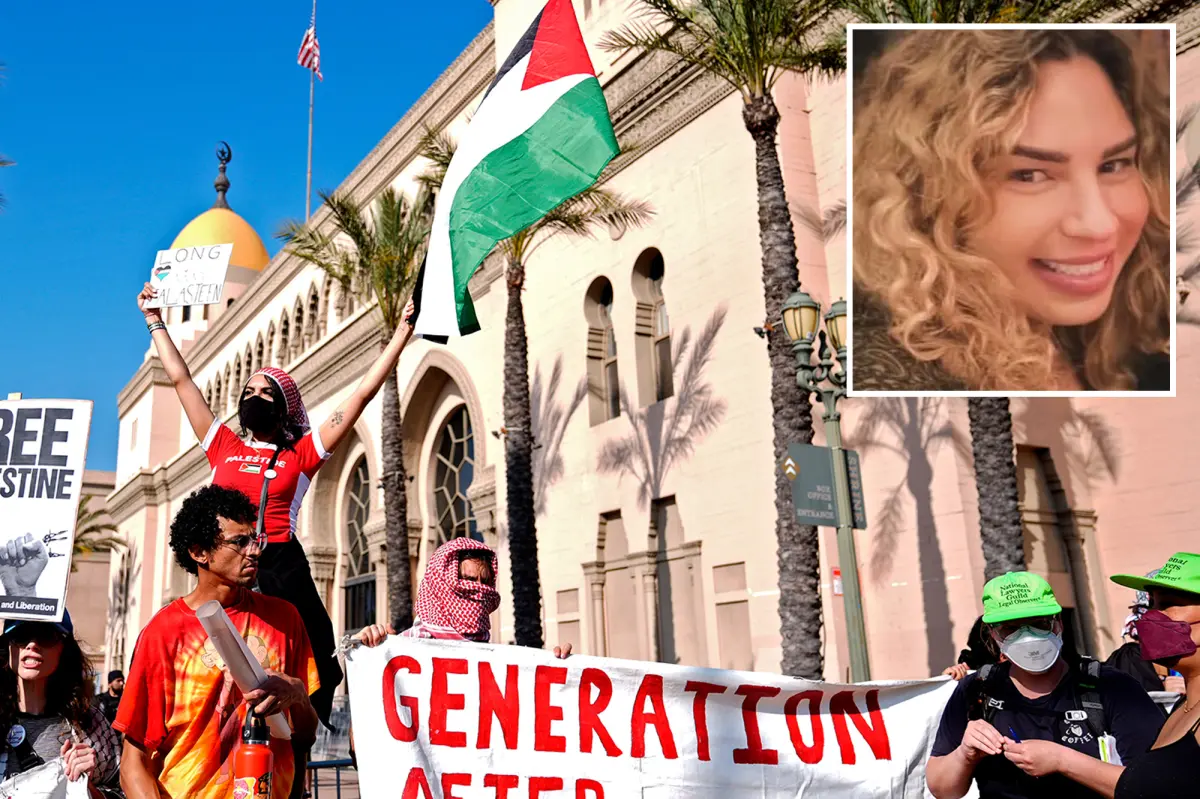
For diDonato, the physical reality of the campus she once loved deteriorated rapidly as passionate protests over Israel’s military campaign in Gaza swept through American universities, leaving behind a wake of infrastructural and emotional damage. Her lawsuit paints a vivid and painful picture of her daily life during this turbulent period, describing how she was routinely confronted with shattered glass, hostile barricades, and antisemitic graffiti that defaced campus landmarks. These physical markers of anger and division were not merely political statements to diDonato; they were direct, visceral assaults on her sense of personal safety, restricting her freedom of movement and leaving her with the recurring terror that she might cross paths with violent demonstrators during her regular work shifts. The disruption reached a crescendo when protestors aggressively occupied key administrative areas, including the university’s president’s office and a commencement stage, leaving diDonato feeling physically trapped and mentally exhausted, a state of mind that clinical professionals would later associate with severe post-traumatic stress disorder (PTSD).
The alienation diDonato experienced on campus was compounded by what she described as a painful breakdown of professional boundaries and a lack of support within her own department. According to the lawsuit, her supervisor introduced international political hostilites directly into their working relationship by sending a highly charged message titled “Welcome to an Apartheid State,” which offered a scathing critique of Israeli Prime Minister Benjamin Netanyahu. For diDonato, this communication went far beyond ordinary political discourse; she experienced it as a direct, targeted attack on her identity as a Jewish-American woman, making her feel alienated and unwelcome under her own manager’s leadership. Desperate for relief and suffering from severe emotional distress, diDonato formally contacted the college’s Human Resources department in May 2024 to report her declining mental health, her struggle with PTSD, and the daily hostility she was facing. But rather than receiving the empathy or structural support she desperately sought, she alleges that her pleas were met with bureaucratic indifference, leaving her to grapple with her evolving trauma entirely alone.
From diDonato’s perspective, Pomona College’s administrative response to the crisis was characterized by a pattern of appeasement that prioritize political posturing over the fundamental safety of its workforce. The lawsuit alleges that university officials practically bent over backwards to accommodate the student protestors, choosing to tolerate unruly encampments and repeatedly declining to bring in a stronger police presence that could have restored order and protected vulnerable employees. When student activists successfully breached and occupied the office of the college president, it sent a clear, terrifying signal to diDonato that the administration had lost control of its own campus and could transition no guarantee of protection to the staff working inside its buildings. This apparent reluctance by the institution to enforce standard safety protocols or set firm boundaries for disruptive behavior created a climate of permissiveness, making her feel as though her personal safety was considered collateral damage in the college’s public relations strategy.
Unable to cope with the mounting pressure and the daily threat of emotional re-traumatization, diDonato went on medical leave in June 2024, embarking on a painful, year-long struggle to recover her mental well-being away from the hostile environment of the campus. Despite her efforts to heal, the severe psychological trauma she suffered proved of such a magnitude that she found herself physically and emotionally unable to return to her duties in the IT department, leading to her final separation from Pomona College in May 2025. Her attorney, David Tashroudian, has emphasized that this lawsuit is not merely about seeking financial restitution for a lost career, but about holding educational institutions accountable for their basic duty of care to their employees. Tashroudian expressed hope that the legal proceedings would establish a critical precedent, forces universities to reflect on how their operational decisions impact working-class employees, and ultimately help build a safer, more inclusive environment where both students and administrative staff can work free from fear and harassment.
While the legal battle is still unfolding, Pomona College has vigorously denied diDonato’s allegations, indicating that it intends to mount a robust defense in court to protect its institutional reputation. In a public statement, the college asserted that any form of discrimination, harassment, or antisemitism is fundamentally antithetical to its core mission and values, insisting that it remains dedicated to fostering a safe and respectful campus environment for all of its community members. Yet, regardless of the ultimate court verdict, diDonato’s story serves as a sobering reminder of the quiet, human casualties of public ideological battles, highlighting how ordinary employees, who have no say in national or international politics, are often the ones who pay the heaviest personal price when institutions fail to balance the freedom of expression with the basic human right to feel safe at work.