


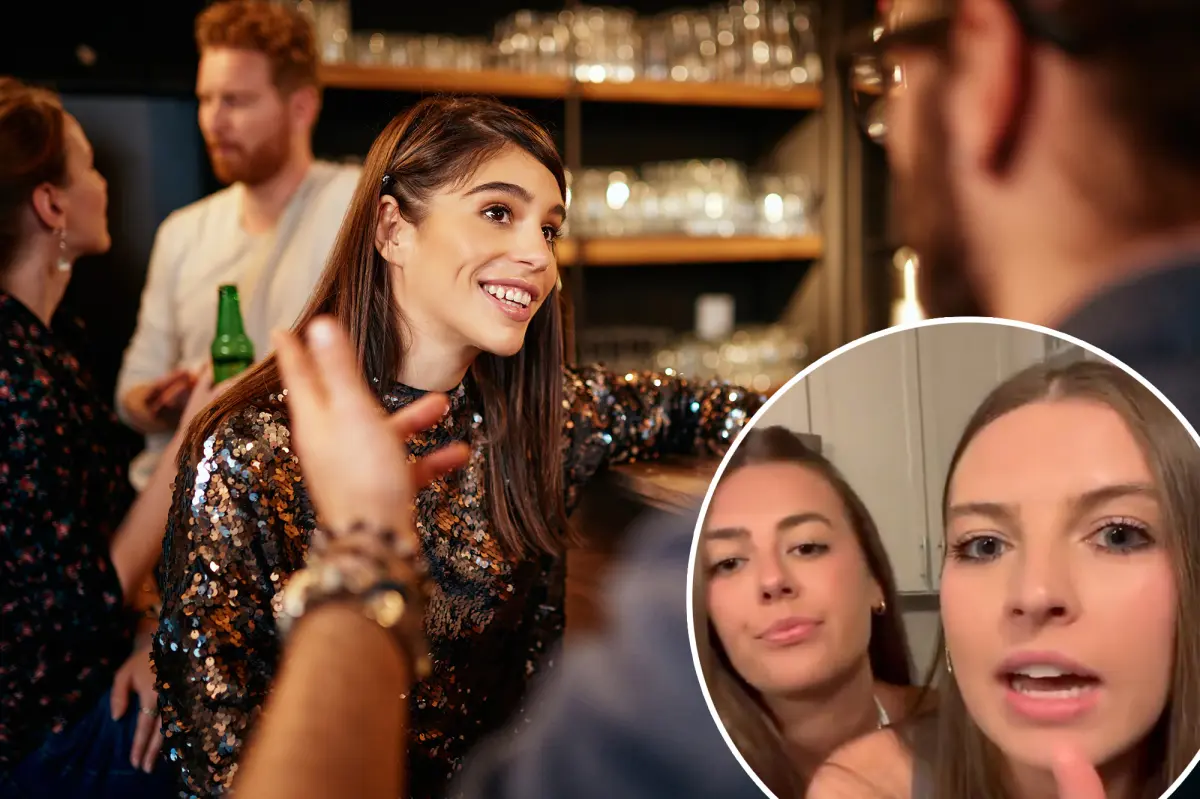
The contemporary landscape of dating, romance, and human intimacy has transformed into an unpredictable, often exhausting wilderness, characterized by a profound, collective weariness that cuts deeply across all demographics, particularly Gen Z and Millennials. Long gone are the effortless, cinematic encounters of yesteryear, when meeting a potential life partner was as simple as sharing a glance across a crowded room, striking up a conversation over a shared interest at a neighborhood bookstore, or locking eyes at a local pub. Instead, today’s frustrated singles find themselves trapped in an endless, soul-crushing cycle of digital disillusionment, swiping through infinite grids of highly curated faces on dating apps that feel more like gamified shopping catalogs than avenues for genuine connection, or spending exorbitant sums of money on professional matchmakers in a desperate, often futile bid to secure a traditional happily ever after. This widespread exasperation was recently thrust into the viral spotlight when two young, single women took to social media to voice their deep, unfiltered frustrations in a candid TikTok video. Originally posted by the account @therealwesaidwhatwesaid, the video was later deleted but remains highly active on X (formerly Twitter), where it continues to ignite a fierce global discussion about the death of organic flirting. In the recording, the women plead with their audience, asking a fundamental question that seems to speak for an entire generation of lonely hearts: “Where are you guys meeting these cute men?” Their video struck a raw, sensitive nerve because it highlighted a massive disconnect in our current social fabric—a reality where the traditional spaces for romance are empty, leaving hopeful romantics to wander through their social lives in a state of perpetual confusion, isolation, and unfulfilled desire. By calling attention to this absence of romantic opportunity, these women gave voice to a broader cultural anxiety about the future of human connection in an increasingly disconnected world.
This geographic and cultural shift in where romantic encounters are supposed to happen lies at the absolute center of the modern dating dilemma, highlighting the steady decline of traditional “third places” where communities used to gather naturally. In their viral video, the two creators lamented that while the bars they frequent every weekend are entirely barren of eligible, attractive men, they consistently spot highly appealing guys in daytime, health-conscious locations, such as local running clubs, gourmet bagel shops, and even the fluorescent corridors of their neighborhood grocery stores. Yet, they fiercely rejected the idea of using these mundane, daytime spaces for organic romantic approaches, with one of the women candidly complaining, “I don’t gotta talk to you at the grocery store.” For them, the bar remains the historic gold standard of social interaction—an established, low-stakes, nighttime environment specifically designed for letting one’s guard down, socializing over drinks, and actively welcoming romantic advances. The core issue, they pleaded, is that the men they find desirable seem to have abandoned the night altogether, choosing instead to channel their energy into morning routines, wellness trends, and healthy lifestyle activities. “Can y’all please start going out?” the duo begged, highlighting a painful social stalemate: gentlemen want to avoid causing discomfort in public, and women want to be approached in designated social zones like bars, yet they acknowledge that men are highly unlikely to make a move in a grocery store, a coffee shop, or a running club. This results in a frustrating, modern paradox where both genders are sharing the same physical spaces during the day but are utterly isolated from each other by unspoken rules of contemporary etiquette. By dismissing daytime encounters while complaining about the lack of nighttime options, these women highlight how modern daters are trapped by rigid expectations, unwilling to adapt to the new, healthier spaces where men actually choose to spend their time.
As expected, the viral video quickly triggered a massive, defensive backlash from men online, who rushed to the comments section to explain why they have systematically withdrawn from the traditional dating scene. The response was not merely defensive; it was a deluge of accumulated grievances that exposed a deep-seated resentment toward the high financial, social, and emotional costs of modern courtship. One male commenter argued that women have become increasingly hostile and dismissive toward men who attempt to strike up a conversation in public, suggesting that many women are “pretending not to understand” the cold, hostile environment they have helped create. Another major point of frustration centered on the economic reality of nightlife dating, with men expressing deep weariness over being viewed as financial instruments. They argued that they are no longer willing to spend hard-earned money buying expensive drinks or funding lavish dinners for women who have absolutely no intention of pursuing a genuine connection, view them merely as sources of entertainment, or treat them as a “free night out.” This financial fatigue, coupled with a growing sense that the dating landscape has become transactional and unforgiving, has led many men to conclude that the risk of approaching women at bars—where rejection is often public and harsh—is simply no longer worth the investment. By choosing to stay home or invest their time in solitary, low-cost hobbies, these men are staging a quiet boycott of a system they believe is stacked against them, preferring the peace of isolation over the high-cost gamble of a nightlife culture that feels increasingly exploitative. They argue that if women truly want men to return to these venues, there must be a cultural shift away from using men for financial gain and toward treating them with basic human decency, respect, and mutual interest from the very first interaction.
Beyond the financial strain and the simple fear of rejection lies a much more profound, psychologically damaging barrier that paralyzes today’s men: the persistent, terrifying fear of being labeled as “creepy” or socially branded as a threat. Over the past decade, a highly necessary and vital cultural conversation regarding consent, personal boundaries, and public safety has rightfully sought to protect women from harassment and make public spaces safer. However, an unintended consequence of this hyper-vigilance, especially among Gen Z and younger Millennial men, is the creation of a social climate where any uninvited male interest is treated with immediate suspicion. Today, the clumsy but well-meaning attempt to flirt or strike up a conversation in public can easily be recorded on a smartphone, uploaded to social media, and broadcast to millions of viewers as an example of “predatory” or “creepy” behavior. In this hyper-sensitive digital climate, the social cost of a failed approach has skyrocketed from a momentary, private embarrassment to the potential ruin of one’s reputation, career, and social standing. Consequently, many decent, well-meaning men have internalized the message that their presence is inherently intrusive, leading them to adopt a policy of total disengagement in public spaces. They choose to keep their heads down, wear noise-canceling headphones, and strictly mind their own business, concluding that it is far better to stay single and lonely than to risk making a woman uncomfortable or becoming the target of online public shaming. This fear of being misunderstood has effectively silenced a generation of men who would otherwise be eager to connect, creating a tragic divide where respect manifests as complete avoidance. The modern man finds himself walking on eggshells, hyper-aware that a single misread social cue could lead to social excommunication, making the gamble of public romance seem incredibly dangerous.
Providing a deeply human face to this silent demographic is Ryan Kessler, a 28-year-old cybersecurity analyst whose personal struggles perfectly illustrate the quiet tragedy of this generational divide. Despite harboring a sincere, traditional desire to eventually settle down with a special someone, walk down the aisle, and build a meaningful life together, Kessler admits that his face-to-face interactions with women are virtually nonexistent. For Kessler, this extreme caution is not born out of apathy, laziness, or a lack of interest, but rather out of a deep-seated sense of empathy, decency, and respect for women’s personal boundaries. “I never want to make the other person feel uncomfortable, and I want to be respectful,” Kessler explained to The Post, perfectly articulating the ethical gridlock that plagues so many well-intentioned young men in the modern era. He recognizes that women are often exhausted by unwanted attention and simply want to go about their daily lives in peace, so he actively chooses to err on the side of caution by not approaching them at all, even when he feels a spark of attraction. The heartbreaking irony of Kessler’s situation is that his very decency—his profound desire to be a safe, respectful, and non-threatening presence in society—is the exact reason he remains isolated. By prioritizing the comfort and safety of female strangers over his own human need for connection, he has effectively removed himself from the romantic arena, highlighting a deep societal loneliness where the most considerate individuals are often the ones left behind in complete silence. His story is a poignant reminder that the breakdown of dating is not caused by malicious men, but rather by good men who are pulling back out of respect, leaving dating apps as their only—and often failing—lifeline. The cybersecurity analyst’s reality is shared by millions of young men who are hyper-analytical about their social output, choosing isolation over intrusion.
Ultimately, this digital and cultural standoff reveals a profound, systemic breakdown in human connection that cannot be resolved by merely demanding that one gender “start going out” again. The modern dating crisis is a complex reflection of a fragmented society that has dismantled the old rules of engagement without establishing any clear, mutually agreed-upon guidelines to navigate the new social landscape. Women are left feeling lonely and abandoned, wishing for the return of brave, chivalrous gestures in traditional romantic spaces, while men are left feeling paralyzed, weary of hostility, and terrified of social ruin for simply trying to say hello. To bridge this immense chasm and breathe life back into the dying art of organic romance, both men and women must cultivate a deeper sense of mutual empathy, open communication, and vulnerability. Men need to receive reassuring, positive signals from society that polite, authentic interest is not an inherent offense, while women can help close the gap by showing greater accessibility, recognizing the high psychological cost of modern rejection, and occasionally taking the brave step to initiate contact themselves. Only by dismantling the prevailing culture of suspicion, moving past our defensive digital screens, and co-creating a new dating paradigm rooted in mutual safety, respect, and shared courage can we hope to transform our cold public spaces back into warm, fertile grounds for genuine love and lasting human connection. The future of romance hinges on our collective ability to extend grace to one another, recognizing that beneath the defensive posturing on social media lies a universal human desire to see and be seen, to love and be loved in return. If we fail to establish this middle ground, we risk drifting further into a hyper-isolated future where loneliness becomes the default state of being, and the beautiful, unpredictable magic of real-world love stories is lost forever to the digital void.