


The modern digital landscape of 2026 is defined by a silent, high-stakes collision between computational ambition and the absolute physical limits of our electrical infrastructure. As the global frenzy for artificial intelligence, massive language models, and high-performance computing accelerates, technology conglomerates are scouring the earth for the one resource they cannot simply program into existence: raw, reliable electricity. These gargantuan server warehouses, which form the physical backbone of our digital lives, hum night and day, devouring immense quantities of power while demanding an unwavering guarantee that the lights will never flicker. Unfortunately, the public utility grids built generations ago are choking under this sudden, unrelenting burden, forcing tech operators into a agonizing waiting game as traditional grid upgrades drag on for years. This severe bottleneck has spurred a quiet revolution among clean energy pioneers who realize that solving the world’s digital growth problem requires a creative, human-centric redesign of how we store and deploy energy. Seattle-based startup Electric Era is stepping directly into this breach, stepping away from the highway rest stops of their origin story to bring their advanced battery management expertise to the rescue of overloaded, desperate data centers.
The transition from charging cars to powering the cloud might seem like a leap, but to the engineers at Electric Era, the fundamental physical challeges are remarkably identical. Founded in 2019 by chief executive officer Quincy Lee and a passionate team of technical visionaries, the company spent its formative years solving the unpredictable, volatile spikes in power demand that occur when electric vehicles plug into ultra-fast highway charging stations. This roadside experience taught them a vital lesson about human behavior and electrical loads: power demands are brief, violent rushes rather than smooth, predictable rivers of current. To prevent local grids from collapsing under the strain of multiple cars charging at once, the company built a proprietary, highly sophisticated software platform designed to manage and smooth out those sudden surges using on-site battery storage systems. By recognizing that a server farm processing complex artificial intelligence workloads experiences the exact same sudden, massive spikes in electricity demand as a bustling highway charging depot, Electric Era realized their battery-management “brain” was uniquely equipped to solve the digital world’s most pressing infrastructure nightmare.
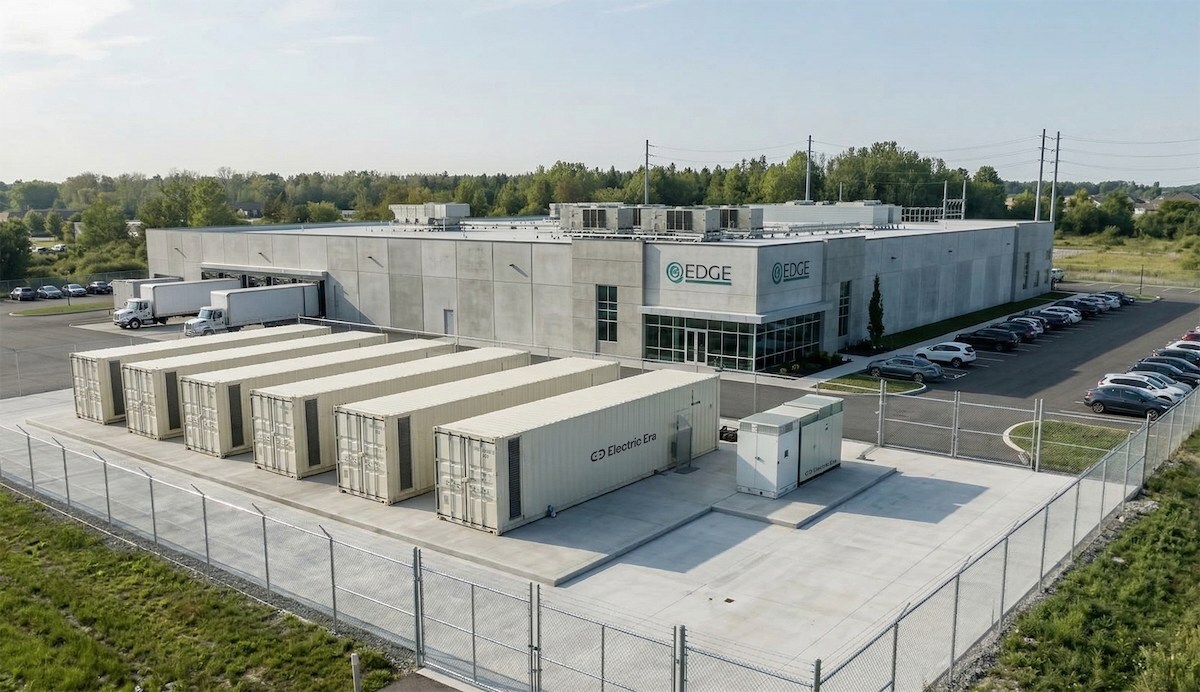
This realization inspired the creation of the CoPower Platform, a robust, site-ready energy storage system designed to act as a massive buffer between volatile data centers and the struggling power grid. Built using dense, high-performance battery cells sourced from industry leader LG Energy Solution, the CoPower system is engineered as a physical construction block of 2.5-megawatt modular components that can be linked together to create massive arrays capable of storing and discharging well over 100 megawatts of electricity. The true magic of this system, however, lies in its speed of deployment, bypassing the stifling bureaucracy of utility companies to get up and running in a fraction of the time. While traditional utility substation upgrades and grid interconnections can easily stretch into agonizing five-to-seven-year waiting periods, Electric Era can design, install, and activate a CoPower installation in a mere 12 to 18 months. This radical timeline shift means that data center operators can rapidly pivot from turning away lucrative customers to capturing immediate revenue and scaling their operations, turning a years-long headache into a brief construction project.
To make this technology accessible to tech companies already spending billions of dollars on microchips and physical real estate, Electric Era is introducing the CoPower Platform through a collaborative, low-friction financial model known as a Power Purchase Agreement (PPA). Under this human-friendly structure, the startup removes the daunting, multimillion-dollar upfront capital costs of energy storage by financing, building, owning, and maintaining the actual battery installations themselves. In return, the data center operators simply sign a long-term agreement to buy the stored energy at a predictable, pre-negotiated rate, protecting them from the wildly fluctuating pricing of the open electricity market. This practical business arrangement is made possible by a vast network of alliances, including a collaborative partnership with McKinstry and other veteran energy infrastructure firms for the actual engineering and installation. Furthermore, the financial feasibility of these large-scale deployments is anchored by a non-binding term sheet with Macquarie Asset Management, a global financial giant whose interest signals that private capital is eager to fund the physical bridge between our green energy future and our digital present.
While Electric Era is bringing a uniquely practical, software-first perspective to the grid crisis, they are entering a crowded and competitive arena filled with well-funded rivals. Established industrial heavyweights and specialized energy storage players like Schneider Electric, Saft, EnerSys, FlexGen, and Calibrant Energy are all racing to deploy their own hardware to capture a share of the booming data center market. Yet, Electric Era’s secret weapon is the trial-by-fire experience they acquired on the concrete of the highway system, where their technology has been proven in real-world, high-traffic conditions. Currently ranked at number 169 on the GeekWire 200 index of the Pacific Northwest’s top startups, the company has raised $30 million in private venture funding alongside an impressive $48 million in non-dilutive government grants. This hard-won credibility was recently bolstered by a prestigious $5.05 million grant from the National Electric Vehicle Infrastructure (NEVI) Program, earmarked to build six new highway fast-charging stations across Washington state, bringing their total operational footprint to 30 active locations.
Ultimately, the launch of the CoPower Platform represents more than just a clever startup pivot; it is a profound testament to how human ingenuity can adapt to meet the physical crises of our time. By helping data center operators bypass gridlock, Quincy Lee and his team are proving that the digital future does not have to come at the expense of our physical communities, nor does it require us to wait decades for centralized utility grids to catch up. This localized, intelligent approach to energy storage behaves like a digital shock absorber, allowing our society to embrace the incredible promises of the artificial intelligence revolution while simultaneously preserving the integrity of our shared power grid. As Electric Era moves forward, their journey serves as an inspiring blueprint for a more resilient world, showing that with the right combination of software, batteries, and human-centric design, we can build a future where technological growth and ecological responsibility can comfortably live side-by-side.