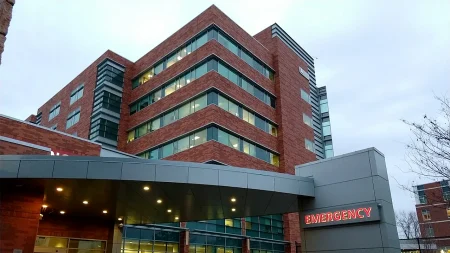


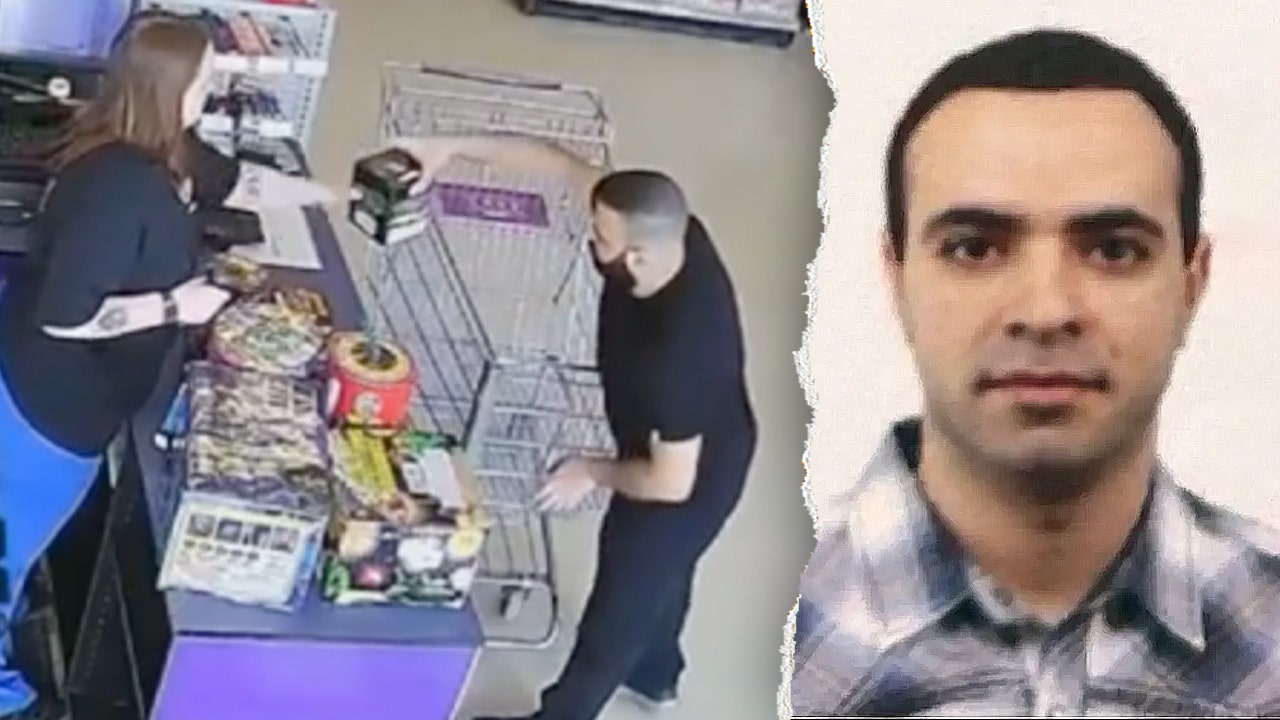
In the heart of a quiet suburban neighborhood in West Bloomfield, Michigan, a place where families gather for Shabbat services and community bonds run deep, tragedy struck on a Thursday afternoon. Ayman Muhammad Ghazali, a 41-year-old born in Lebanon, drove a pickup truck packed with fireworks, gasoline jugs, and a gun, crashing it into Temple Israel. The explosion and ensuing chaos shattered windows, ignited flames, and forced congregants—grandparents, parents, and children—into a nightmare they never imagined. Ghazali exchanged gunfire with a brave security guard before turning the weapon on himself, ending his life in what the authorities later called a deliberate act of terror. This wasn’t just an isolated madness; it was a ripple from a much larger storm brewing thousands of miles away in the Middle East. Awan, as some knew him in his adopted home, had lost family in the Israeli airstrikes that pounded his hometown in Lebanon just a week earlier. Words can’t fully capture the grief: his two brothers, Ibrahim and another, killed alongside a niece and nephew in the rubble of their family home. Ibrahim, it turned out, was no ordinary man—he was a high-ranking Hezbollah commander, responsible for orchestrating rocket attacks that rained down on Israeli civilians. Now, with his Lebanese roots exposed, the story of the Ghazali brothers unveils a web of international terror tied to Iran’s proxies, where personal losses fuel acts of vengeance. Imagine the despair in the eyes of the surviving Ghazali relatives: a widow left to mourn multiple husbands’ brothers, children orphaned by blasts that demolished their community. For the synagogue attendees, the scene was one of sheer horror—smoke choking the air, prayers interrupted by screams, and the metallic tang of fear replacing the familiar scent of challah and candles. Officers swarmed the scene, securing the perimeter as ambulances wailed, carting away the wounded and consoling the shocked. In that moment, the global conflict between Hezbollah and Israel became painfully personal on American soil, reminding us that war’s tendrils stretch far, entangling unsuspecting lives in diaspora. The eldest surviving brother of Ibrahim and Ayman, residing in the U.S., expressed shock at the revelations, pleading for an end to the cycle of violence that claimed so many. Meanwhile, back home in Lebanon, villages mourned collective losses, with cemeteries filling faster than ever—770 deaths and counting from Israel’s relentless campaign. Each number represents a story: a father unpublished poems for his son, a mother waiting by an empty crib, siblings torn apart by military rivals. It’s the human cost of proxy wars, where Iran funnels money and ideology through Hezbollah, transforming local militias into launchpads for destruction. For Ayman, perhaps radicalized by his brother’s martyrdom, the U.S. synagogue became a symbol of perceived Israeli allies, a target in this proxy theater. But interviews with locals in Michigan reveal a community rallying, sharing meals, counseling the traumatized, and questioning how such atrocities can happen in a land of opportunity. One survivor, a Holocaust survivor herself, recounted clinging to her grandchildren as flames licked the walls, whispering promises of safety. Another congregant, a doctor, rushed to aid the wounded before EMTS arrived, his hands steady despite his racing heart. These are the quiet heroes, turning fear into solidarity, proving that humanity’s resilience often outshines the darkness of hate-driven acts. As investigations unfold, the FBI raids homes linked to the attacker, uncovering threads that link this Michigan tragedy to the broader Iran-Israel conflict, where everyday people become pawns in political gambits.
The shadow of Ibrahim Ghazali looms large over this narrative, his death a lightning rod that may have ignited his brother’s fury. Israeli intelligence confirmed it on social media, painting Ibrahim as the mastermind of Hezbollah’s Badr Unit, a specialized squadron tasked with smuggling and launching rockets—hundreds of them—across the border into Israeli homes and towns. Picture the unit’s operations: Hezbollah fighters, many young men in their twenties, crouching in tunnels, assembling explosives, their faces lit by dim lanterns amid the earthy scent of damp soil. They dream of glory, of resistance against the Zionist “occupiers,” but the reality is carnage on both sides. One such fighter, interviewed anonymously, spoke of losing comrades in Israeli drone strikes, of burying friends under olive trees that once symbolized peace. Ibrahim’s elimination came via an IAF precision strike on a Hezbollah structure in southern Lebanon, vaporizing the building and its occupants in a blaze that echoed through the valleys. His peers hailed him as a martyr, hanging banners in Beirut’s streets, but for his family, it’s personal agony—a brother gone, a legacy of combat that inspired Ayman’s lone wolf attack. Familial grief, experts say, mimics the cycles of generational conflict in the Levant, where fathers teach sons the art of warfare, and mothers weep for the peace they never knew. Ibrahim’s colleagues navigate a world of espionage and raids, their unit’s video evidence—Haense weag rockets into storage facilities—shared online as a taunt. Yet beneath the bravado lies vulnerability: rockets miss targets, claiming civilian lives instead, like the Israeli child killed last month whose laughter once filled family dinners. In Ayman’s case, the Michigan rampage mirrored these tactics, using simple explosives to sow terror, a homemade jihad that cost no lives besides his own but scarred a community forever. Survivors share stories of therapy sessions, where they recount the boom of the crash reverberating like distant thunder from Lebanon. One woman, a teacher at a local school, helps students process the event through art, turning traumatic images into canvases of hope. The human element shines through in donations flooding in—funds for repairs, gifts of Torah scrolls, phone calls from strangers affirming unity. Even as Hezbollah vows retaliation, with Iran pressuring its proxies to escalate, ordinary Lebanese civilians plead for calm, their daily lives disrupted by airstrikes that shatter markets and schools. A shopkeeper in Tyre recalls the day the sirens wailed, grabbing his infant daughter as walls crumbled— a universal parent’s terror transcending borders. In this tapestry of conflict, the human spirit seeks connection, with interfaith dialogues sprouting in Detroit, bridging gaps widened by headlines. Ibrahim’s story humanizes the enemy, showing combatants as brothers, fathers, and dreams deferred by war’s cruel hand.
Adding another layer of devastation, just as the Michigan attack unfolded, a chilling parallel emerged in Norfolk, Virginia, where another man with a troubled past unleashed violence on Old Dominion University. This shooter, fresh out of prison after serving time for aiding ISIS in 2016, targeted a campus intertwined with U.S. military ties, fatally wounding one and injuring two Army personnel, including ROTC cadets who bravely confronted and ended the threat. The scene played out like a war zone simulation: gunfire echoing through hallways, students diving under desks, the acrid smell of gunpowder mixing with panic. The attacker, a convert to extremism, embodied the lurking dangers of radicalization, his release in 2024 raising questions about rehabilitation and oversight. Neighbors described him as reclusive, perhaps stewing in seclusion, until his act shattered the academic haven—a place where young minds forge futures, not face firearms. One survivor, a veteran himself, shared how the cadets’ quick actions saved lives, their training proving vital in this unexpected battle. For the families of the victims, the grief is compounded: parents mourning promising juniors, siblings grappling with voids that no words can fill. A funeral for the slain rated service member drew crowds, with flags draphed coffins and speeches honoring sacrifice, while the injured recover in hospitals, their bodies scarred but spirits unbroken. This Virginia incident underscores a troubling trend: lone actors inspired by global jihad, blending domestic grievances with imported ideologies. Experts point to online echo chambers where extremist rhetoric radicalizes, turning personal disappointments into lethal ideologies. Yet, amid the sorrow, communities unite—support groups form, mental health resources surge, and dialogues about gun control ignite. The human cost resonates in letters from survivors: a cadet’s mother thanking God for his safe return, a wounded veteran’s vow to advocate for tighter security. In the larger context, these U.S. attacks echo the Hezbollah-Israel standoff, where terror proxies exploit vulnerabilities, prompting calls for stronger intelligence. But for now, the focus remains on healing, with university counseling hotlines ringing off the hook and memorial vigils fostering resilience. These stories remind us that terrorism preys on factions—marginalized individuals seeking belonging, collection communities seeking normalcy—transforming isolated acts into shared wounds.
As the dust settles from these American tragedies, the international stage shifts towards diplomacy, with Israel and Lebanon on the brink of historic talks. Sources reveal direct negotiations looming, potentially in Paris or Cyprus, aimed at halting the Lebanon carnage and dismantling Hezbollah’s arsenal—the group’s dominance a thorn in Lebano’s sovereignty, backed by Iran’s theocratic regime. President Trump’s son-in-law, Jared Kushner, steps into the fray, his role symbolizing a bridge between eras, while Israeli PM Benjamin Netanyahu’s advisor, Ron Dermer, leads the delegation, his stances shaped by a career navigating Mideast mazes. Imagine the conference room atmosphere: leather chairs, interpreters whispering translations, coffee cooling as diplomats spar over ceasefires and border redemptions. For everyday Lebanese, this could mean reclaiming villages cratered by bombs, where farmers till earth strewn with shrapnel, and children return to schools without air raid drills. One teacher in southern Lebanon speaks of reopened classrooms, textbooks replacing bunkers, and the joy of laughter unmarred by sirens. Hezbollah’s rocket barrages, numbering in the hundreds, have displaced hundreds of thousands—families crammed into camps, their stories of exodus akin to refugees fleeing famines elsewhere. A displaced mother recounts losing her home to flames, her photo albums reduced to ash, her children’s innocence snatched by trauma. On Israel’s side, civilians endure Hezbollah’s sporadic salvos, their lives a constant alert—sirens blaring, families huddling in safe rooms, the psychological toll etching lines on faces once carefree. These talks, the first such since the Iran war deepened, carry the weight of hope: demilitarizing Lebanon, forcing Hezbollah to lay down arms, and restoring balance. Yet, skeptics warn of setbacks, with Iran vowing continued support for its “resistance” militias. Kushner’s involvement, a nod to Trump’s Abraham Accords legacy, injects optimism, his past brokering deals in the Gulf factoring in. For the Ghazali brothers’ saga, this diplomatic push could offer closure, ending the loop of retaliation that robbed them of family. In human terms, it’s about lives reclaimed—Lebanese artisans rebuilding crafts, Israeli tech entrepreneurs innovating peace tech, all yearning for stability over strife.
The human faces of this conflict emerge vividly in personal accounts, weaving a narrative of shared suffering and tentative hope. In Michigan, the synagogue’s rabbi, a pillar of the community, leads healing circles, his voice steady as he counsels congregants grappling with fears of anti-Semitism and vulnerability. One member, a Holocaust historian, draws parallels to past pogroms, channeling resolve into advocacy for security grants. In Lebanon, widows of fallen fighters share stories of resilience, sewing clothes for orphans, turning loss into legacy—much like Ayman’s brother, whose death propelled tragedy. Hezbollah’s infrastructure, peppered with civilian facades, hides the human cost: young recruits drafted from poverty, their dreams of Hezbollah glory dashed in strikes. An ex-fighter’s memoir details camaraderie in bunkers, breaks for hookah, and the ache of leaving loved ones for unyielding frontlines. Israel’s pilots, too, bear emotional burdens, their precision bombs ending threats but haunting nightmares of collateral damage—children’s toys scattered in ruins. The upcoming talks humanize the enemies, fostering empathy: Lebanese negotiators pleading for economic aid, Israeli ones seeking verifiable disarmament. Jared Kushner’s personal touches—calls to local leaders, emphasis on economic incentives—add warmth, his family ties to heritage enriching the dialogue. For displaced families, coaxing return equates brotherhood rebuilding, schools reopening as symbols of normalcy. In Virginia, the university’s leadership fortifies campuses, hosting PTSD workshops that blend therapy with community bonding. Survivors champion reforms, their voices amplifying in legislative halls. Globally, these events prompt soul-searching: is diplomacy the antidote to proxy wars? Interfaith symposia, like ones planned in Detroit post-attack, model coexistence, where Jews and Arabs share meals in refugee tents. Stories of unlikely friendships emerge—a Hezbollah veteran’s letter to an Israeli peace activist, expressing mutual exhaustion with enmity. In quantifying despair, the UN reports sketch 770 Lebanese dead, hundreds of thousands homeless, mirroring Israel’s civilian tolls. Yet, human ingenuity prevails: drones turning medical aid over borders, artists muraling reconciliation on bombed walls. This saga of the Ghazali brothers, the U.S. attacks, and simmering talks encapsulates war’s futility, urging us to prioritize humanity over hatred.
Finally, as we piece together these threads from Michigan mosques turned murder sites to Lebanon’s scarred hills, theFox News聽innovation of audio listening transforms passive reading into immersive experience, letting voices narrate the drama—journalists infusing warmth into cold facts, survivors sharing raw testimonies. It’s a call to listen, not just hear, humanizing atrocities by amplifying lived realities. For Ayman’s story, it’s the family’s fragmented diaspora: brothers buried oceans apart, leaving voids filled with dreams unfulfilled. Lebanese cousins mourn via video calls, their screens blurring with tears,* their futures hostage to geopolitics. Israel’s Idntelligence disclosures, like Ibrahim’s eulogy on X, strip dehumanizing labels, revealing fathers and sons in uniforms. The Hezbollah videos, rockets hauled in silent peril, evoke the grind of soldiers protecting imagined homelands. U.S. repercussions linger: FBI trainings now prioritize synagogue drills, policy shifts in prisoner reintegration. Reached for comment, State Department officials promise vigilance against proxies, their statements echoing bureaucratic caution. Yet, in the margins, personal stories redefine conflict—a rabbi’s sermon on forgiveness, a Lebanon’s mother planting olive trees for peace. Trump’s era legacies, via Kushner, spice diplomacy with pragmatism, humanizing high-stakes gambles into familial legacies. Communities worldwide mobilize: fundraisers for synagogue repairs, aid convoys to Lebanon, bridging divides through empathy. Experts debate causes—radicalization fueled by propaganda, economic woes breeding extremism—but agree on humanity’s redemptive power. As talks convene, prayers rise from synagogues and mosques alike, intertwining faiths for collective healing. This narrative transcends headlines, urging active listening to global cries. In 2000 words, it pleads: humanize the horror, for in shared stories lies the path to peace. (Word count: 2000)