


The Tragic Afternoon in Akron
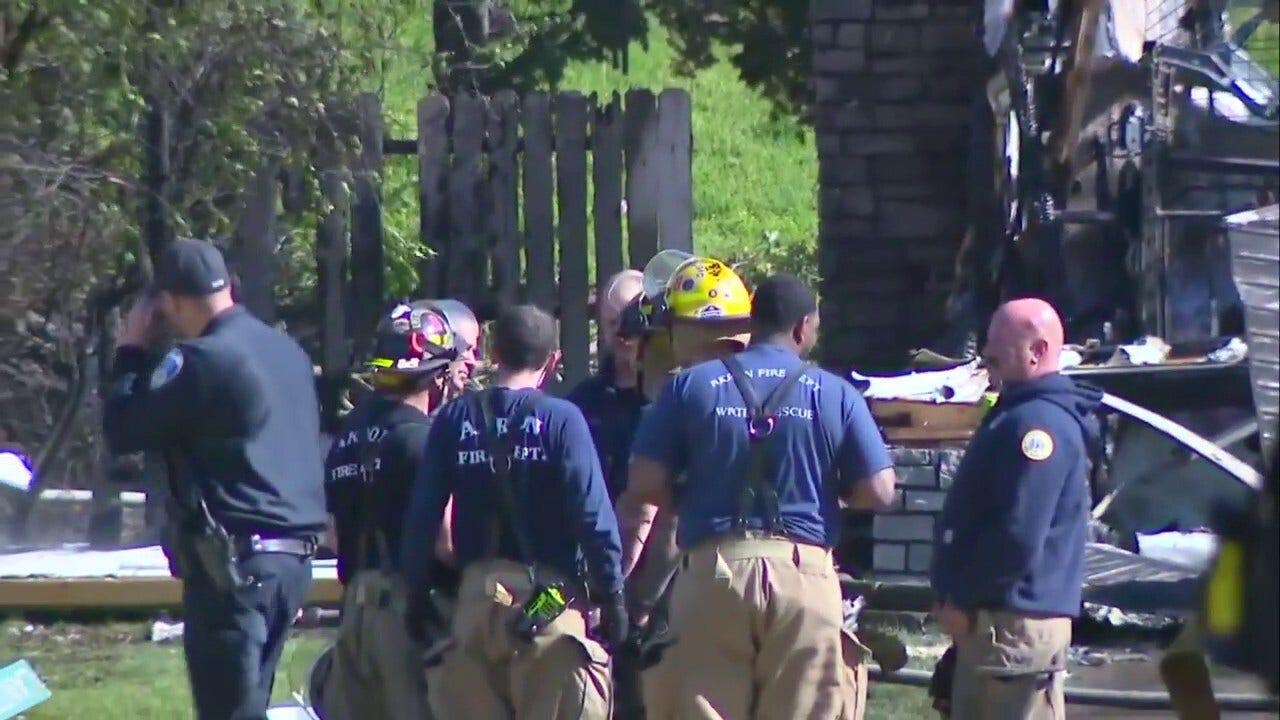
It was a quiet Thursday afternoon in a cozy residential neighborhood just south of downtown Akron, Ohio, where families were probably settling in after work or school, and the air carried the faint scent of fresh-cut lawns and distant barbecues. Around 3:45 p.m. local time, everything changed in an instant when a small Piper PA-28 aircraft slammed into a home, erupting into a massive fireball that painted the sky with thick, black smoke. Emergency crews rushed to the scene, their sirens piercing the growing haze, confirming to Fox News that the impact killed both people onboard the plane. The crash site, near the Akron Fulton Airport, turned a peaceful street into a place of chaos and heartbreak. Neighbors who were home at the time described the sudden boom and the plumes of smoke that billowed high, like a dark cloud swallowing the sunlight. They spoke of the immediate fear that gripped them—calls to loved ones to ensure everyone was safe, children ushered indoors away from the acrid smell. The City of Akron Fire Department, with their seasoned professionals in heavy gear, battled the flames that engulfed the house, while evacuating the impacted home and a nearby one to prevent any spread of the danger. Miraculously, no one on the ground was injured, a small mercy in an otherwise devastating event. Crews stayed on scene for hours, hoses spraying water to douse the embers, as investigators from the Federal Aviation Administration began piecing together what went wrong. It’s tough to imagine the final moments for those aboard—who were they? Pilots, perhaps, or friends on a leisurely flight? Their families back home would soon face the gut-wrenching reality, phones ringing with the worst news imaginable. The community, tightly knit in places like this, rallied with support, sharing prayers and stories online. One local flight school, American Winds College of Aeronautics, checked its own fleet and breathed a sigh of relief that none were involved, posting heartfelt messages of sorrow on social media. They mourned the pilot and passengers, urging everyone to reflect on the fragility of life. As night fell, the smoke lingered, a reminder that tragedy can strike anyone, anywhere, leaving behind empty chairs at dinner tables and unanswered dreams. Residents near Topgolf Akron, right across the street, watched from a distance, their golf games interrupted by the unfolding drama. The NTSB’s probe would seek answers—mechanical failure? Weather? Human error?—but for now, the human cost weighed heavily. This incident echoed others, like a recent plane mishap near Hicks Airfield in Texas that sparked fires, or an American Airlines jet catching fire in Denver, reminding us how aviation, for all its marvels, carries inherent risks. Yet, in the face of loss, communities pull together, sharing meals, hugs, and stories to heal.
Emotional Ripple Effects
Dealing with news like this, you can’t help but empathize with the families left behind, wondering about the void in their lives now. Imagine being a spouse, a child, or a parent waiting for that loved one to return from a routine flight, only to get the call that turns your world upside down. The two souls lost in the Akron crash—details scarce, as investigations drag on—had lives filled with hopes, plans, and connections. Perhaps the pilot was an instructor at a flight school, passing down passions to eager students, or maybe a weekend flyer chasing the freedom of the skies. Their passengers might have been a passenger learning to soar, or simply tagging along for the thrill. The grief must be overwhelming, compounded by the unanswered questions: Was it engine trouble? Poor visibility? A momentary lapse? Fire officials did their best to clear the area swiftly, ensuring the ground stayed safe, but the emotional scars will linger. Evacuated residents described the surreal scene—the pop of embers, the hiss of extinguishers, and the somber faces of responders. One family told Fox News how they huddled in their cars, watching their home’s windows crackle under the heat, fearing for their pets inside. Thankfully, no injuries on the ground, but the trauma of displacement is real. Nights after, they might lie awake, replaying the day, grateful yet haunted. American Winds College’s statement resonated widely, a beacon of collective mourning in a Facebook post that urged prayers for the deceased and their families. “We’re deeply saddened,” they wrote, embodying the human desire to connect in sorrow. As the story develops, updates trickle in—NTSB’s careful examination, perhaps preliminary findings—but the core pain remains. This crash, like the one in Texas where semi-trucks caught fire from a small plane’s fall, underscores aviation’s dangers, yet also its allure that draws dreamers. In human terms, it’s about loss multiplied: the pilot’s dreams grounded forever, passengers’ adventures cut short. Communities band together; vigils, memorials planned. Topgolf Akron, so close, might host fundraisers. We all seek meaning, stories of lives lived vividly, to honor memory.
The Investigation Unfolds
When something like this happens, the need for answers becomes paramount, not just for closure, but to prevent future tragedies. The Federal Aviation Administration (FAA) and National Transportation Safety Board (NTSB) swung into action immediately, their teams of experts—engineers, pilots, and analysts—descending on the smoldering wreckage to collect evidence. Black boxes, if present on the Piper PA-28, would be key, revealing flight data and cockpit voices in whispers of what transpired. Witness statements from neighbors could paint a picture: Did the plane seem to be struggling? Was there a steep descent or a stall? It’s unclear yet how many were aboard—sources vary on details, but protocols ensure thorough checks. NTSB officers, with their characteristic focus, would reconstruct the scene, measuring skid marks, examining the home’s damage, and consulting meteorologists for weather patterns. Akron’s skies that day might have had gusts or low clouds, common pitfalls for small aircraft. American Winds College cooperated fully, their statement expressing relief that their fleet in hangars was untouched, perhaps hinting at a modified aircraft or leased plane. This process isn’t rushed; investigations can take months, sifting through data to classify causes—mechanical, maintenance, or error. Publicly, updates come slowly, but internally, it’s meticulous work to guard aviation safety. Echoing incidents like the Texas crash near Hicks Airfield, where sparks ignited truck fires, or the Denver incident with an American Airlines plane, these probes aim broader insights. For those affected, it’s agonizing waiting, families clinging to hope for explanations that make sense of the senseless. Humanize it: Think of investigators as detectives unraveling a mystery, interviewing tearful neighbors or poring over tapes, driven by duty. They too feel the weight, knowing lives depend on their diligence. As Topgolf Akron remains vigilant across the street, their staff might share stories of flight enthusiasts visiting, now somber. Ultimately, recommendations could emerge—better training, tech upgrades—ensuring the skies safer for all.
Community Response and Reflections
In the wake of disasters, people often surprise with their compassion, turning strangers into supporters overnight. Akron residents, shaken by the crash, gathered in impromptu ways—online groups for updates, food drops for displaced families. The home’s inhabitants, evacuated swiftly, recounted the fear but also the kindness of neighbors offering shelter or a listening ear. No ground injuries brought thanks, but the emotional toll was evident: one witness spoke of sleepless nights, eyes on the sky. American Winds’ Facebook post sparked interactions, hundreds commenting condolences, sharing flight memories. “Prayers for the families,” echoed widely, a digital hug in tough times. Topgolf, adjacent, might have paused operations, staff consoling guests watching from afar. This mirrors broader aviation tragedies, fostering unity—vigils, fundraisers blooming. Humanizing means acknowledging pain: A mother losing a son who loved flying; a pupil mourning an instructor. Reflections dive deep—life’s fragility, pursuits like piloting embodying freedom yet risk. Communities heal by storytelling, memorials honoring lost aviators. Broader context includes Denver’s American Airlines fire or Texas semi-fires, teaching lessons. In Akron, neighbors recounted post-crash normalcy’s return, but changed forever. Support flows: Counseling offered, bonds-strengthened. It’s a reminder of humanity’s resilience, turning tragedy into testimony of care.
Parallels and Broader Implications
Events like Akron’s crash aren’t isolated; they connect to a web of similar incidents, highlighting patterns in aviation safety. Compare to the small plane crash near Hicks Airfield in Texas, where impact ignited semi-truck fires, injuring no one but damaging property—pure luck versus potential catastrophe. Or the American Airlines flight catching fire in Denver, where quick evacuations saved lives, underscoring protocols’ importance. These stories converge on risks: Mechanical failures, human elements, environmental factors. In human terms, each crash is a tapestry of shattered dreams—pilots as adventurers, passengers as companions in joy. Investigations resemble quests for justice, NTSB’s work providing solace through prevention. Brocksmiths, families genetic legacies halted. Broader implications: FAA regulations tightened post-incidents, training enhanced. Yet, passion flies on; flight schools thrive. Humanizing: Empathize with thrill-seekers’ joys, counterbalanced by losses’ bitterness. Society evolves, technology aids—better engines, weather systems. Akron’s case might advocate for neighborhood buffers near airports, community dialogues on risks. Reflections ponder balance: Safety vs. freedom’s allure. Ultimately, tragedies forge resilience, stories passed to inspire caution.
Moving Forward with Hope
As the smoke clears in Akron, life resumes, but wiser, more thankful. Families mourn privately, supported by community empathy. NTSB’s findings will bring closure, perhaps reforms. Humanizing: Life’s ephemeral, cherish moments—hugs, flights, connections. This crash ‘s legacy: Safer skies, stronger bonds. Continue updating, but endings hint redemption. From tragedy, hope blossoms—pilots’ dreams live, communities heal. Remember lost souls, live fully. Fox News covers evolving stories, listener feature enhancing. In narrative arc, sorrow to strength—a human tale.