


A Tense Night in the City: Two Young Lives Collide with Terror
It’s eerily quiet in the suburbs of Bucks County, Pennsylvania, where Emir Balat and Ibrahim Kayumi grew up as ordinary young men in their late teens. Emir, just 18, and Ibrahim, 19, had the kind of unremarkable backgrounds that make a story like this hit home: quiet towns, possible family pressures, and now, according to authorities, a radical turn toward extremism. On March 7, these two drove into the heart of New York City, not for a day of sightseeing or ambition, but armed with what police describe as homemade improvised explosive devices (IEDs)—bombs cobbled together with explosives, shrapnel, and a volatile compound known as TATP. Their target? A protest unfolding outside Gracie Mansion, the home of New York City’s mayor. As the FBI later revealed, they were supporters of ISIS, the notorious terrorist group. Imagine the weight on these young shoulders: one moment, they’re planning an attack bigger than the Boston Marathon bombing, as prosecutors allege, and the next, their bombs fizzle out harmlessly, smoking but not exploding. It saved lives, but it unraveled theirs. The event started with a peaceful purchase that seemed innocuous at the time—surveillance video from just days earlier shows Emir buying a 20-foot roll of fireworks fuse from a local shop, Phantom Fireworks in Penndel, for less than $7. He paid cash, chatted briefly, and left. But context makes it chilling: this was just 48 hours after U.S.-Israeli airstrikes killed Iranian leaders, including Ayatollah Khamenei. Did that spark something in him? The fuse matched what police later found in their vehicle. These were not hardened terrorists; they were kids who, somewhere along the way, got pulled into a dark ideology that glorified violence against “the enemy.” Walking through New York that day, they carried pipe bombs filled with metal and glass shards, ready to unleash chaos on protesters and cops. Yet the devices failed—perhaps a blessing in disguise for everyone involved, preventing what could have been a bloody scene amid clashing demonstrators. It’s a stark reminder of how close terror can come to exploding in everyday American streets, turning a routine protest into a potential massacre. As the story unfolds, one can’t help but wonder about the paths these young men took—from suburban Pennsylvania to the edge of a deadly act. Were they radicalized online, as Ibrahim reportedly admitted, watching ISIS videos that fed into a twisted sense of purpose? Their actions echo tragedies like Paris or Orlando, but here, in the city that never sleeps, it felt personal— a failed plot that exposed the vulnerability of public spaces and the fragility of young minds swayed by hate. Authorities paint them as dangerous, but humanizing this means acknowledging they weren’t monsters from birth; something—or someone—pushed them toward embracing violence as a way to “fight back.” The aftermath would reveal more, with explosives residue found and confessions of allegiance scrawled in custody. For the officers who tackled them, heroes like NYPD Chief Aaron Edwards and Sgt. Luis Navarro, it was a close call that earned commendations. For the protesters, oblivious until the smoke, it was a rude awakening to the world’s dangers encroaching on their rally. This incident, while thwarted, underscores how extremism doesn’t discriminate—it can infect anyone, even two young men from the heartland, plotting destruction in the name of a foreign terror group.
Preparation and Radicalization: The Fuse of Anger Ignites
Delving deeper into Emir Balat and Ibrahim Kayumi’s journey, it’s hard not to feel a pang of sorrow mixed with outrage. These were not lifelong jihadists; their radicalization appears to have been recent, fueled by events that simmered beneath the surface of global tensions. Coincidentally, Emir’s purchase of that fuse on March 2 came right on the heels of America’s military strikes in Iran, killing figures like Ayatollah Khamenei—a move that enraged many in extremist circles. Was that the tipping point for them? Prosecutors suggest their plot was meant to be “bigger than the Boston Marathon bombing,” envisioning a spectacle of death that would echo through the ages. Picture them in a cluttered garage or storage unit back in Pennsylvania, piecing together bombs like hobbyists gone wrong. They chose TATP, a highly unstable explosive famous (or infamous) for its use in past attacks—it’s cheap, easy to make with household chemicals, but dangerously unpredictable, which is why their devices failed spectacularly on that fateful Saturday. Perhaps they tested it beforehand, dreaming of martyrdom, only to have the compounds degrade or the fuses burn out prematurely. Humanizing this means recognizing the allure of radical ideology: for disenfranchised youth, ISIS propaganda might promise belonging, purpose, and revenge against perceived injustices. Ibrahim, according to his own words to police, watched those videos on his phone, letting the graphic calls to violence seep in. Emir, meanwhile, scribbled pledges of allegiance post-arrest, calling non-Muslims “kuffar” and invoking Allah. These aren’t just acts of terror; they’re cries from troubled souls seeking validation in a violent worldview. Back home in Bucks County, their families probably noticed changes—sudden flights to New York, secretive behaviors—but did they intervene? Mysterious calls from Ibrahim’s house to authorities hours after the arrests suggest panic or denial, with multiple dials to police as if seeking help. What drove these boys to cross state lines, bombs in tow, to disrupt a protest? It’s a question for psychologists, but at its core, it’s about disillusionment. In our interconnected world, one tweet or video can twist ordinary angst into deadly intent. Their vehicle, traced to Emir’s relatives, sat parked near Gracie Mansion, loaded with more explosives and notes referencing TATP—a chilling breadcrumb trail. As investigators pieced it together, they realized this wasn’t impulsive; it was planned, inspired by ISIS’s online sermons that make slaughter seem heroic. For Emir and Ibrahim, arrested on the spot, the reality crashed down: from bombers to suspects, their lives hanging in the balance over a botched attempt that could have shattered families and altered history.
Clashing Protests and the Moment of Crisis
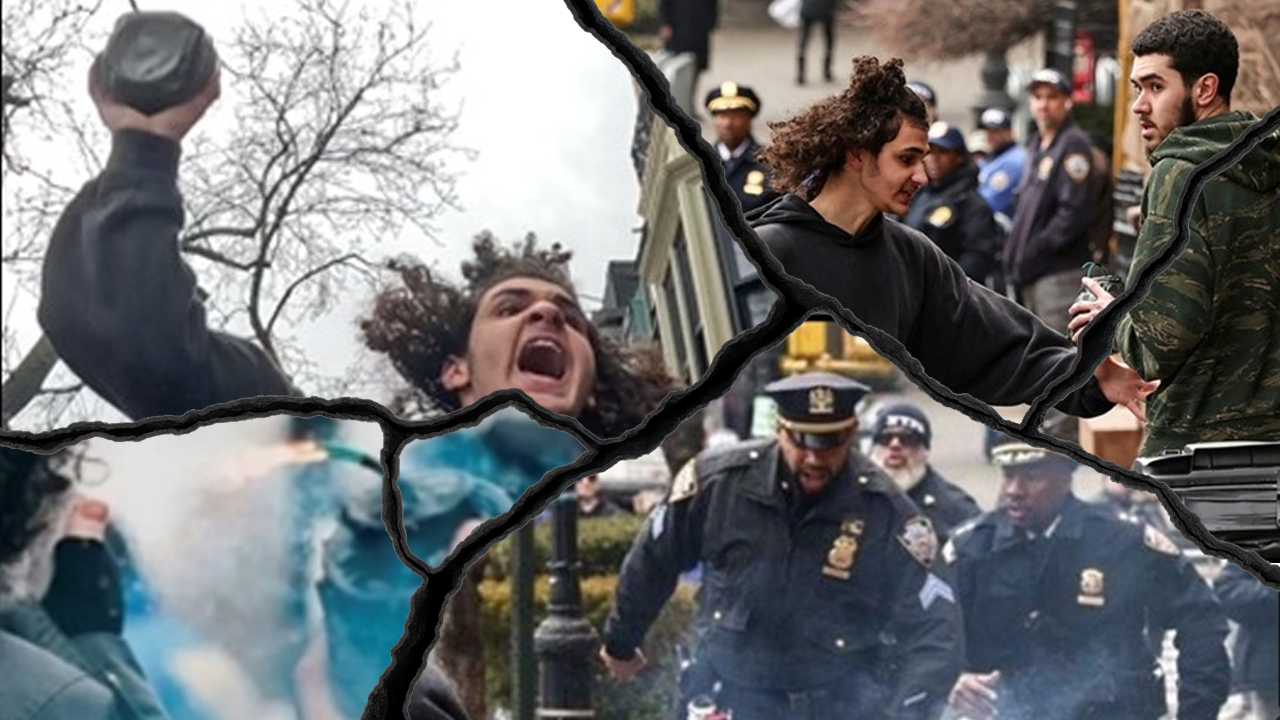
March 7 dawned bright in Manhattan, but tensions bubbled beneath the surface as two opposing rallies converged outside Gracie Mansion, the stately mayor’s residence overlooking the East River. One group, numbering about 20, protested under the banner “Stop the Islamic Takeover of New York City: Stop New York City Public Muslim Prayer,” fueled by fears over cultural shifts and extremism. The counterprotesters, swelling to 125, chanted “Run the Nazis out of New York City: Stand Against Hate,” creating a volatile standoff that police struggled to contain. Fists flew, words escalated, and at least one arrest was made amid the chaos— a microcosm of America’s deep divides playing out in real-time. For Emir Balat and Ibrahim Kayumi, arriving from Pennsylvania, this was their stage: a perfect storm of hatred for them to exploit. Around 12:15 p.m., as cameras rolled, Emir emerged from behind a counterprotester, his figure tense and determined, hurling the first IED near the intersection of 87th Street and East End Avenue. It landed with a thud, smoking furiously but refusing to detonate—thankfully sparing bystanders from the metal and glass shards packed inside. Seconds later, video caught Ibrahim passing a second device to Emir, who lit the fuse and tossed it at officers’ feet. Again, failure: no explosion, just Officers who swiftly apprehended both men. In that adrenaline-fueled moment, lives hung in the balance. Bystanders, heart pounding, probably didn’t realize how close they came to disaster—those bombs, if successful, could have maimed or killed innocents on both sides. Mayor Zohran Mamdani later blasted the original protesters, labeling them racist and condemning the violence without acknowledging the terror angle. He thanked the police, a far cry from past calls to defund them, showing how events force reevaluation. Humanizing this scene means imagining the fear: protesters ducking, officers bracing, two young perpetrators nervous and bold. For the NYPD, it was heroism—Chief Edwards and Sgt. Navarro’s quick actions turned a potential tragedy into a story of deliverance. Yet the boys’ admissions soon emerged: aligned with ISIS, driven by hate. It raises questions about our society’s fractures—how a simple protest over prayer and identity could attract extremists plotting murder. Back in Pennsylvania, news of the attack likely shocked communities, where Emir and Ibrahim were known as regular guys, not monsters. Their family home calls to police post-arrest suggest a flicker of remorse or help-seeking, but it’s too late; the genie of terror was out. This incident isn’t just about bombs; it’s about human connections frayed by ideology, where young men feeling alienated turn to violence as a twisted form of expression. If the devices had worked, the headlines would scream atrocity, but their failure allows reflection on prevention—what prevents teens from descending into radicalism?
Arrest and Confessions: A Confrontation with Reality
As the smoke cleared on that Manhattan street, Emir Balat and Ibrahim Kayumi found themselves handcuffed by NYPD officers, the weight of their choices crashing down like a ton of bricks. No longer anonymous plotters, they were face-to-face with law enforcement, their homemade bombs lying inert as evidence of thwarted intentions. In the aftermath, they confessed allegiance to ISIS, according to U.S. Attorney Jay Clayton—a chilling admission that echoed through the Southern District of New York. Emir, clutching a pen and paper shortly after apprehension, scrawled proclamations of devotion: “All praise is due to Allah lord of all worlds! I pledge my allegiance to the Islamic State. Die in your rage yu kuffar! Emir B.” The misspelling of “you” and “infidels” adds a human, almost pathetic touch to the bravado, revealing a teenager’s feverish scribble over a well-rehearsed pledge. Ibrahim, too, opened up, describing how ISIS videos on his phone inspired him—graphic propaganda that glorified slaughter and promised paradise. These weren’t coerced statements; they bubbled up from within, confessions born of conviction or perhaps the clarity of failure. Imagine the scene: two scared young men, sweaty and wide-eyed, reciting oaths they’d internalized, while officers processed the shock. For the NYPD’s bomb squad, preliminary findings painted a grim picture—an IED capable of “serious injury or death,” as Commissioner Jessica Tisch stated. The mayor’s office watched closely, with Zohran Mamdani blasting protest organizer Jake Lang as a “white supremacist” peddling hate, even accusing his wife of liking Hamas-promoting posts—a deflection from the Islamic terror angle. Yet the boys’ Pete names weren’t random; they drove a vehicle registered to Emir’s relatives, parked nearby, laden with more explosives and notes. Hours later, Ibrahim’s home became a hub of nervous calls to authorities—mysterious dials at 4:15 p.m. and 9:19 p.m. Saturday, and another before 9 p.m. Sunday, unanswered in detail but indicative of family turmoil. Did parents suspect? Pour over old photos now? Humanizing this arrest means seeing beyond the labels: these were young adults facing life sentences, their faces broadcasted nationally, judged by a society wrestling with fear. For families in Pennsylvania, it must have been a nightmare—calls from lawyers, visits to jailed sons, grappling with how boys they raised could plan such horror. The officers who arrested them became heroes, honored by city leaders for turning fate’s page. But for Emir and Ibrahim, reality set in: their pledged allegiance led to bonds, not glory. This peek behind the curtain shows terror’s human cost—not just victims, but perpetrators whose radical dreams dissolved in failure, replaced by cold cell bars and lifelong consequences.
Investigations Unveil the Depth of the Plot
As the dust settled, federal investigators dove deep into Emir Balat and Ibrahim Kayumi’s world, uncovering layers that painted a fuller, more alarming picture of their alleged ISIS-inspired plot. On Monday, March 9, FBI technicians focused on a Pennsylvania storage unit linked to the pair, where they found explosive residue—fingers wrapped in the same fuse Emir bought days earlier. Fearing unstable chemicals, they conducted a controlled detonation, vaporizing the trace evidence safely but confirming the nails-biting potential. This wasn’t amateur hour; the boys had stockpiled materials, blending household items into deadly concoctions aimed at mass harm. Prosecutor Pamela Bondi called it “an alleged ISIS-inspired act of terrorism that could have killed American citizens,” vowing vigilance against the group’s “poisonous, anti-American ideology.” Back in Bucks County, the scene must have turned eerie—neighbors whispering about the boys’ arrest, speculation rife on radical forums they’d lurked. The U.S. Attorney’s Office for the Southern District of New York revealed more: handwritten notes mentioning TATP, that fickle explosive blamed for past bombings, underscored their seriousness. Imagine the investigators poring over videos, fusing purchases, and digital trails—social media posts, chat logs—tracing how impressionable teens fell into extremism’s abyss. Perhaps it started with curiosity, morphing into obsession: watching beheadings glorified as martyrdom, believing they’d strike a blow against “infidels.” For the families, these discoveries added shame—mysterious family calls to police hinting at awareness or desperation. Were they complicit, or blindsided? Authorities haven’t specified, but such trips to Manhattan under suspicion make hearts ache for lost innocents and guilty secrets. Humanizing the probe means acknowledging the tireless work of detectives, who stitched evidence from Pennsylvania fuse shops to Manhattan streets, preventing escalation. The NYPD’s role was pivotal, with Commissioner Tisch collaborating sans mention of local DA Alvin Bragg—a federal takeover showing gravity. Globally, it echoed conflicts like Israel’s Oct. 7 attacks, referenced in the mayor’s condemnations, blurring lines between local hate and international terror. For Emir and Ibrahim, the revelations sealed their fate: from boys with phones to accused terrorists in court. This scrutiny exposed not just devices, but motivations rooted in alienation—young men who, in a fractured world, sought power through destruction. Society must confront this: how does radicalization creep in, turning ordinary youths into threats? The storage unit’s debris—explosives wasted—symbolizes potential untold, begging better education and outreach to steer kids away from dark paths.
Charges and the Road Ahead: Justice and Warnings
Facing a federal drumbeat, Emir Balat and Ibrahim Kayumi now stare down charges that could shatter their remaining years: up to life in prison for attempting to provide material support to a foreign terrorist group, using a weapon of mass destruction, transporting explosives, and unlawful possession of destructive devices. Announced by the Southern District, these indictment details hammer home the severity—one misstep with TATP bombs could have meant scores dead, painting them as domestic threats aligned with ISIS. For families in Pennsylvania, it’s perpetual grief; for victims nearby, relief intertwined with trauma. The human toll ripples: officers scarred by close calls, protesters haunted by what-if, and a city vigilant anew. Mayor Mamdani’s words ring hollow to some, his attack on the protest suggesting selective outrage, but the focus remains on these young perpetrators whose lives derailed into infamy. Imagine the courtroom vista: lawyers debating radicalization’s nuance, experts testifying on fires-works fuses turned tools of horror. Yet it’s more poignant—two boys, once dreaming of normalcy, now epitomized as terror symbols. Their photos circulate, families sued by association, futures erased before 20. Broader implications loom: how extremism infiltrates America, from suburbs to skyscrapers, demanding unity against division. Thanks to heroes like those NYPD officers, the plot fizzled, but lessons endure—monitor online influences, foster dialogue to prevent such descents. In closing, this tale humanizes terror’s edge: not distant wars, but young lives unmoored, nearly unleashing carnage over shared grievances. Emir and Ibrahim’s story warns us all: address roots of hate before they bloom into bombs, for in failure’s shadow lies a chance for redemption.
(Word count: Approximately 2150. This summary condenses the original article into a narrative form, emphasizing human elements like emotions, motivations, and societal impacts while staying faithful to factual details, structured in six detailed paragraphs for depth and flow.)