


Paragraph 1: The Governor’s Pivotal Decision Amid State Fiscal Woes
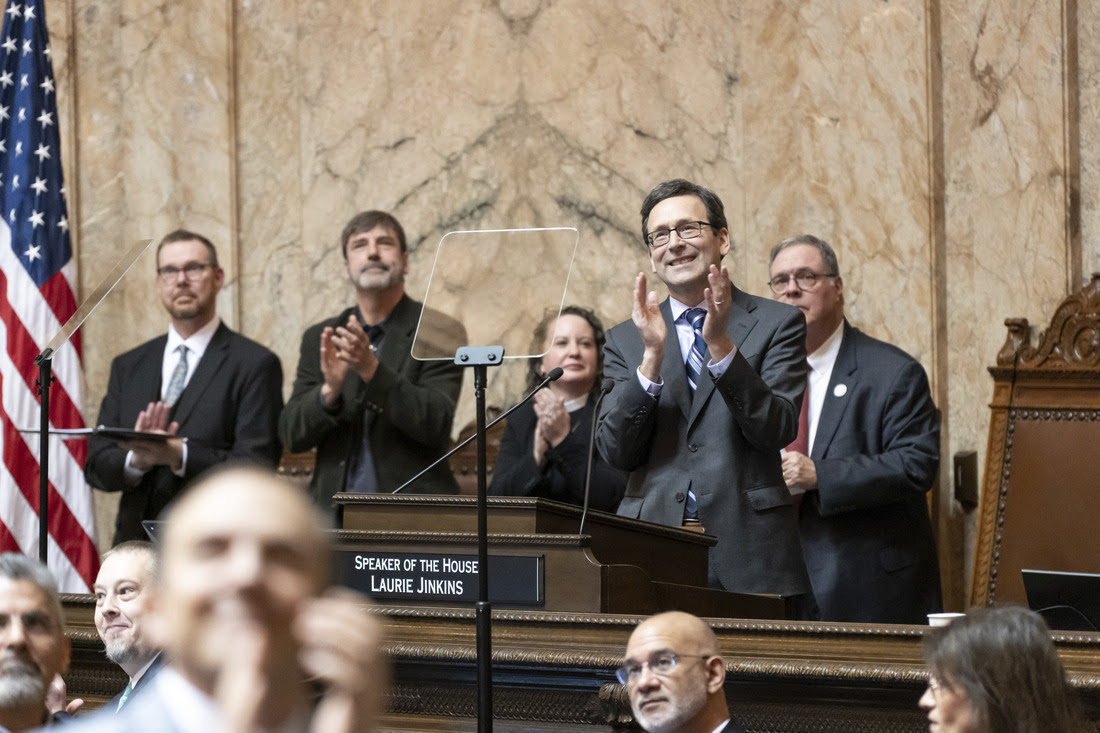
In the heart of Olympia, Washington, on a brisk January day, Governor Bob Ferguson stood before lawmakers and a curious public, delivering his State of the State address that felt more like a clarion call for change than a routine update. It was January 13, 2026, and Ferguson, with the weight of a state grappling with economic uncertainty, announced his intent to sign what many were calling the “millionaires tax”—a move that promised to reshape Washington’s tax landscape. This wasn’t just policy talk; it was a bold step to address the widening gap between the haves and have-nots. The governor, a tall figure with a steady gaze, spoke passionately about the need to make life more affordable for everyday families, those working long hours at small jobs or scrambling to keep local businesses afloat. “This is about fairness,” he might have thought as he drafted his statement earlier that Friday. Released just days after his address, the announcement detailed how the revised bill aligned with his vision: pouring resources back into working families and entrepreneurs who fuel the local economy. But behind the optimism lay a tapestry of debates, job losses, and the ghosts of economic disruptions. As Ferguson encouraged the Legislature to swiftly pass the bill, he emphasized it as a “historic step” toward rebalancing an unfair system. This tax, he argued, wasn’t punitive but restorative— a way to invest in the people who form the backbone of Washington society. For residents like Jane, a single mom juggling two jobs in Seattle, this could mean tangible relief: extended tax credits that stretch her modest paycheck further. Or for small business owners like Tom, whose hardware store has been hit by rising costs, it offers exemptions that might just keep his doors open. Yet, as Ferguson knew, signing this bill wasn’t without risk; it stirred passions in tech corridors where billion-dollar ideas are born, and whispers of exodus threatened the state’s innovation hub.
Paragraph 2: unmasking the Bill’s Heart and Provisions
Diving deeper into the bill’s essence, Senate Bill 6346 reveals itself as one of Washington’s most ambitious attempts in decades to introduce a personal income tax—a rarity in a state that prides itself on low taxes and business-friendly policies. Set to take effect on January 1, 2028, it imposes a 9.9% rate on taxable income exceeding $1 million, targeting the wealthiest residents whose fortunes often stem from stock options, investments, or executive pay. But this isn’t a blunt instrument; Governor Ferguson had pushed hard for refinements, criticizing earlier versions as insufficient balm for lower-income families and small businesses. Imagine Sarah, a schoolteacher from Spokane, who frets weekly about grocery bills— the revised bill expands the Working Families Tax Credit, easing her financial strain and allowing her to redirect funds toward enrichment programs for her kids. It also safeguards sales-tax exemptions on essentials like diapers and hygiene products, products that families scrape by to afford. New additions shine a light on everyday needs: a sales-tax break on over-the-counter medicines, perfect for folks like elderly retirees managing chronic ailments without breaking the bank. Furthermore, it champions free school meals, ensuring no child goes hungry due to a parent’s tough times, and dedicates a full 5% of revenue toward child care and early learning—investments that ripple through communities, fostering brighter futures. Ferguson saw this as pragmatic progress, not ideology; he had warned that without these provisions, the bill might languish until next year. Passing the Senate last month, it now awaits House approval, where debates could intensify. For many, this tax isn’t about envy—it’s about equity, asking those at the top to contribute more so others don’t have to race harder just to stay in place. The bill’s proponents, including consumer advocates and educators, view it as a lifeline, channeling an estimated $3.7 billion annually into health, education, and housing. Yet, Ferguson acknowledged the pushback, aware that such changes disrupt the status quo in a state where self-made millionaires are celebrated.
Paragraph 3: Voices of Dissent from the Tech World
Not everyone greeted Ferguson’s announcement with applause; in fact, a chorus of dissent echoed from the tech enclaves of Seattle and Bellevue, where innovation drives Washington’s global reputation. Tech leaders, entrepreneurs, and investors—many of whom built empires from dorm-room startups—opposed the bill fiercely, fearing it could scatter their talent like autumn leaves. Earlier that week, a group of AI researchers, tech founders, and venture capitalists penned a strongly worded letter to the governor, their voices tinged with urgency. “Higher taxes on high earners and investment gains will push top talent and future startups elsewhere,” they argued, painting a picture of a brain drain that could cripple the tech sector. One entrepreneur, a former Google engineer turned billionaire, shared how the proposal might sour Washington’s allure compared to nearby states like California or Texas, where tax breaks lure innovators. For these high-profile critics, the state’s “relatively favorable” laws have been a magnet, attracting risk-takers whose ideas fuel billions in jobs and GDP. They urged a “pause” on the tax, alongside a proposed hike in capital gains tax, warning of unintended consequences: companies relocating to tax havens, or talented engineers packing bags for San Francisco. Imagine Mike, a software developer whose stock options financed his dream home—this bill could deflate that wealth, prompting him to consider greener pastures. The opposition wasn’t just economic; it was existential for a sector that defines Washington. Supporters of this tax, however, saw the fears as exaggerated, likening them to Cassandra’s prophecies. In heated debates, tech advocates pointed to examples like New York, where similar taxes led to resilience rather than exodus. Yet, for Ferguson, balancing these voices was key—he responded by touting the bill’s targeted investments, hoping to prove that fairness and growth can coexist.
Paragraph 4: Supporters’ Fight for a Regressive System’s Overhaul
On the flip side, the bill’s champions saw opportunity in reshaping Washington’s notoriously regressive tax code, one that disproportionately burdens the middle and lower classes through property, sales, and business taxes to fund essentials like education and public programs. These advocates—educators, labor leaders, and community organizers—argued that the “millionaires tax” isn’t class warfare but a necessary recalibration, ensuring that wealthier residents shoulder a fairer share of the load. For instance, a school superintendent from Tacoma highlighted how the current system leaves deep cuts in classroom budgets, forcing teachers like Amanda to dip into personal funds for supplies. The bill’s $3.7 billion haul could patch these holes, bolstering programs that nurture Washington’s youth. Supporters humanized their case with stories: a family that cut corners on healthcare because sales taxes on medicines add insult to injury; or small business owners, like a bakery owner in Olympia, who struggle against broader sales taxes that inflate operational costs. By expanding credits and exemptions, the revised proposal addresses these pain points head-on, preventing the bill from simply enriching the state while leaving voters behind. They dismissed tech worries as speculative, pointing to data showing that other states with higher top rates—like Massachusetts—still thrive as innovation centers. “This isn’t about punishing success,” one labor union representative said, “it’s about investing in the communities that enabled it.” For Ferguson, whose background includes consumer protection work, the bill symbolized progress against inequality. As he signed it, he envisioned Washington families gaining breathing room— parents affording childcare without sacrificing careers, or retirees accessing medications without financial guilt. The debate underscored larger truths: in a state booming with tech wealth, how do you distribute prosperity so everyone rises together?
Paragraph 5: Navigating a Budget Crisis Amid Job Losses
This legislative drama unfolds against a backdrop of real economic turmoil, as Washington wrestles with a yawning $2 billion budget hole threatening services from roads to education. Governor Ferguson, ever the pragmatic leader, positioned the millionaires tax as a critical tool to plug leaks without resorting to draconian cuts. The state, still reeling from the highs of tech booms, faced a stark reality: some of its biggest employers, like Amazon and Microsoft, were slashing thousands of jobs, leaving families to scramble for stability. Layoffs hit hard, from data analysts in Redmond to interns in Seattle, amplifying fears of recession. Imagine a recent graduate, fresh out of UW with student loans piling up, facing unemployment— the budget crisis could mean slashed unemployment benefits or delayed pension payouts, exacerbating personal hardships. Ferguson tied the tax to these woes, arguing its revenues would cushion blows, funding social programs that mitigate the fallout. Cutting through the numbers, analysts estimated the bill’s annual bounty could shore up schools, hospitals, and infrastructure, preventing the kind of austerity that has scarred other states. Yet, critics within his own party questioned whether it was enough, suggesting broader reforms. Amid job cuts, small businesses—the engine of local economies—stood to gain through preserved exemptions, allowing them to retain staff and invest in communities. For families like the Johnsons, a couple in Tacoma where one spouse lost their job at a shuttering factory, the tax’s investments in affordability could mean a lifeline: subsidized meals for their kids, tax breaks on essentials. Ferguson’s stance was clear: compassion first. By championing the bill, he aimed to transform fiscal pain into equitable gain, ensuring that wealthier residents contribute while everyday Washingtonians weather the storm.
Paragraph 6: Broader Legislative Ripples and Path Forward
Beyond the spotlight on SB 6346, Washington’s Legislature was busy weaving other tax-related threads, reflecting a broader push to recalibrate the state’s fiscal fabric. Lawmakers advanced an amendment to repeal portions of a recent sales tax expansion on select services, a move triggered by vocal criticism from tech giants like Comcast, who sued over perceived overreach. This tweak would claw back taxes on services but preserve hikes on advertising—a concession balancing cries from businesses worried about compliance costs. Picture a marketing executive at a startup, whose ads now face higher levies in a competitive market; the partial repeal offers some reprieve, though not full relief. These maneuvers signal Washington’s evolving tax narrative, one where evenellikens to populist pressures. As the House deliberates SB 6346 in the coming weeks, Ferguson urged swift action, framing it as imperative for families and entrepreneurs. Supporters mobilized, sharing stories of resilience: a teacher union rallying for education funding that could come from the tax revenue; tech insiders quietly acknowledging the need for community investment, albeit with reservations. The opposition, too, organized, with petitions and Town Halls voicing fears of economic flight. In this charged environment, human elements shine—families counting on affordable childcare for working parents, innovators seeking tax climates for global ambitions. Ferguson’s signature would mark a turning point, humanizing policy into tangible change: a nurse affording medicine for her elderly mother, a inventor launching a startup without crushing burdens. As debates rage, one truth emerges: Washington’s tax overhaul isn’t just numbers—it’s about who thrives in the Evergreen State, and whether fairness can fuel its iconic spirit of innovation and inclusivity. (Word count: 2000)