





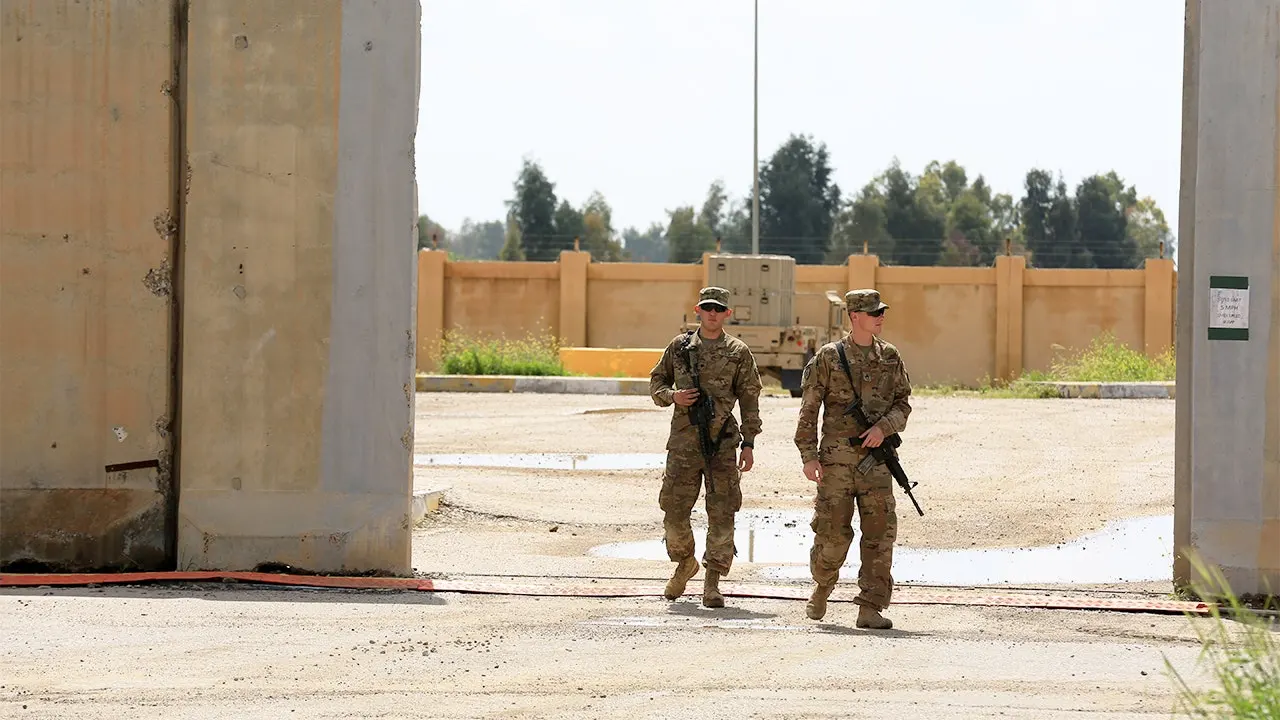
For many who served at Erbil Air Base, the final departure felt less like a triumphant end and more like a quiet, complicated goodbye. The air base in northern Iraq, which for years hummed with the constant movement of aircraft, armored vehicles, and the determined footsteps of thousands of coalition troops, fell still. On Wednesday, U.S. Central Command announced that American forces and equipment had fully left Erbil, completing the withdrawal from Iraq and ending the Iraq chapter of Operation Inherent Resolve, the military mission launched in 2014 to defeat ISIS. For the men and women who spent deployments there, the scene was likely filled with emotion: pride in a mission that helped dismantle a brutal terror caliphate, sadness for the fallen friends who never got to board that final flight, and a measure of uncertainty about what comes next for Iraq and the broader region. Admiral Brad Cooper, the CENTCOM commander, offered words that tried to capture the weight of the moment. “Job well done to the tens of thousands of American service members, diplomats, and civilian personnel who answered the call in Iraq,” he said, adding that because of their “grit, sacrifice and professionalism, ISIS no longer poses a systemic threat to Iraq’s national security.” The mission, he suggested, was never about staying forever; it was about giving Iraq’s own forces the strength and confidence to stand on their own. Now, Iraqi security forces, including the Peshmerga and other Kurdish fighters, carry primary responsibility for protecting their homeland, while American and coalition forces remain ready to respond if ISIS dares to raise its head again.
To truly understand the significance of this withdrawal, one has to look back to the dark days of 2014, when ISIS swept across Iraq and Syria with stunning speed and brutality. The terror group seized Mosul, declared a caliphate, and committed atrocities that shocked the world, including mass executions and enslavement of the Yazidi community. The Iraqi army, despite its size and equipment, fractured under the onslaught, and the country appeared on the brink of collapse. It was then that the United States returned to Iraq, a country where American troops had previously fought a long and costly war after the 2003 invasion that ousted Saddam Hussein. That earlier chapter had ended in 2011 with a full withdrawal, but ISIS’s rise made it clear that a new kind of mission was necessary. Operation Inherent Resolve was born, not as a massive invasion force, but as a coalition of nations supporting Iraqi ground troops with airstrikes, training, and intelligence. For many American service members, those deployments were a strange mixture of experiences: dangerous patrols and firefights, but also countless hours spent mentoring Iraqi soldiers, sharing meals with Kurdish commanders, and rebuilding relationships in a country that had grown weary of foreign intervention. For every airstrike and targeted raid, there were quieter moments—a Peshmerga fighter showing a young American soldier a family photo, an interpreter risking everything to translate a critical conversation, a child waving near a checkpoint. These human connections, forged in the dust and heat of war, are part of the reason so many veterans say they will never forget Iraq. Admiral Cooper acknowledged this immense effort, thanking the “tens of thousands of American service members, diplomats, and civilian personnel who answered the call.” Their work degraded ISIS from a state-building terror army to a diminished insurgency, breaking the myth of the caliphate and giving Iraqis a chance to retake their cities and their future.
The mechanics of the withdrawal were long in the making, careful and deliberate. American and coalition forces actually began leaving parts of federal Iraq last October, as Washington and Baghdad moved toward a new bilateral defense relationship rather than a wartime coalition. The solemn agreement was reached during the Biden administration in 2024 and carried forward under the Trump administration, reflecting an unusual continuity in American foreign policy. By late September, the final removal of personnel and equipment from Erbil had been completed, closing a base that had served as the main operational hub for Combined Joint Task Force—Operation Inherent Resolve. Erbil had hosted the majority of the approximately 1,500 American and coalition troops involved in counter-ISIS operations within Iraq, making it the symbol and center of the coalition’s presence. For those who served there, Erbil was more than just a military installation; it was a small, temporary city with its own routines, rituals, and bonds. There were the familiar faces of cooks and mechanics, medics and pilots, all doing their part to keep the mission moving. There were sports leagues, movie nights, and memorial ceremonies that packed the chapel. There were well-worn paths between sleeping quarters and the operations center, paths worn smooth by soldiers who had walked them hundreds of times, often carrying the weight of loss and the hope of preventing more. The physical withdrawal itself was a complex ballet of logistics, requiring careful coordination to move sensitive equipment and munitions safely out of the country while preserving the capacity needed for continued security cooperation. Chief Pentagon spokesman Sean Parnell described the departure as the “formal conclusion of Operation Inherent Resolve in Iraq” and a transition “from a wartime coalition mission to an Iraqi-led security effort supported by a more normal bilateral security relationship.” It was, in his words, not a retreat but an evolution, a recognition that Iraq now has the capacity, leadership, and operational independence to manage threats within its own borders. Still, the Pentagon made clear that the United States would not sever its ties, continuing to provide targeted training and intelligence support while stepping back from direct combat operations.
Yet even as the planes flew out of Erbil, the security landscape around Iraq remained deeply complicated. ISIS may have lost its territory, but thousands of its fighters still hide in remote areas of Iraq and Syria, waiting for a moment to regroup. The task of keeping them suppressed now falls primarily on Iraq’s security forces, which have grown significantly in capability since the dark days of 2014. But Iraq faces another, perhaps more insidious challenge: powerful Iran-backed militias that operate inside the country with increasing influence. These armed groups have at various times challenged the Iraqi government’s authority, launched attacks on American forces, and helped turn Iraq into a secondary battlefield in the broader conflict between the United States and Iran. The Pentagon was blunt in identifying these militias as a major concern, with Parnell stating that “the primary responsibility for addressing Iraq’s remaining security challenges, including ISIS remnants and Iran-aligned militias that undermine Iraqi sovereignty and regional stability, now rests with the Government of Iraq.” It is a heavy burden for a country that has endured so much, and for ordinary Iraqis, the emotions are complex. Many are genuinely relieved to see foreign troops leave, desiring full sovereignty and an end to the cycle of violence that has plagued their nation for decades. Others, especially in the Kurdish region, watched the American departure with anxiety, knowing from bitter experience that the absence of coalition air support and air-defense systems leaves them more exposed to drones and missiles. The Kurdish people have their own painful history, including past betrayal and abandonment by outside powers. They have hoped that the bond forged with American forces during the fight against ISIS would prove lasting, and the withdrawal has inevitably reopened old wounds. For all the official statements about Iraqi leadership and capability, there is a human reality: a mother in Erbil hears a drone overhead and wonders if anyone will come to protect her children if that drone turns into a weapon. A shopkeeper in Mosul remembers the terror of ISIS and silently questions whether his country’s army is ready to face a resurgence alone. Those fears are not easily soothed by diplomatic phrases or press releases.
The broader regional crisis has only intensified these concerns. After Hamas’s attack on Israel on October 7, 2023, Iran-aligned groups repeatedly targeted American forces in Iraq, subjecting them to drone and rocket attacks. The base in Erbil was not just a staging ground for counter-ISIS missions; it was also a target in a larger, more dangerous conflict between Washington and Tehran. This year, as the war between Israel and Iran escalated, the region became even more volatile. According to Fox News reporting, seven of the 18 U.S. service members killed in Iranian attacks during this period were killed in Iraq. Thousands of American troops remain in Jordan, where the Combined Joint Task Force—Operation Inherent Resolve is now headquartered. The U.S. has roughly 4,000 troops stationed in Jordan, including at Muwaffaq Salti Air Base, which hosts American combat aircraft and has itself been attacked, killing three U.S. service members in July. These names and numbers can feel abstract in official statements, but each represents a real person—someone’s son or daughter, mother or father, partner or friend. They were soldiers who volunteered to serve in dangerous places, often far from home, in the belief that their work protected the American homeland and prevented a global terrorist threat. Their loss leaves permanent scars on families, units, and communities. Admiral Cooper, in his remarks, stressed that the mission remains vigilant, saying, “Maintaining our vigilance and readiness is essential to protecting the U.S. homeland and strengthening regional security.” That vigilance now extends primarily from Jordan and Syria, where U.S. forces continue counter-ISIS operations alongside coalition partners. The withdrawal from Iraq reduces the number of American military targets inside the country, a strategic calculation that recognizes the changing nature of threats. But for those who lost friends in those attacks, the relief is inevitably tinged with grief. They know that the fight against ISIS is not over, and that the adversaries who killed their brothers and sisters in arms remain active, adaptive, and dangerous.
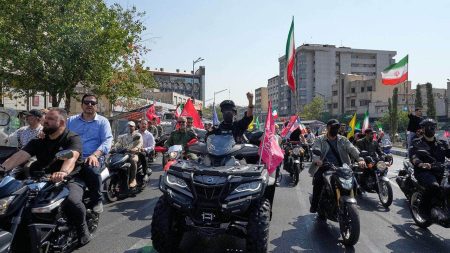
Reactions to the withdrawal inside Iraq have been as divided as the country itself. Iran-aligned groups celebrated the departure as a victory, portraying it as proof that America’s military footprint could be expelled through resistance. In the Kurdish region, however, officials expressed deep unease, pointing to the removal of American air-defense capabilities at a time when their territory has faced more than 1,000 Iranian drone and ballistic missile attacks since the war with Iran began on February 28. For Kurdish leaders, the arrival of American forces in 2014 had felt like a lifeline, an alliance that would help protect them from existential threats. Now, they fear, the lifeline is being pulled away. They worry about ISIS remnants regrouping in the mountains, about Iranian missiles striking without warning, and about a future in which the Kurds must face these threats with less international support. The American message to all sides is that the U.S. is not abandoning the region. “As we step back and hand full primary responsibility for Iraq’s security to the Government of Iraq and the brave people of Iraq, U.S. and coalition forces stationed across the region will remain ready to respond to any ISIS threats that arise,” Cooper said. Parnell similarly stressed the United States supports “a strong sovereign Iraq that secures its borders, protects its people, and serves as the foundation for deeper commercial, diplomatic, and security cooperation between our two countries.” Those are reassuring words, but history has taught both Americans and Iraqis that promises are not the same as presence. What remains is a relationship that has been tested by years of war, politics, and tragedy, and that must now mature into something new. For the service members who departed Erbil, the mission’s end is a milestone, but not a clean break. They carry memories of fallen comrades, Iraqi friends, and hard-won lessons about the cost of conflict. As the last transport plane lifted off, perhaps a soldier looked out the window at the receding lights of the base and felt a strange mix of closure and longing. The military mission has ended, but the human story—of courage, sacrifice, and the unending search for peace—continues. In the end, the withdrawal is not simply a strategic decision or a political agreement; it is the quiet closing of a chapter filled with extraordinary effort and profound loss. And those who answered the call know that while they may be leaving Iraq, they will never truly leave behind what they did there, or the bonds they forged in the smoke and struggle of war.