


In the shimmering, heavy heat of the Persian Gulf and the narrow, high-stakes trade corridor of the Strait of Hormuz, peace is never a passive state; it is an active, demanding vigilance maintained day and night by thousands of young men and women ocean miles away from home. High above these contested waters, a sophisticated MQ-1 scout drone glides silently on international patrol, serving as the critical eyes and security shield for a global coalition committed to keeping vital trade lanes open and secure. This unmanned sentinel, though devoid of a human crew in the cockpit, represents the collective safety net for thousands of merchant mariners and naval personnel operating in the waters below. Its presence is operated and monitored by dedicated technicians and analysts who watch its feed from carrier decks and remote operations centers, establishing a deep human connection to the mission of peacekeeping. However, the delicate quiet of the sky was violently punctured when Iranian air defense forces launched a missile, knocking the American drone from its flight path and plunging its live video feed into sudden darkness over international waters. In a heartbeat, the routine hum of surveillance in tactical centers evaporated, replaced by the sharp, electric tension of an international crisis that threatened to completely unravel a hard-won, incredibly fragile regional ceasefire. The physical loss of the aircraft was not merely a loss of high-tech military hardware; it was a direct, dangerous challenge to international law and a psychological provocation that demanded a profound, unified human response. For the command teams watching their monitors turn to static, it was a stark and sobering reminder that the boundary between peace and active conflict in this volatile region is often as thin as a single radar signature on an operator’s screen, highlighting the constant psychological strain felt by those tasked with keeping watch.
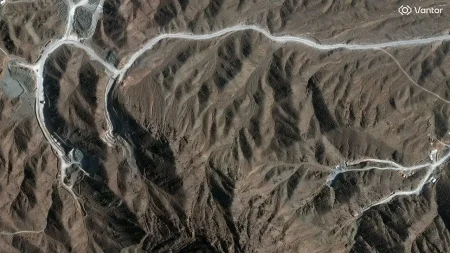
The monumental responsibility of deciding how to respond to this blatant act of aggression fell squarely on the shoulders of the leadership at U.S. Central Command, where commanders carry the heavy ethical burden of balancing regional deterrence against the catastrophic risk of escalating into a wider war. Every tactical decision made in these high-pressure war rooms carries immense human consequences, as military planners and intelligence officers painstakingly analyze satellite imagery, threat vectors, weather patterns, and civilian locations in real time. Rather than launching a swift, emotional reaction that could spark a cycle of uncontrollable escalation, CENTCOM crafted a highly deliberate, measured strategy designed to neutralize the active threat while clearly communicating an unwavering message of resolve. Over several intense hours of planning, military leaders prioritized specific, high-value tactical nodes—primarily Iranian radar installations and drone command-and-control headquarters located in Goruk and on Qeshm Island, strategically situated along the coastline. These locations are not just coordinates on a briefing map; they are the literal nerve centers from which hostile forces coordinate state-sponsored harassment and gather targeting data against international maritime transit and coalition ships. By focusing exclusively on these operational hubs, CENTCOM took a strategic path intended to surgically dismantle the adversary’s capacity to strike again, demonstrating a calculated restraint that prioritized the safety of regional waters while deliberately avoiding the kind of indiscriminate destruction that could easily ignite a broader, uncontrollable regional conflict that would put millions of innocent lives at risk.
As Saturday night bled into Sunday morning, the theoretical strategies debated in command rooms transformed into a visceral, heart-pounding reality for the U.S. fighter aircraft crews tasked with executing the defensive strikes. Clad in heavy flight gear, their breathing regulated by oxygen masks and their faces illuminated only by the faint green glow of cockpit instrument panels, these aviators launched into the dark sky, carrying the immense physical and emotional burden of their nation’s foreign policy on their wings. Flying into hostile territory, where active surface-to-air missile systems are hunting for any sign of intrusion, requires a rare, razor-sharp focus where personal fear must be systematically compartmentalized in favor of split-second technical execution. As they neared the coast of Iran, the pilots engaged their targets with lethal precision, systematically neutralizing the very air defenses designed to bring them down, along with a critical drone ground control station operating near the water. The roar of the jet engines and the blinding flashes of precision-guided munitions lighting up the night sky over Goruk and Qeshm Island were a testament to the extraordinary skill and discipline of these crews, who operated under the constant threat of anti-aircraft fire. For these men and women in the air, the mission was not about dry geopolitical chess; it was a deeply personal struggle to execute their orders perfectly, protect their wingmen, and ensure that they could all return safely to their aircraft carriers and forward bases, where their comrades anxiously awaited their return.
At the heart of CENTCOM’s decision to execute these self-defense strikes was the urgent humanitarian need to neutralize a highly dangerous and modern asymmetric threat: one-way attack drones. Often referred to as “kamikaze” drones, these unmanned aerial vehicles are specifically designed to crash directly into vessels, causing devastating explosions, massive structural damage, and tragic civilian casualties. In recent years, these cheap yet highly lethal systems have become the weapon of choice for regional actors seeking to terrorize international shipping lanes, disrupt global shipping, and destabilize the global economy. For the ordinary civilian crews navigating massive container ships and oil tankers through these narrow straits—merchant mariners who log thousands of miles away from their families and loved ones—the threat of these silent, flying bombs is a source of constant, exhausting anxiety. By hunting down and destroying two of these live, one-way attack drones before they could be launched, coalition forces directly protected these vulnerable maritime travelers who keep the world’s goods moving. This tactical action highlights the profound human dimension of the mission, proving that the military’s role extends far beyond crucial defense; it is about safeguarding the daily, peaceful lives of ordinary, hard-working people who rely on secure waterways to perform their jobs without the constant fear of sudden, violent death at sea.
When the strike aircraft finally emerged from the hostile airspace and made their safe descent back onto the arresting wires of carrier decks and regional airstrips, a profound, collective wave of relief washed over everyone involved, from the flight-line mechanics to the highest echelons of the Pentagon. In the military, there is no greater strategic or emotional victory than the phrase “no American service members were harmed,” a sentiment that transcends operational success and touches the very core of our shared humanity. Behind every pilot in the air, there is a sprawling, anxious network of parents, spouses, and children who wait in breathless silence for any news of their loved ones’ safety during such high-risk deployments. For the mission commanders, the absolute safety of their personnel is the ultimate measure of success, far outweighing the physical destruction of enemy radar systems or drone facilities. As the pilots stepped down from their cockpits into the cool night air, greeting their ground crews with weary but proud smiles and firm handshakes, the immediate danger subsided, leaving behind a stark reminder of the human cost that is constantly risked to maintain global stability. This successful and casualty-free outcome was a testament to the rigorous training, unmatched professionalism, and deep operational care that defines the modern American military apparatus in times of intense international crisis, where lives are saved through careful planning and flawless execution.
While the immediate threat has been successfully neutralized, the ongoing ceasefire in the region remains incredibly fragile, requiring continuous, clear-eyed vigilance and an unwavering commitment to defending international law. CENTCOM’s decisive actions over the weekend serve as a powerful reminder that an agreement to halt hostilities is not a license for unchecked gray-zone aggression or the quiet harassment of international assets. The United States’ determination to protect its interests and regional allies during this delicate period reflects a broader, enduring hope for a lasting peace, one that is built on mutual respect and the free flow of commerce rather than intimidation, proxy warfare, and violence. As U.S. forces continue to patrol these contested skies and seas, their daily presence stands as a vital bulwark against instability, reassuring a nervous global community that the path of peace will be vigorously defended. Ultimately, the story of this weekend’s strikes is not just one of military dominance, but of the human dedication required to stand firm against intimidation, reminding us that the preservation of global freedom and security is a perpetual, active endeavor carried out by ordinary people performing extraordinary duties in the face of constant peril, hoping that one day such vigils will no longer be necessary.