


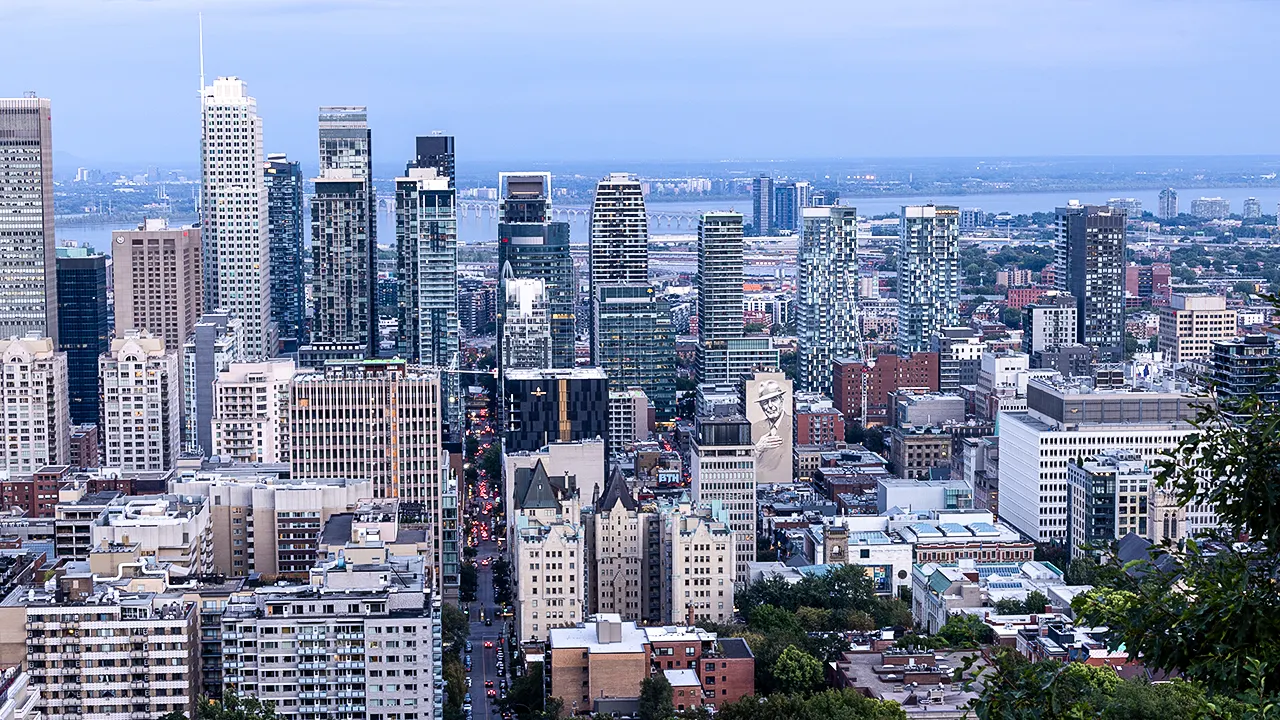
Côte-des-Neiges is historically celebrated as one of Montreal’s most diverse, vibrant, and deeply welcoming neighborhoods—a place where people from countless different cultures walk side-by-side, creating a rich civic tapestry. On a routine Monday afternoon, this peaceful urban sanctuary was violently shattered by a sudden, terrifying eruption of gunfire that transformed a familiar, comforting landscape into a scene of absolute chaos and tragedy. The air, which had been filled with the normal, gentle sounds of rustling autumn leaves, passing traffic, and lighthearted conversation, was suddenly ripped apart by the shocking sound of multiple gunshots. For the residents who call this close-knit borough home, the sudden intrusion of lethal violence was a surreal and horrifying nightmare that shattered their collective sense of security in an instant. This tranquil sector of Montreal is a place where families go to escape the stress of daily life, making the sudden presence of an active shooter all the more jarring and devastating. The immediate psychological shift from ordinary safety to mortal peril left bystanders frozen in disbelief before their basic survival instincts took over. As the echoes of the shots faded, they were immediately replaced by the rising wail of emergency sirens, a haunting sound that signaled to the entire neighborhood that their lives had just been irrevocably altered. In a world where news of public violence is too often viewed through a detached lens, this localized tragedy brought the raw, agonizing reality of gun violence directly to the doorsteps of everyday citizens, leaving them to grapple with the deep-seated fear that their safe haven had been compromised. The sudden, violent disruption of peace in such a beloved neighborhood serves as a stark, heartbreaking reminder of how quickly safety can be stolen away, leaving behind a profound collective trauma.
At the agonizing center of this unfolding tragedy is the devastating loss of a dedicated police officer who made the ultimate sacrifice while trying to protect his community, alongside a female colleague who is currently fighting for her life in critical condition. When the panicked calls for help first came through the dispatch system, these two officers did not hesitate; they ran directly toward the source of danger, selflessly placing their own bodies between an armed killer and the vulnerable public. The physical loss of the male officer is not merely a digit in a crime database or a brief headline on a news feed; it is an irreplaceable, devastating void in the lives of his family, his friends, and his fellow officers. He was a human being who chose a career of service, knowing the risks but driven by a desire to keep others safe, and his life was senselessly and violently cut short in the line of duty. Meanwhile, his female partner remains in a hospital, clinging to survival as specialized medical teams work around the clock to save her, while her terrified family endures an unimaginable, agonizing wait by her bedside. The grief radiating from the Montreal Police Service (SPVM) is heavy and tangible, a profound sorrow shared by officers who must continue to patrol the streets and protect the public while mourning their fallen brother and praying desperately for their sister’s recovery. This heartbreaking event exposes the raw, authentic human cost of policing, reminding us of the incredible courage required to wear a badge. Every single day, first responders say goodbye to their families and step into the unknown, a routine that carries the silent, heavy possibility of a final, tragic farewell, leaving their loved ones to bear the lifelong burden of their sacrifice.
The sheer terror of that afternoon was captured in vivid, deeply moving personal accounts by local residents who found themselves unexpectedly caught in the middle of a deadly crisis. Brandon Elkaim, a resident who lives close to where the gunfire erupted, described the visceral shock of hearing what he soon realized were ten or twelve successive gunshots echoing outside his window. Following the initial barrage of gunfire, a heavy, suffocating silence fell over the area for about ten minutes, a tense interlude during which the community’s natural instincts for survival took over with urgent intensity. Elkaim watched in utter disbelief and sorrow as a nearby community park, which only moments earlier had been alive with the joyful laughter of young children and the relaxed chatter of parents, emptied out in a sudden, frantic wave of panic. Mothers and fathers frantically scooped up their toddlers, running blindly to escape the unseen danger, their faces etched with the raw, unmistakable terror of a parent trying to shield their child from gunfire. Shortly after the shooting began, the local government broadcasted a chilling, urgent shelter-in-place alert to cell phones throughout the entire district, warning that an armed and dangerous suspect was active in the vicinity. The stark, mechanical text on the screen—instructing residents to lock their doors, stay away from windows, and remain indoors—contrasted sharply with the racing heartbeats of families huddled in darkened rooms, listening to the relentless sweep of police helicopters and police sirens outside. The emotional toll of being locked inside one’s own home, waiting in fear while an armed threat moves through your neighborhood, leaves a deep and lasting psychological scar on everyone involved.
In the painful, confusing hours that followed the shooting, Montreal Mayor Soraya Martinez Ferrada stepped forward to offer a voice of comfort, leadership, and shared grief to a city struggling to comprehend the violence. Expressing her deepest, most sincere condolences to the family, loved ones, and colleagues of the deceased officer, the mayor spoke not just as an administrator, but as a grieving fellow citizen sharing in a collective local tragedy. She emphasized that the thoughts and support of the entire city were wrapped around everyone affected, while also pleading with the public to maintain calm and strictly follow the safety protocols issued by the SPVM. This civic response highlighted the broader, complex conversation surrounding gun violence in major Canadian metropolitan areas, which have historically prided themselves on being safe, peaceful alternatives to many global cities. When violence of this devastating magnitude strikes a community like Côte-des-Neiges, it shakes the foundations of public trust, forcing both leaders and citizens to confront difficult questions about systemic safety, mental health, and the rising tide of gun violence. The mayor’s public statements reflected a delicate balance: the administrative need to project strength and restore public order, combined with a deep, authentic empathy for the victims and their grieving families. Leading a community through the trauma of a mass casualty event or the loss of a police officer requires immense emotional intelligence, as civic leaders strive to honor the dead, support the wounded, and begin the difficult process of rebuilding a sense of safety and unity among citizens who feel suddenly vulnerable.
The active crisis finally reached its physical conclusion when tactical officers confronted and “neutralized” the gunman, bringing a highly volatile and life-threatening standoff to an end, but leaving behind a landscape of ruin and sorrow. While the official term “neutralized” carries a cold, clinical efficiency in police reports, the actual reality on the ground was a scene of intense, terrifying violence as officers worked under extreme pressure to locate and stop a deadly threat. As the gunman was neutralized, the immediate danger to the residents of Côte-des-Neiges subsided, allowing authorities to lift the emergency shelter-in-place order, though the air remained thick with tension, flashing police lights, and the heavy presence of yellow crime tape. Emergency medical technicians, forensic investigators, and police cruisers flooded the neighborhood, turning streets that had been peaceful hours before into an active, sprawling investigation zone. Investigators worked diligently to piece together the sequence of events, searching for answers about the suspect’s identity, his motives, and the origins of the weapons used in the assault, while a shocked public waited for any piece of information that might explain the senseless tragedy. Even in the absence of immediate answers, the physical state of the crime scene spoke volumes about the violence of the encounter, with scattered bullet casings and damaged property serving as silent testaments to the brief but deadly battle that had occurred. The rapid, courageous intervention of the SPVM tactical teams undoubtedly prevented further loss of life, but the steep price of that defense was written in the blood of their colleagues, marking a dark day in Montreal’s history.
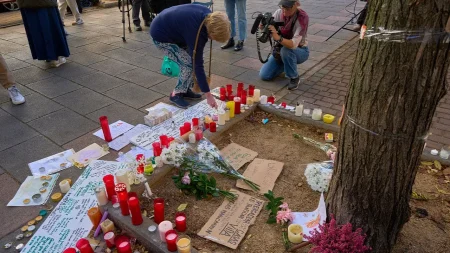
As the immediate chaos fades and the physical remnants of the crime scene are slowly cleared away, the long, incredibly painful journey toward emotional healing and community resilience begins for Montreal. The deep psychological scars left by such sudden, senseless violence do not fade easily; they will linger in the quiet parks where parents will now look around with caution, in the empty hallways of the police precinct, and in the quiet homes of families whose lives were forever altered in a single afternoon. Yet, even in the shadow of such immense darkness, the enduring strength of the human spirit emerges as neighbors offer comfort to one another, and messages of profound solidarity pour in from communities across the country. This tragedy serves as a solemn, powerful reminder of the fragile peace that holds our society together and the heavy debt of gratitude owed to those who guard that peace with their lives every day. The fallen officer’s legacy will not be defined by the violent manner of his death, but by the honor, courage, and selflessness with which he lived his life and served his city. As his wounded colleague continues her courageous fight for survival in the hospital, the thoughts, hopes, and prayers of a unified city remain with her, hoping that healing is possible. By remembering the victims, supporting the survivors, and standing together against fear, the people of Montreal begin the slow process of reclaiming their neighborhood, proving that the light of community and love will always outclear the darkness of violence.